
Home

Main navigation

  • Explore the collection
    • Search the collection: RecordSearch
      • What's in the collection
      • Defence and war service records
      • First Australians
      • Immigration and citizenship
      • Cabinet
      • Intelligence and security
      • Prime ministers
      • Search for people
      • Visit our other websites
      • #ArchivesAtHome
      • Stories from the archives
  • Help with your research
      • Getting started
      • What's in the collection
      • Using the collection
      • International movement records
      • Research centres
      • Research guides
      • Research grants and scholarships
      • Research agents
      • Ask us about the collection
  • Students and teachers
      • Classroom resources
      • School visits
      • Teacher e-newsletter
      • Student research portal
      • Competitions and special programs
  • Information management
      • Getting started
      • Building trust in the public record
      • Ask for advice
      • Information governance
      • Build data interoperability
      • Check-up survey
      • Legislation
      • Manage information assets
      • GAIN Australia
      • Standards
      • Metadata
      • Federal election 2025
      • Records authorities
      • Learning and skills
  • Visit us
      • Events and exhibitions
      • Research centres
      • Our locations
      • Cafe Constitution
      • Venue hire
      • Contact us
  • About us
      • What we do
      • Support us
      • Employment
      • Who we are
      • Partnerships
      • Volunteer
      • Our services
      • Members
      • Media and publications
      • Contact us
  • Toggle search
  • Toggle menu

Offscreen Menu

Menu

MAIN MENU

  • Explore the collection
    • What's in the collection
    • Defence and war service records
    • First Australians
    • Immigration and citizenship
    • Cabinet
    • Intelligence and security
    • Prime ministers
    • Search for people
    • Visit our other websites
    • #ArchivesAtHome
    • Stories from the archives
  • Help with your research
    • Getting started
    • What's in the collection
    • Using the collection
    • International movement records
    • Research centres
    • Research guides
    • Research grants and scholarships
    • Research agents
    • Ask us about the collection
  • Students and teachers
    • Classroom resources
    • School visits
    • Teacher e-newsletter
    • Student research portal
    • Competitions and special programs
  • Information management
    • Getting started
    • Building trust in the public record
    • Ask for advice
    • Information governance
    • Build data interoperability
    • Check-up survey
    • Legislation
    • Manage information assets
    • GAIN Australia
    • Standards
    • Metadata
    • Federal election 2025
    • Records authorities
    • Learning and skills
  • Visit us
    • Events and exhibitions
    • Research centres
    • Our locations
    • Cafe Constitution
    • Venue hire
    • Contact us
  • About us
    • What we do
    • Support us
    • Employment
    • Who we are
    • Partnerships
    • Volunteer
    • Our services
    • Members
    • Media and publications
    • Contact us

Aboriginal and Torres Strait Islander people should be aware that the National Archives' website and collection contain the names, images and voices of people who have died.

Some records include terms and views that are not appropriate today. They reflect the period in which they were created and are not the views of the National Archives.

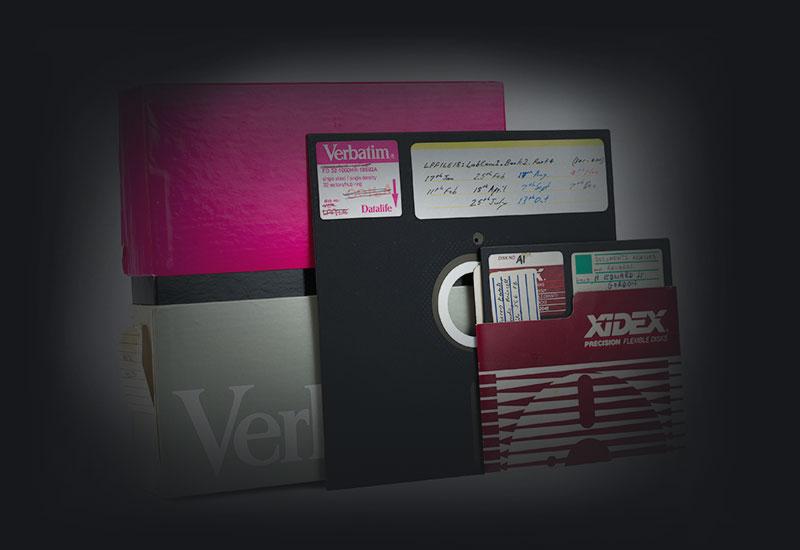
Magnetic disc cassette and 2 sizes of flexible disc.

Breadcrumb

  1. Home
  2. Explore the collection
  3. Search for people
  4. Researching your family
  5. Caring for your personal digital collection
  6. Risks to digital records

Risks to digital records

Digital records become inaccessible or destroyed if neglected.

Personal digital archiving is not just about saving files – it's about making sure they stay accessible in the future, as well as planning how new digital records will be created, stored, and preserved.

Common threats to digital records

Natural disasters and inappropriate conditions

Like physical records, digital records can be damaged through floods, fires, storms or human activity.

Natural disasters can damage or destroy the computers or drives that the digital records are stored on. This is why it is good to have more than one copy of the archive kept in different locations.
Cloud based storage is also vulnerable to natural disasters, as it is a physical digital server.

Inappropriate conditions are another danger for the storing of records. Extreme temperatures, humidity, pests or magnetic fields can cause digital records to become corrupted, or storage hardware to become damaged.

Human damage or theft

Human activity can result in the physical damage of the storage media through:

  • mishandling
  • theft
  • being misplaced.

Another type of human caused disaster might be a security breach or a virus. These can result in records being destroyed, stolen or corrupted.

Hardware and software obsolescence

Hardware and software become increasingly difficult to access over time. These access risks can take many forms.

  • The hardware technology used to store and access records may stop being widely available. Many computer systems no longer have CD or DVD drives, and it is increasingly difficult to find device readers for floppy disks.
  • File formats can become inaccessible over time. This can occur due to software updates which fail to support previous file formats. The Library of Congress maintains a list of recommended file formats.
  • Software no longer being accessible. Digital records need to be read using the right software in a compatible operating system. Some file formats, such as JPG, can be opened in multiple software programs. Other formats require specific software to render the file. Even when you have the right software, not all modern operating systems will support it.

Poor planning

As people create more digital records, a common problem is a lack of organisation and planning. Without good planning records are easily lost, damaged or unable to be opened. Much of this guide is about how to build good planning into how you keep your digital records.

Good planning includes:

  • considering what time, skills and resources you have
  • a consistent and repeatable plan
  • deciding who is responsible for doing what tasks,
  • what to do if the primary archivist dies i.e. a digital will
  • selecting only the most valuable records
  • cataloguing records so they can be easily found and opened
  • consistent and understandable naming
  • A consistent and understandable folder structure
  • updating software and storage
  • considering what software to use when creating records

Corruption

Corruption is when a file is altered or damaged, making it unusable. 

Digital records can become corrupted in a number of different ways, such as:

  • extreme temperature or magnetism affecting hardware,
  • malware and viruses,
  • copying errors,
  • file aging,
  • during copying or simply through age.

Without checking you may not know if your record has become corrupted. It is important to have backups of all files. Once a file becomes corrupted it can be very hard to repair, so it is easier to replace it with an uncorrupted copy.

The below images are copies of images from the National Archival collection that have been intentionally corrupted to show what can happen to image files.
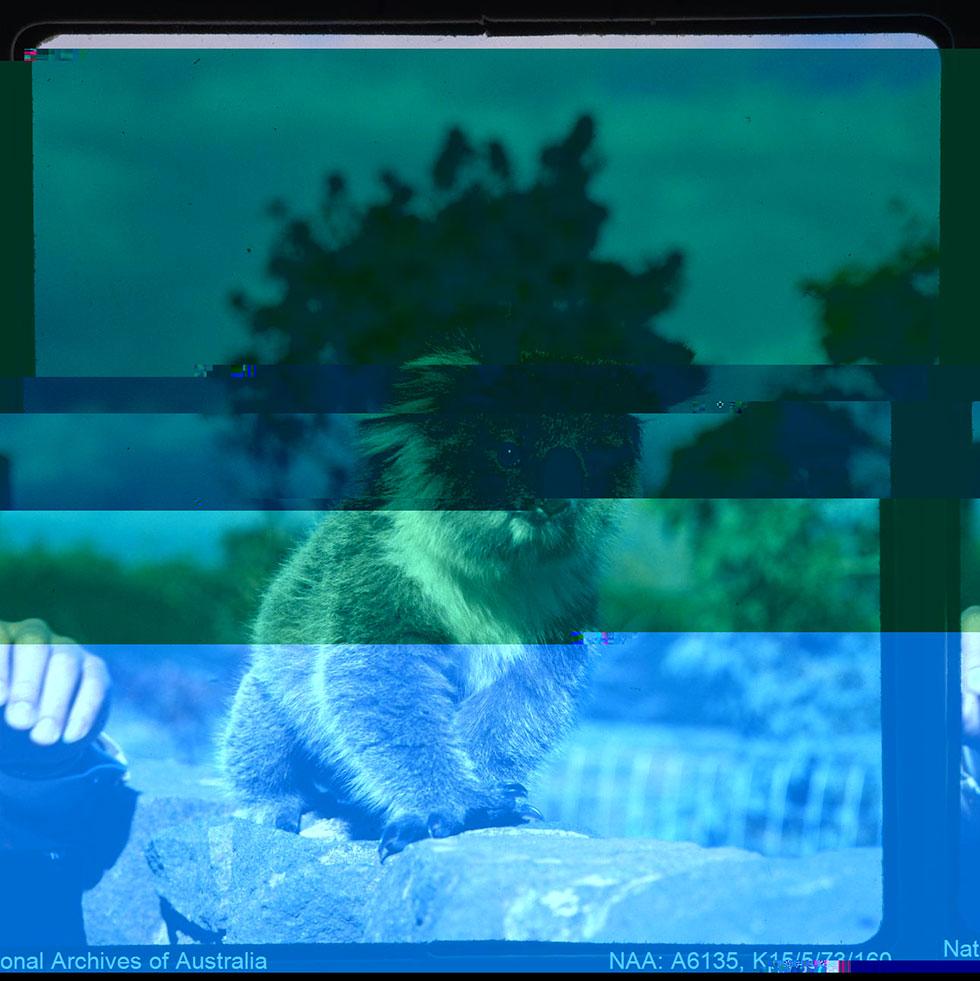
An example of a corrupted digital image.

Example of an image that has been intentionally corrupted.

In this section: Caring for your personal digital collection

  • Risks to digital records
  • Organising your digital archive
  • Describing your digital records
  • Storing your digital archive
  • Maintaining your digital archive
  • Accessing and creating digital records
  • Digital archiving case study

Acknowledgement of Country

National Archives of Australia acknowledges the Traditional Owners and Custodians of Country throughout Australia and acknowledges their continuing connection to land, sea and community. We pay our respects to the people, their cultures and Elders past, present and emerging.

Connect with us

  • Facebook Facebook
  • Instagram Instagram
  • X X
  • Linkedin LinkedIn
  • YouTube YouTube

Subscribe to our newsletter

Site map

  • Contact us

    • Contact form
  • For researchers

    • RecordSearch
    • What's in the collection
    • Using the collection
    • Ask us a question about our records
    • Getting started with your research
    • Research guides
    • Grants and scholarships
    • Our other websites
  • For government

    • Agency Service Centre
    • Check-up survey
    • Building trust in the public record policy
    • Getting started with information management
    • Information governance
    • Records authorities

    For students & teachers

    • School programs
    • Plan a school visit
    • Competitions and special programs
    • Learning resources
  • Shop

    • Browse our products

    Visit us

    • Events and exhibitions
    • Research centres
    • Our locations
    • Admission to the Archives is free
  • About us

    • What we do
    • Our organisation
    • Our services
    • Our history
    • Partnerships
    • Work for us
    • ABN: 36 889 228 992
National Archives of Australia
  • Privacy
  • Freedom of information
  • Copyright
  • Disclaimer
  • Accessibility
National Archives of Australia