
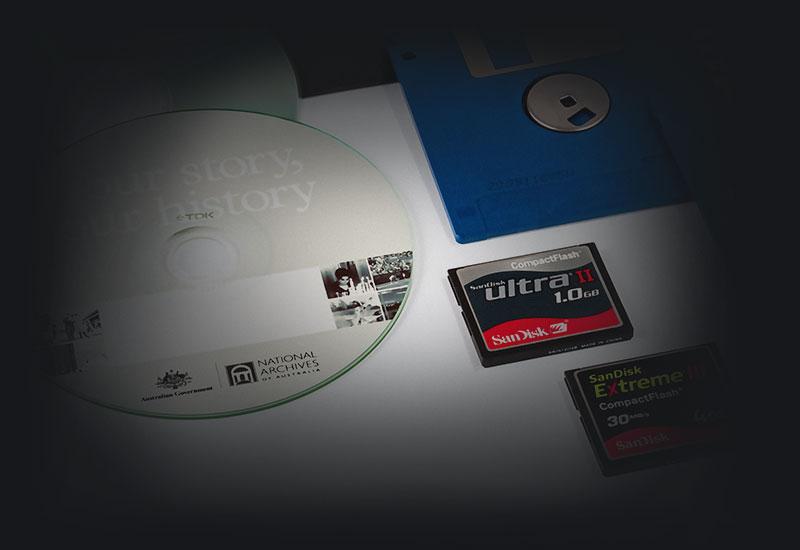
Some file formats are easier to open and look after than others. So, the first step in digital preservation is creating your files in formats that are widely used, supported, and preferably not locked down to one company. The Smithsonian Institution Archives suggests using open, standardised, and well-established formats, and gives a list of recommendations. The National Archives also has a list of formats that we recommend to government agencies on our Born-digital file format standards page.
It also helps that when you are creating your files and folders that you can give them meaningful and concise names. This will help later on when you have to sort through your files and folders and decide what are the most important ones to keep, and which can be disposed of.
When you need to share copies of files in your digital archive always make a copy and leave the original in the archive. That way the format and content of the original in the archive stays the same. For copies that you send out you may choose to change the format, such as converting a big .tiff picture file into a smaller .jpeg picture file so that it can be emailed easily. You should though keep the original file in your archive as the .tiff picture file if that is what it is.
Sometimes you may get information about a file. This might be about who the people are in a photo, or what a document is about. It can be very important to record this information for future people who might use it. In the Archives Index you might want a space to record this extra information.