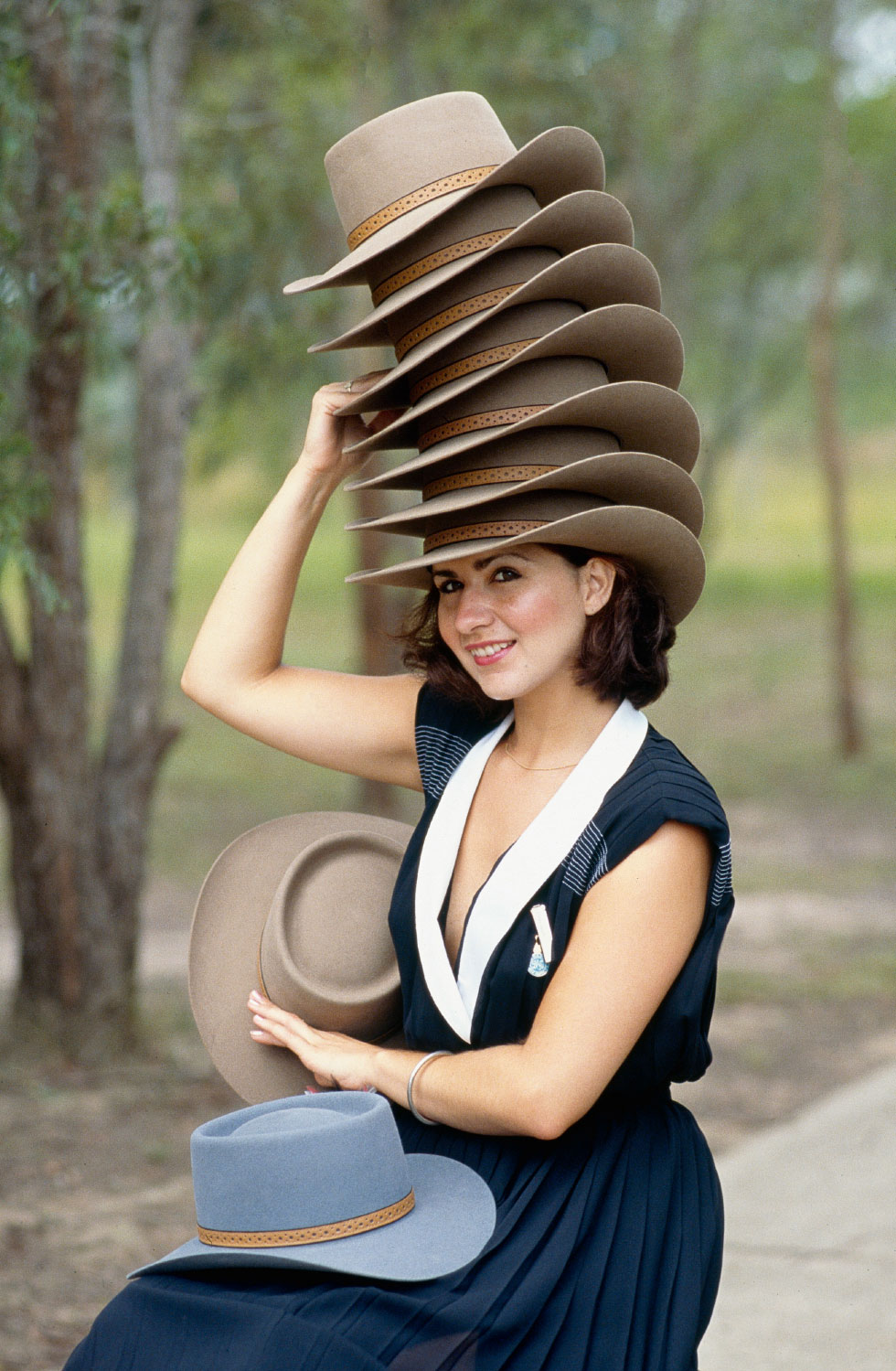
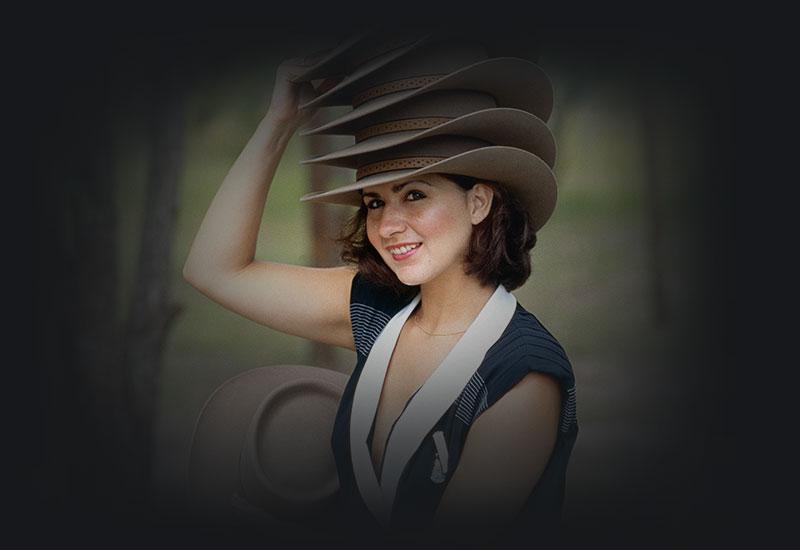
In 1876, Kensington Hat Mills was established in Tasmania by Benjamin Dunkerley. You may not be familiar with either of these names. But you will likely be familiar with this one: Akubra.
Birth of an icon
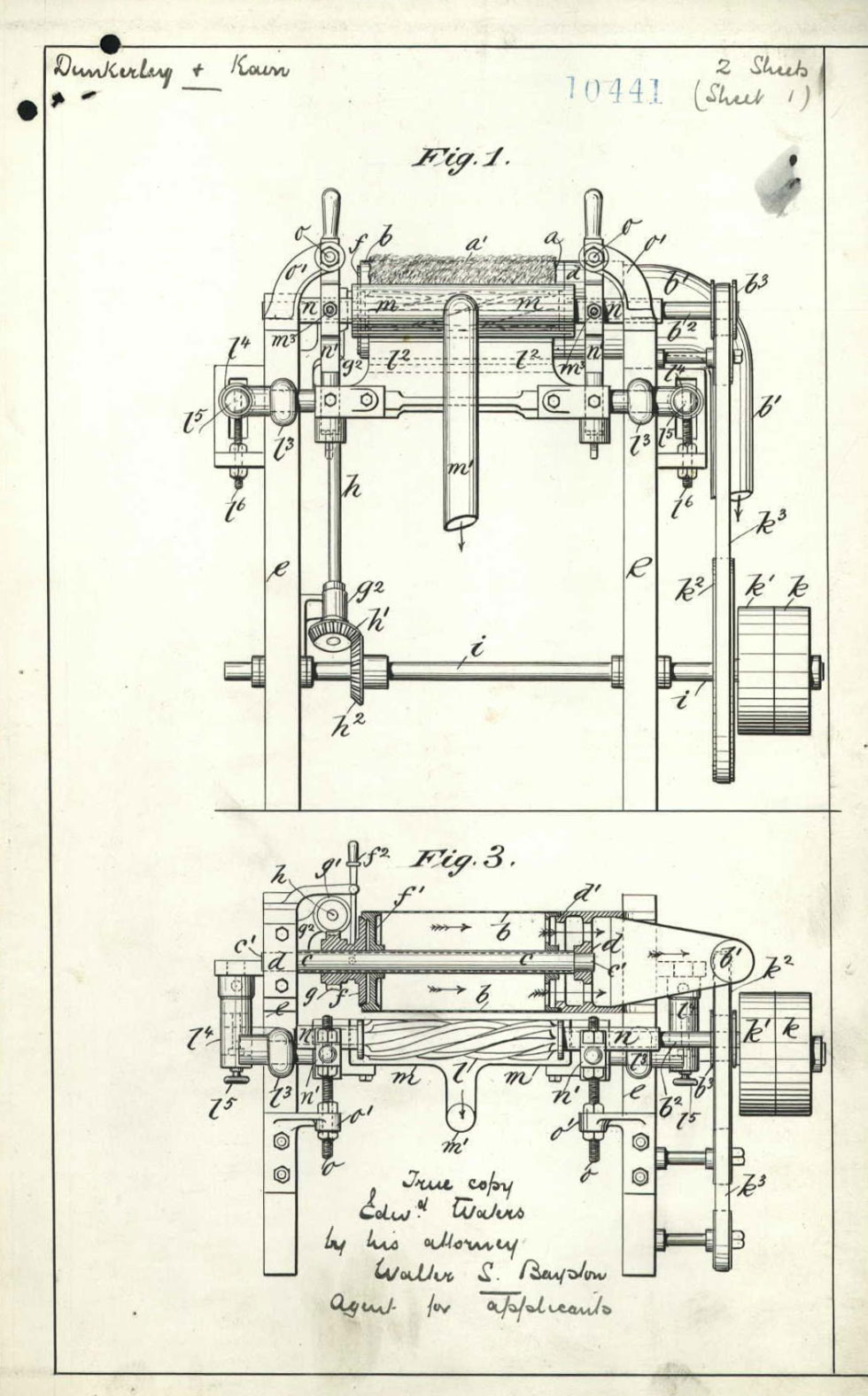
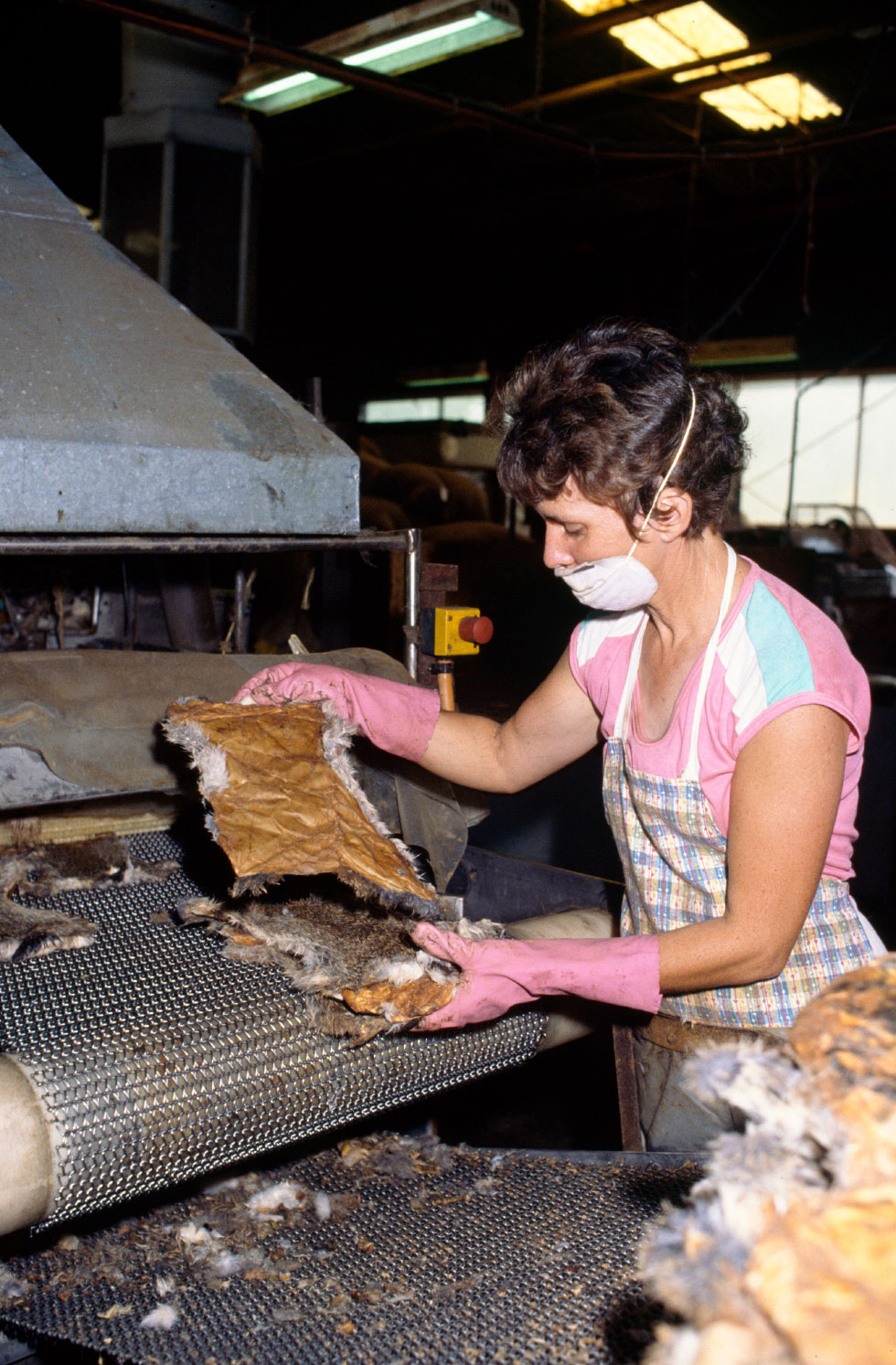
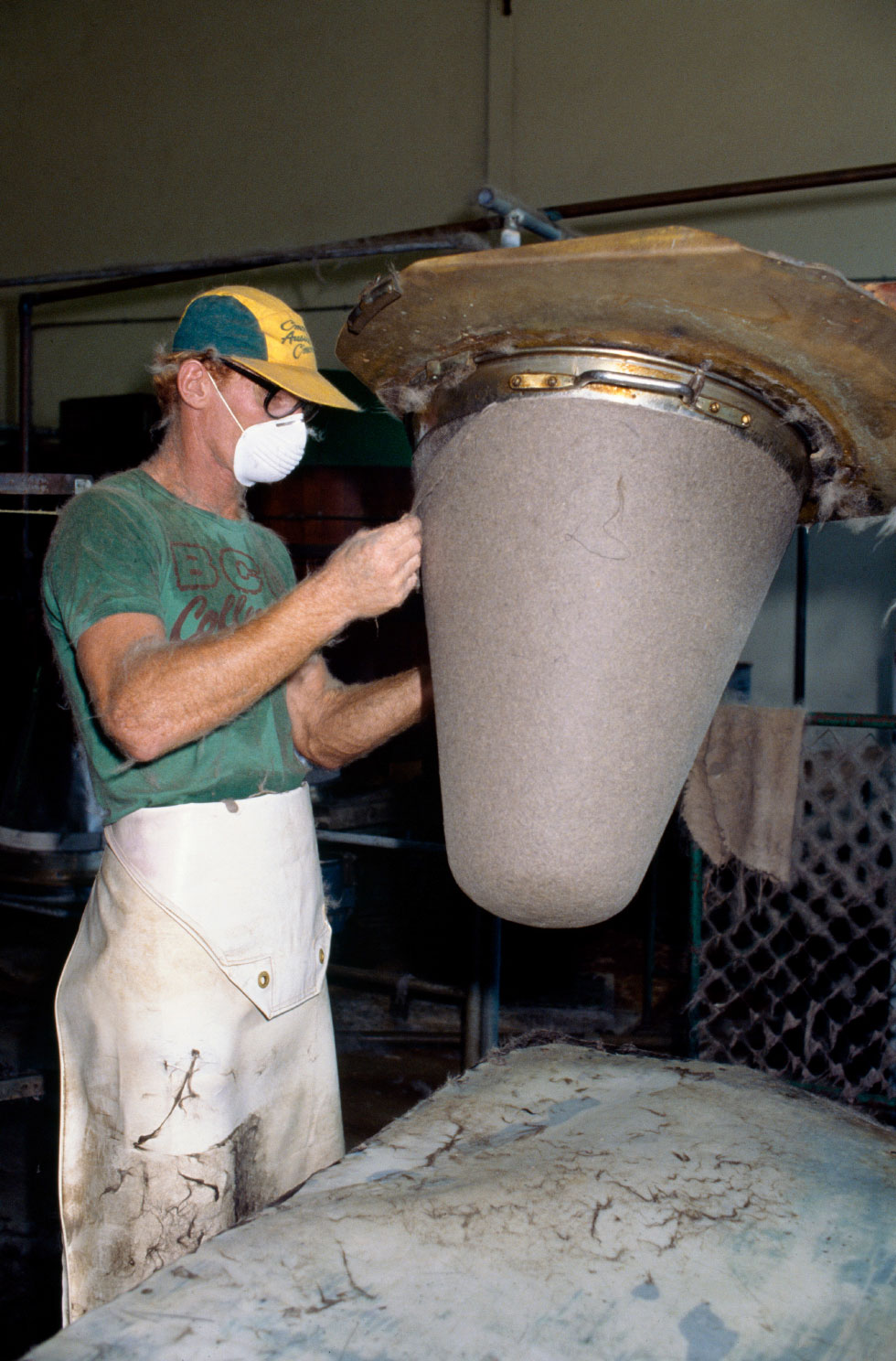
Benjamin Dunkerley was born in England in 1840, and was a skilled hatter. He established his Tasmanian business near Hobart in 1876 and, in 1892, invented a new machine for dressing fur for hats – that is, changing the raw animal pelt into a soft, preserved product. His invention mechanised what had been a manual process. Dunkerley continued to make many improvements to the hat-making process, as demonstrated by numerous patents in the national archival collection.
In 1900, Dunkerley moved his business to Sydney. Then, in 1904, English hatmaker Stephen Keir joined the company. Keir married Dunkerley's daughter Ava in 1905, and would ultimately take over the business in 1918, on Dunkerley's death.
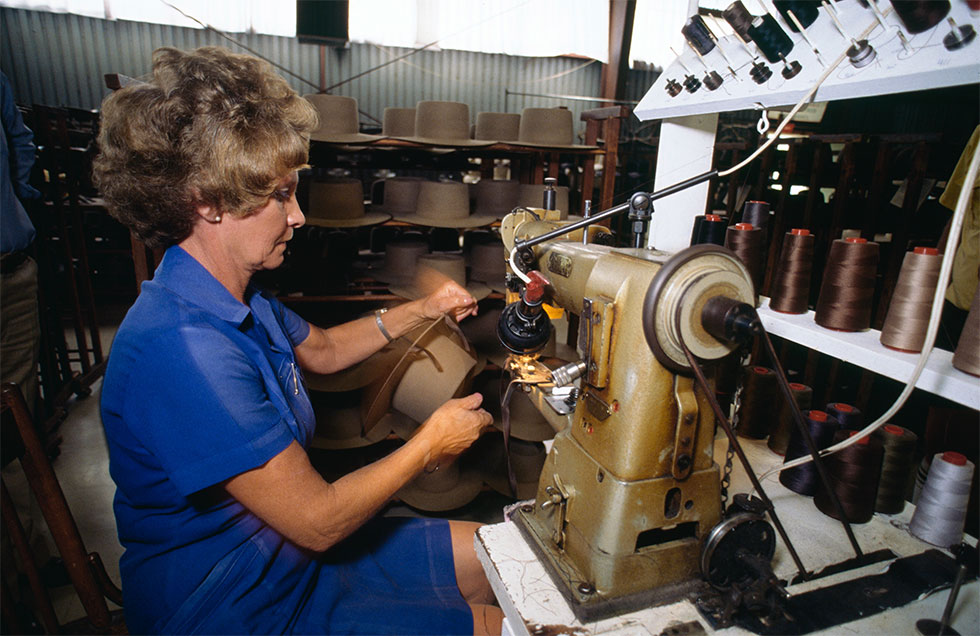
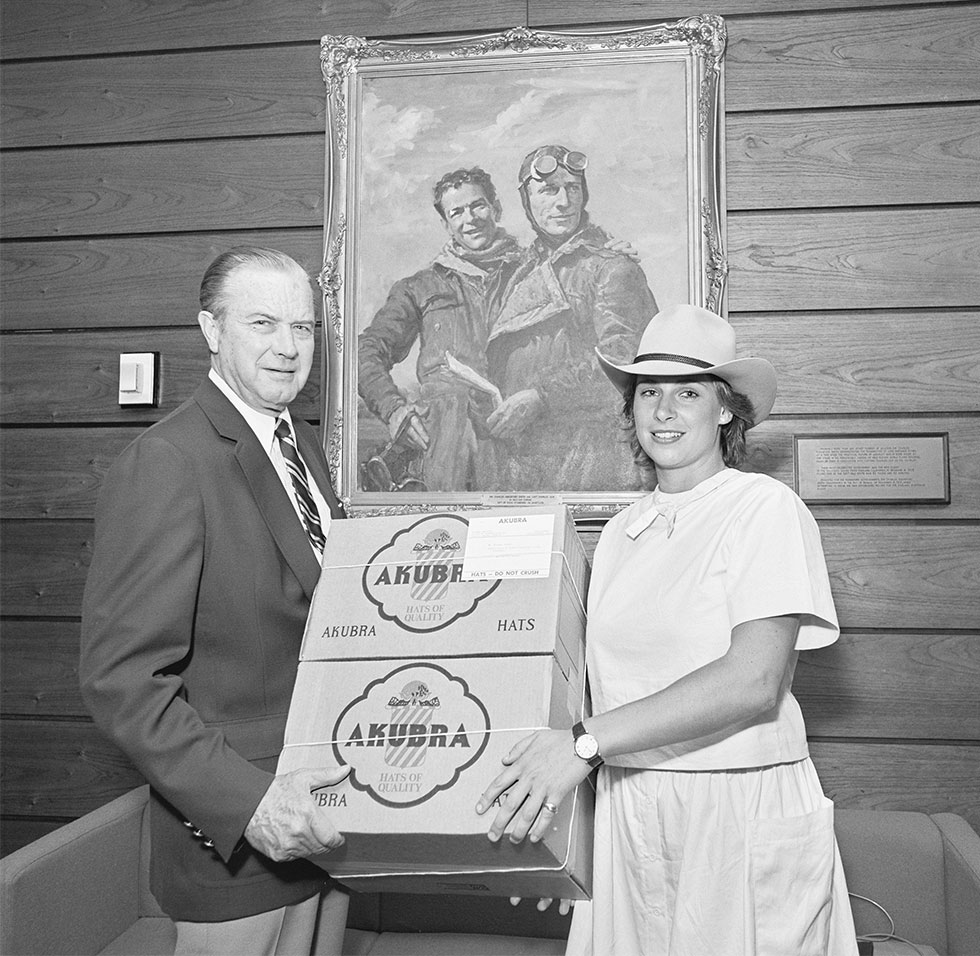
It wasn't until 1912 that the name Akubra was first registered. While there have been claims that the word is of Aboriginal origin, meaning 'head covering', there is no definitive evidence to substantiate this. Akubra's official company history states that the origin of the name is unknown. Whatever the origin, it certainly caught on. Akubra became widely known for its instantly recognisable bush hats, made from rabbit fur.
The brown slouch hat
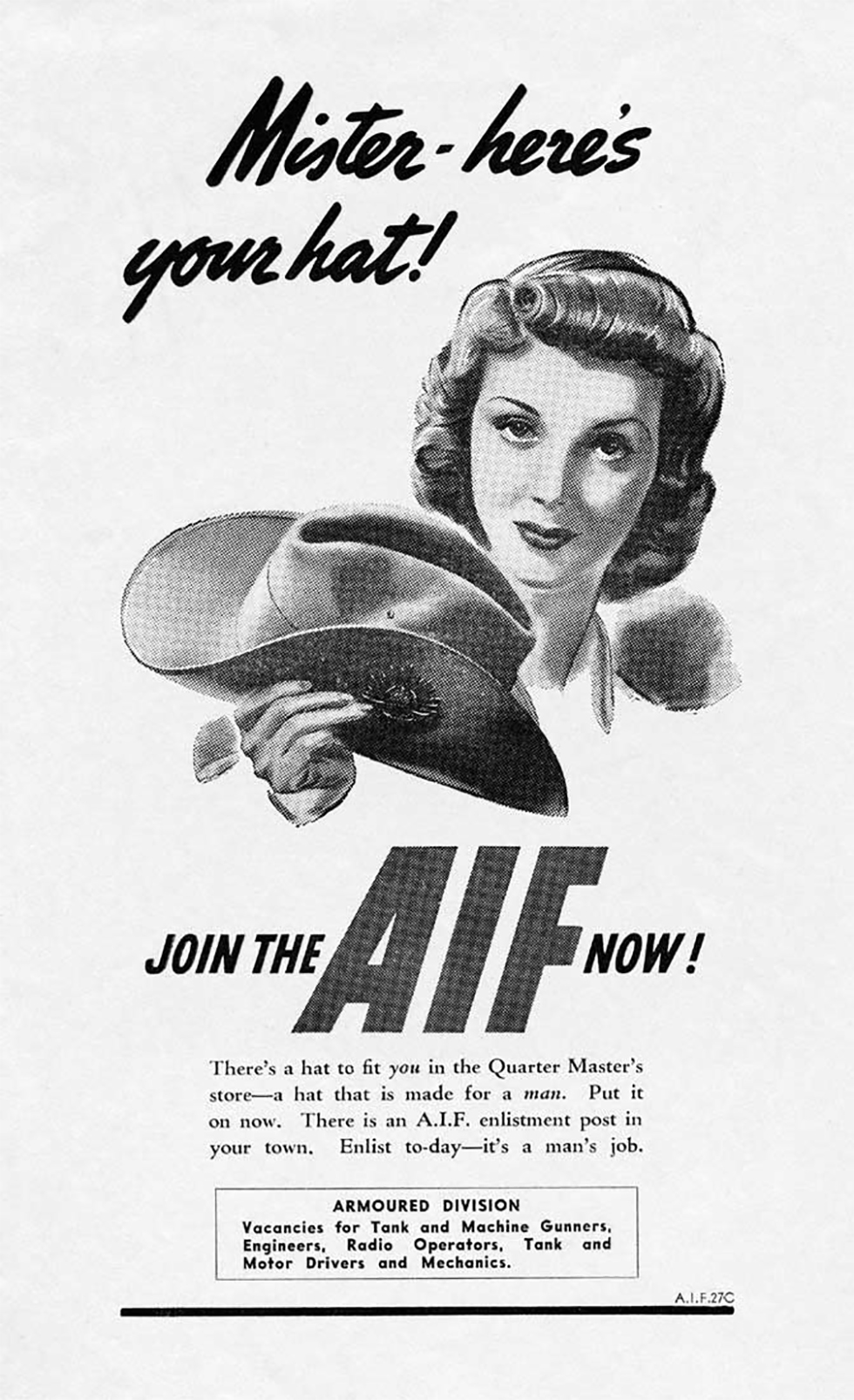
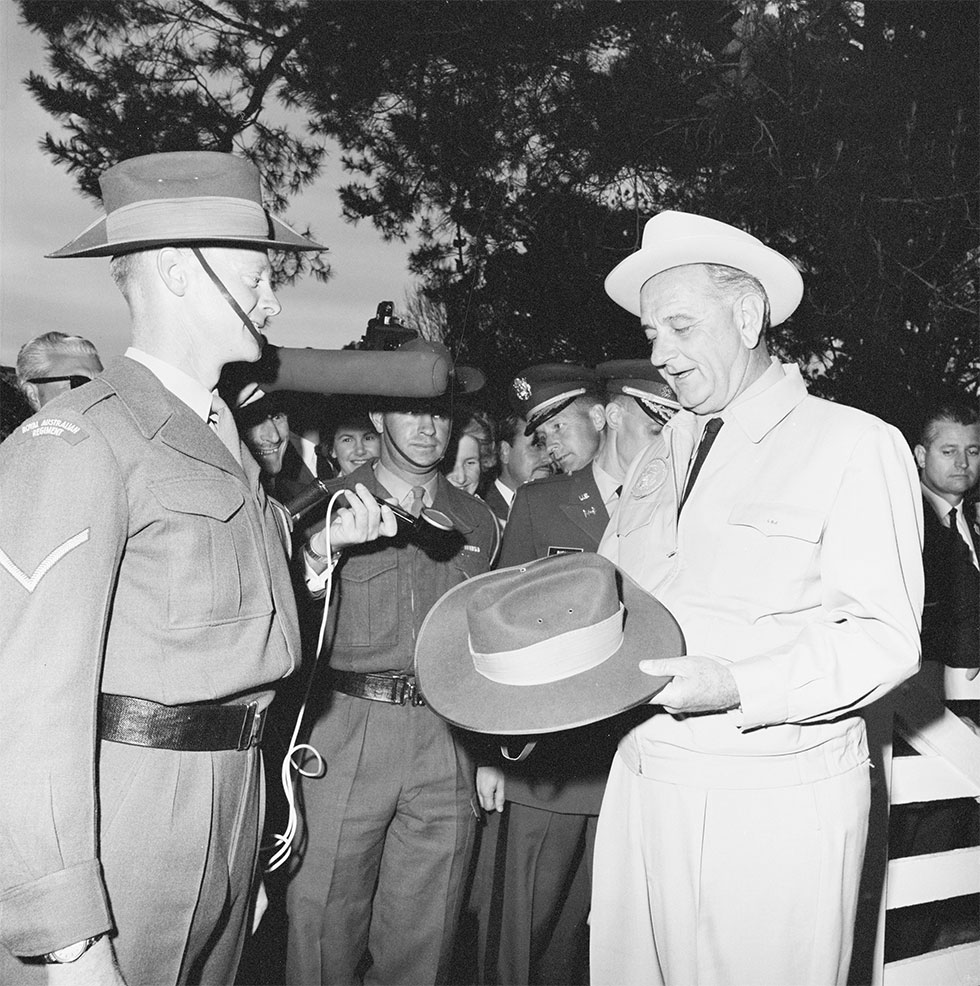
Perhaps Akubra's most iconic hat is the military slouch hat, manufactured for the Australian Army since the First World War. Rabbit-fur hats were found to be significantly more durable and water resistant than the previously used wool felt.
The military slouch hat was, and still is, worn with the left side of the brim pinned up with the Australian Army or 'Rising Sun' badge. Pinning the brim prevented the hat from catching on the rifle during parades.
During the Second World War, over 80% of Akubra's production was devoted to manufacturing hats for the Australian military.
By this time, the slouch hat or 'digger hat' had become so integral to the image of the Australian Army, comedian George Wallace even wrote a patriotic song in its honour in 1942: 'A brown slouch hat':
It's just a brown slouch hat, with the side turned up, and it means the world to me.
It's the symbol of our nation, the land of liberty.
And the soldiers, they wear it, how proudly they bear it, for all the world to see.
Just a brown slouch hat, with the side turned up, heading straight for victory.
Advertising
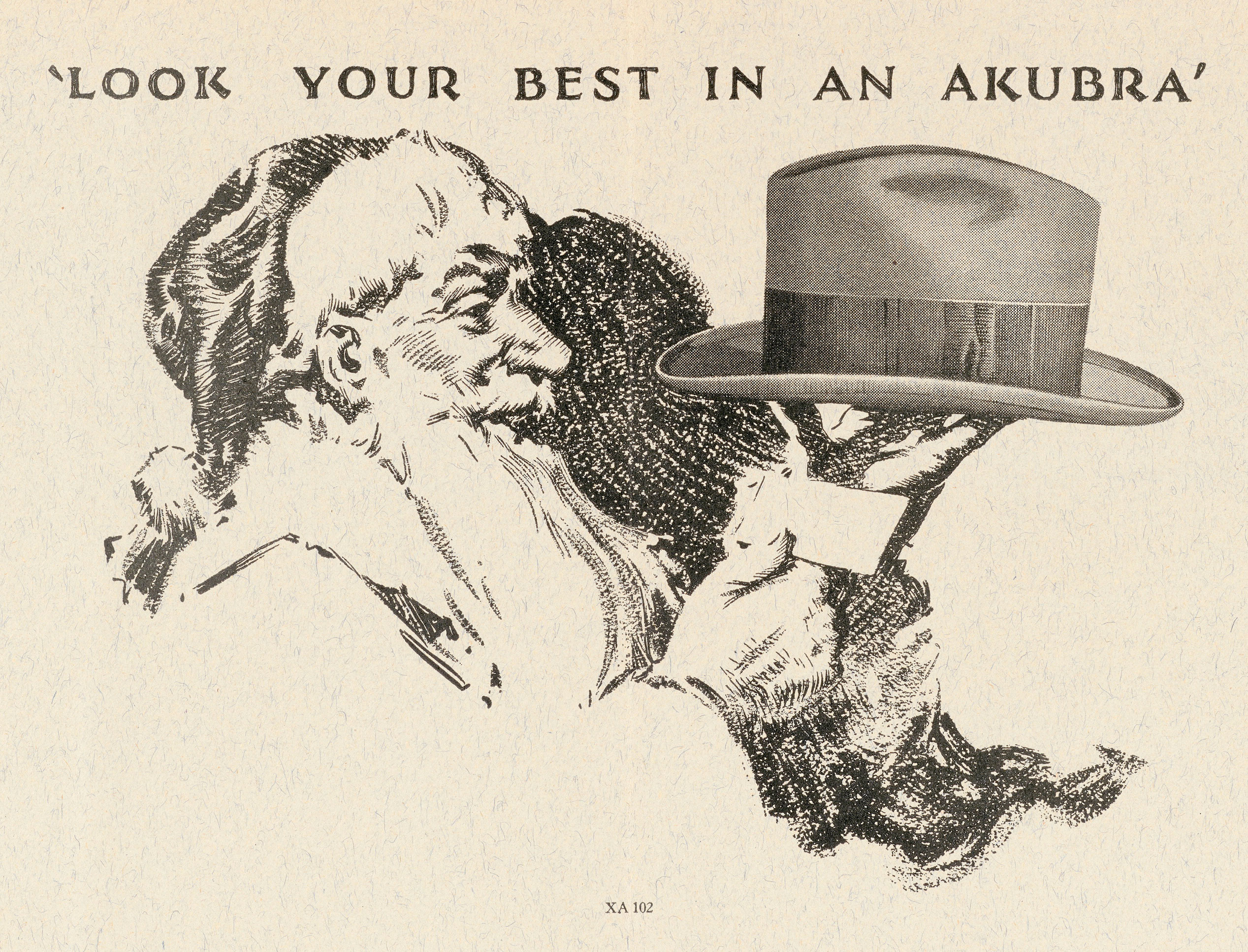
National Archives' copyright collection contains a wide range of original advertising material for Akubra hats.
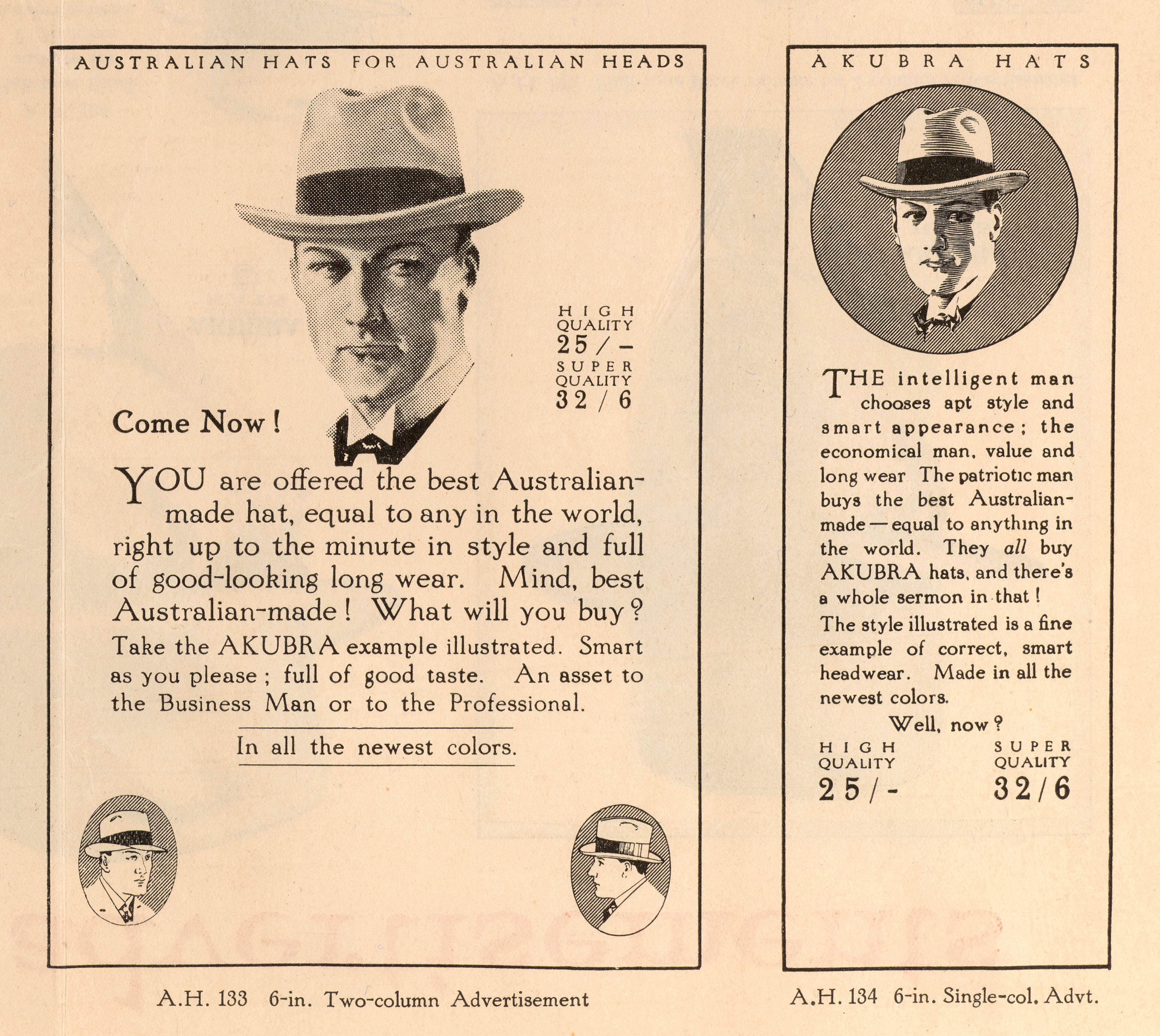
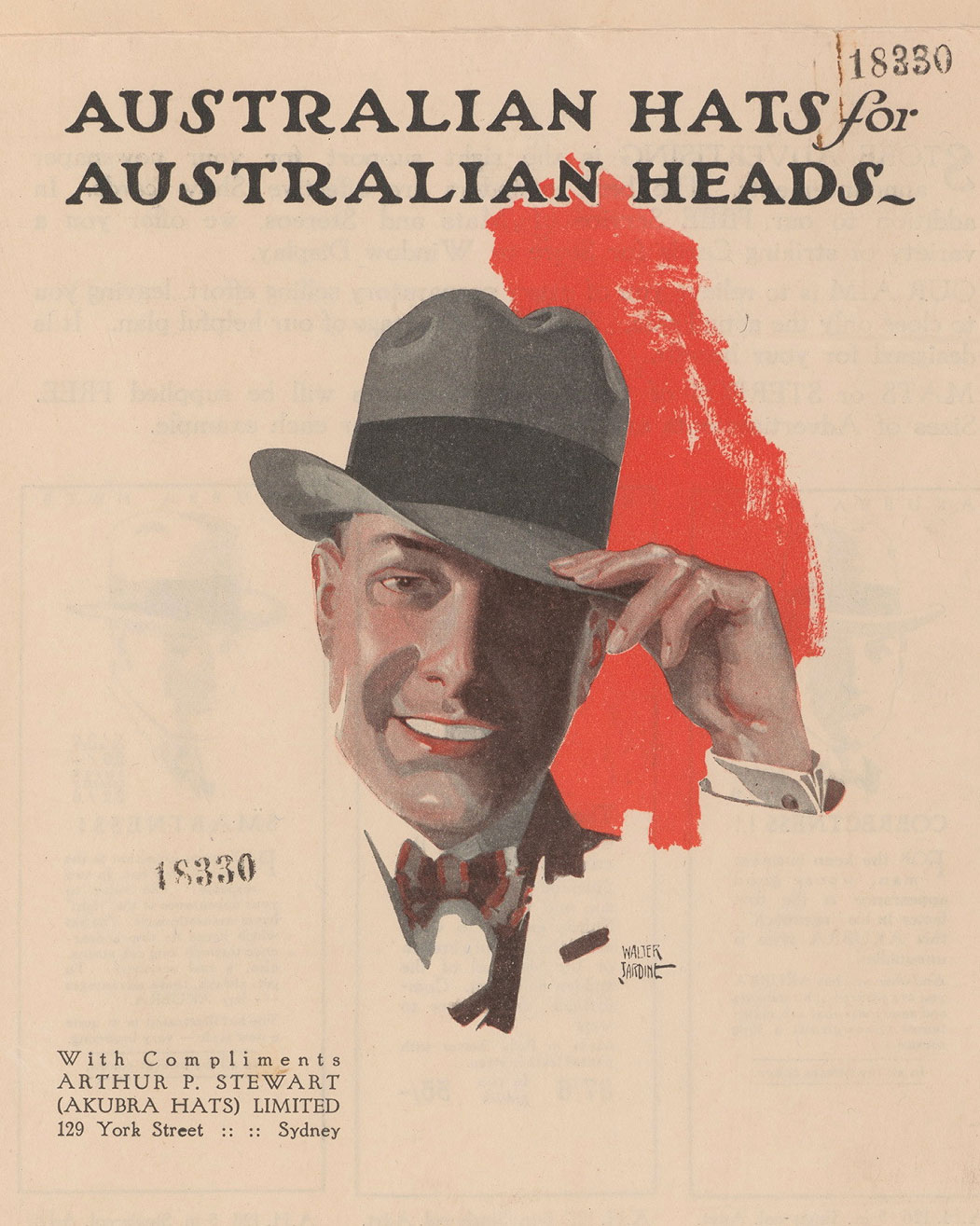
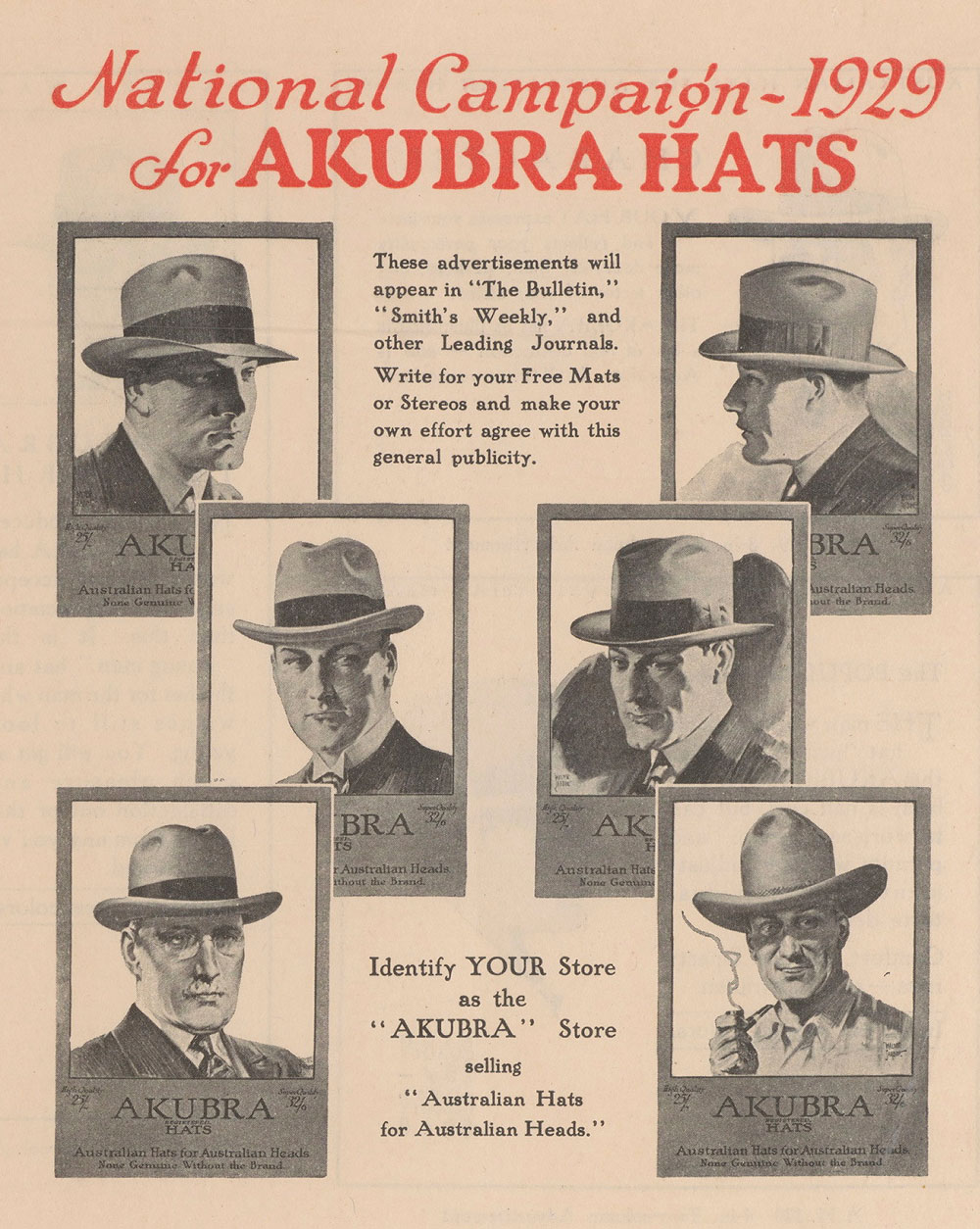
A 1929 campaign booklet encourages stores to promote themselves as selling 'Australian hats for Australian heads' and features a wide range of styles. 'Come Now!', it proclaims. 'You are offered the best Australian-made hat, equal to any in the world.'
Advertising materials also demonstrate trends in hat styles and fashions. While the bush hat remains Akubra's stock and trade, many additional styles were offered, including hats for business and daily wear. After all, until the 1960s, no well-dressed man of any class or profession could be seen without a hat.
Beyond Anzac
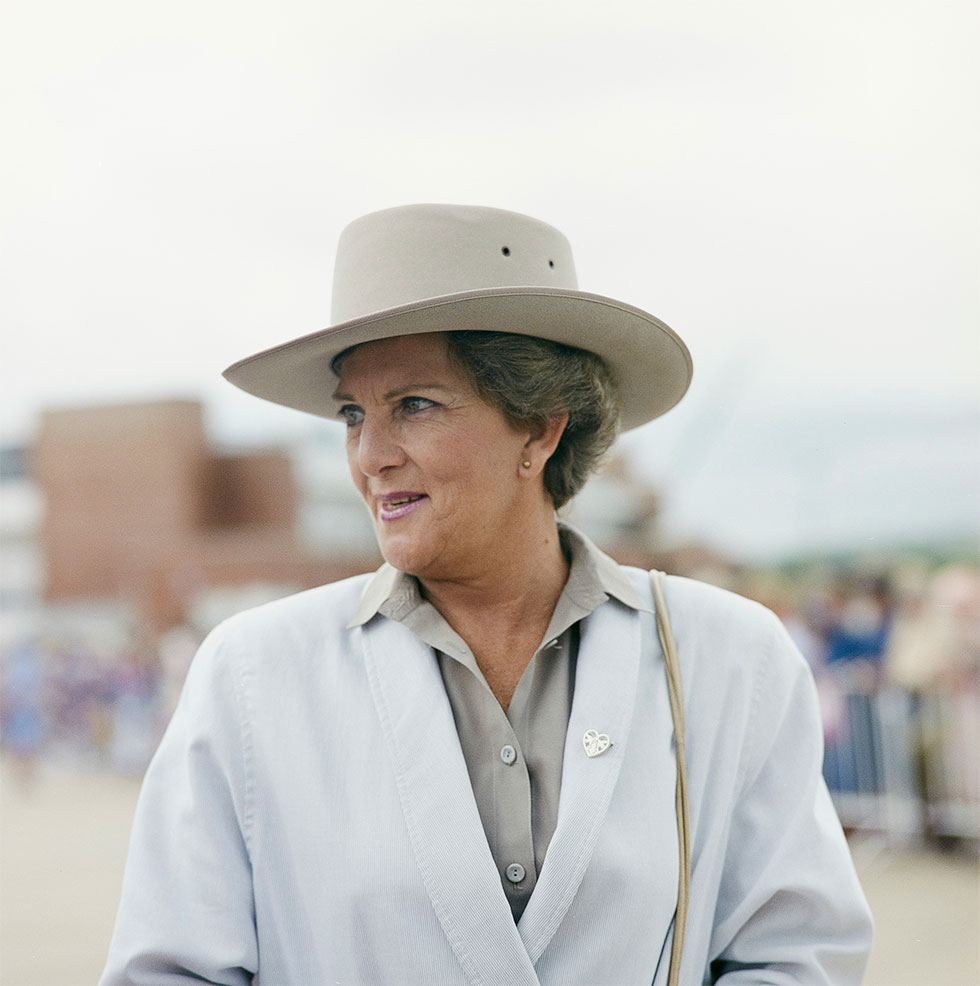
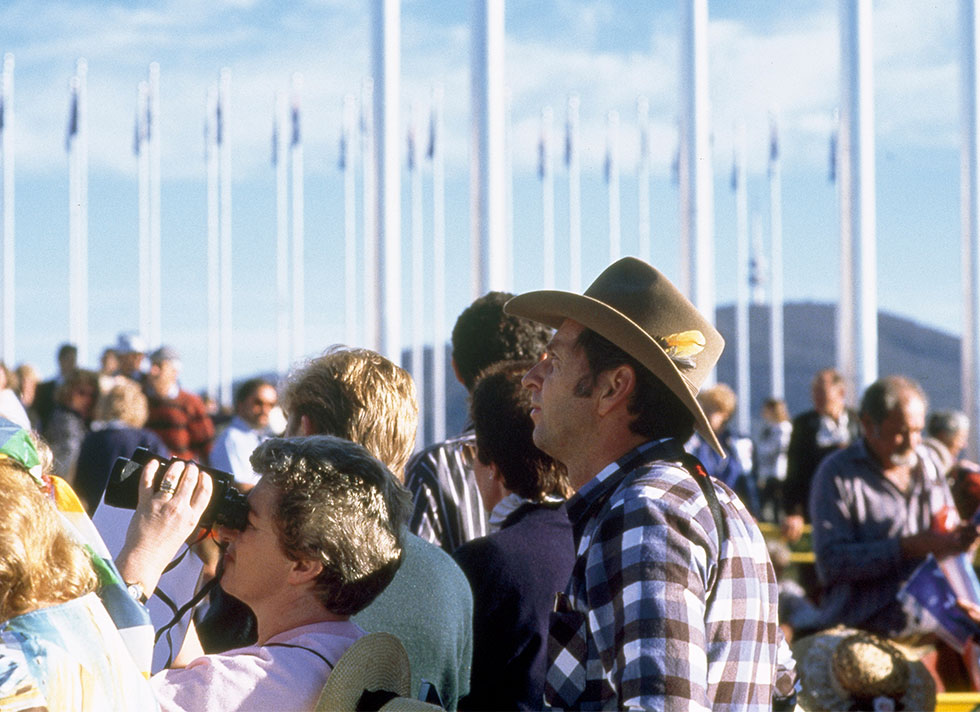
Akubra bush hats have come to be associated with a very particular image of 'quintessential' Australian life, closely linked to the bush, military service and rugged masculinity. Notable Australian figures, such as former prime minister John Howard, have worn the hat to signal national pride and a connection to rural Australia.
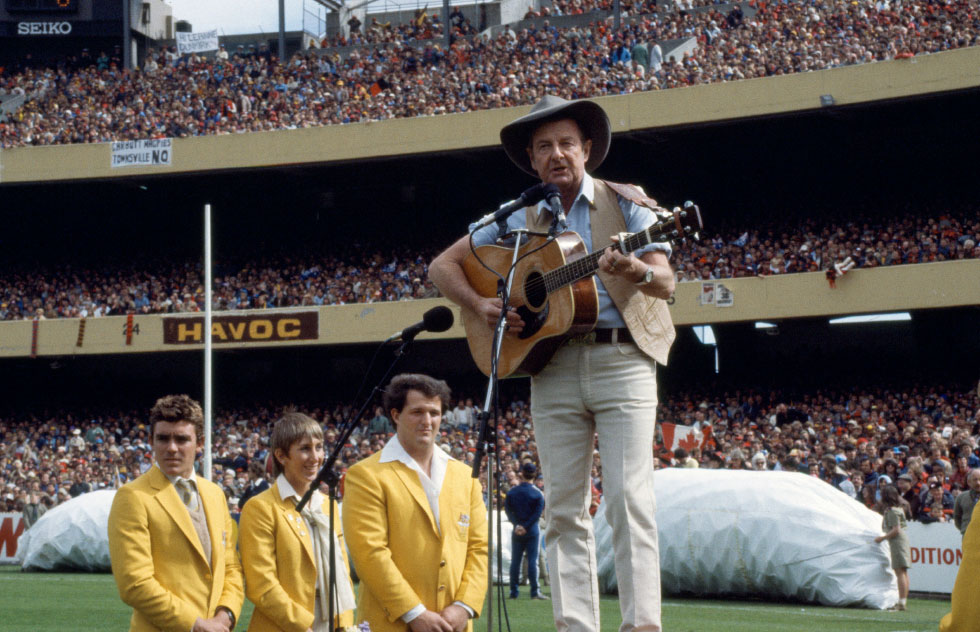
They are also often associated with country music, especially the late, great legend Slim Dusty.
The Akubra company remained in the Keir family until 2023, when it was sold to Andrew 'Twiggy' Forrest's company, Tattarang. Stephen Keir V, a direct descendant of the original Stephen Keir, remains at Akubra as Master Hatter and Production Manager.