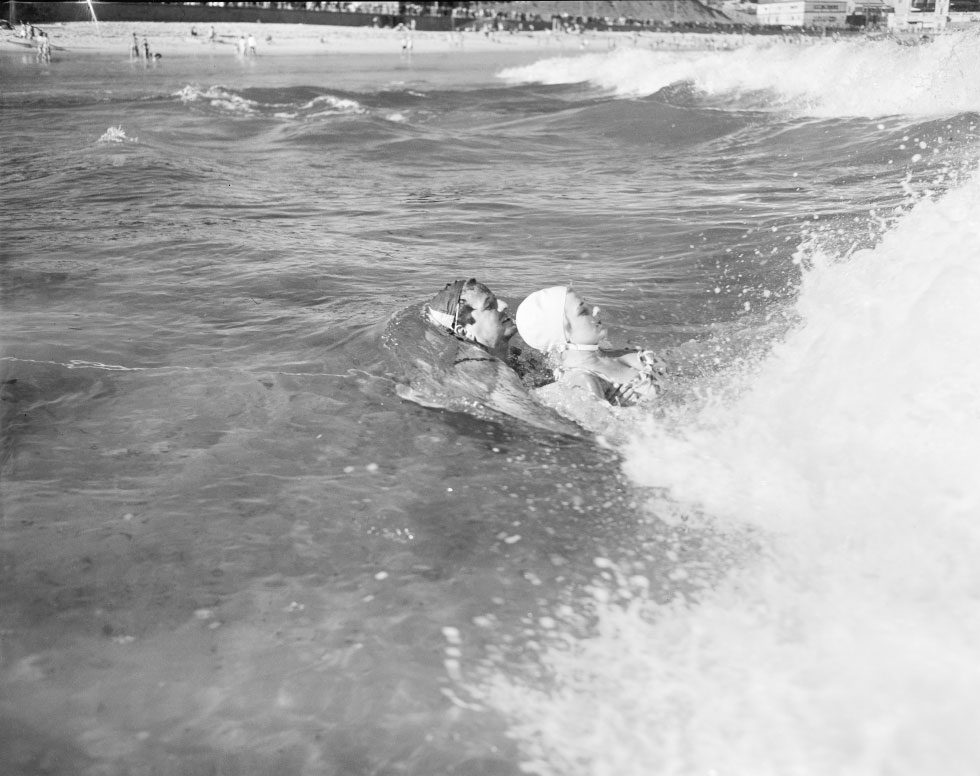
Australia's beaches have always been equal parts beautiful, stunning and seriously deadly. In the dawn of the 20th century, the world's first surf lifesaving clubs were formed to keep the seashores safe.
Danger in the tides
By the late 19th century, as Australians became urbanised and had more time for relaxation, the lure of the beaches grew. In the 1890s, ocean bathing became a phenomenon. Daylight swimming, which had been banned by local councils, was allowed. Suddenly, thousands of inexperienced swimmers flocked to beaches such as Bondi, Manly or St Kilda.
However, the brutal rips and fast tides of the Australian surf proved lethal. In addition, many beachgoers simply couldn't swim. Drowning deaths became a regular occurrence, especially in summer.
Historical mortality data analysed by Carolyn Staines revealed that Victoria saw approximately 8,500 to 9,000 drowning deaths between 1861 and 1905. By 1907, in New South Wales, newspapers were warning that 'surf bathing fatalities ... occur each season on the ocean beaches around Sydney.' (Australian Town and Country Journal, 24 April 1907).
It was clear that organised patrols were desperately needed.
The rescue of the distressed
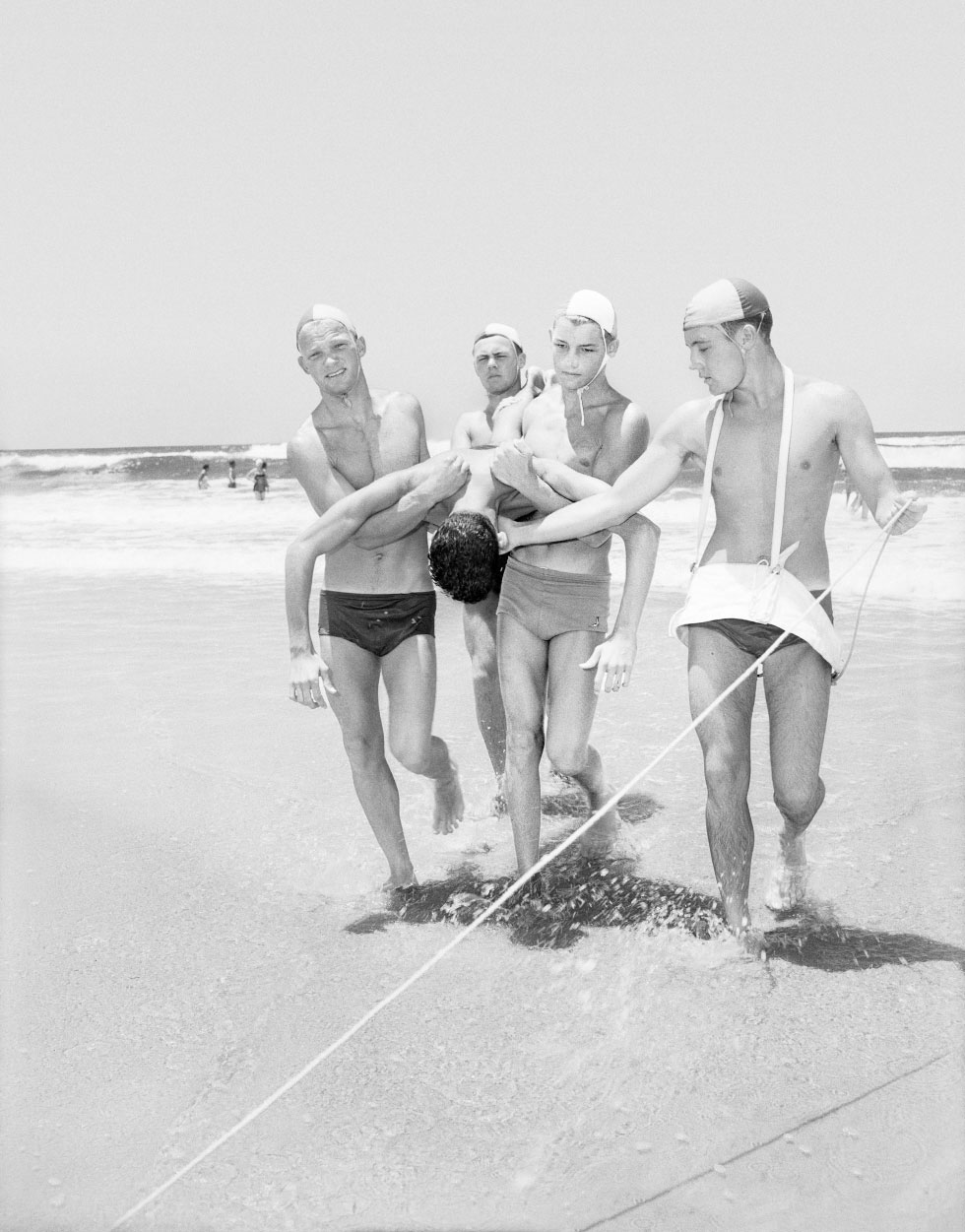
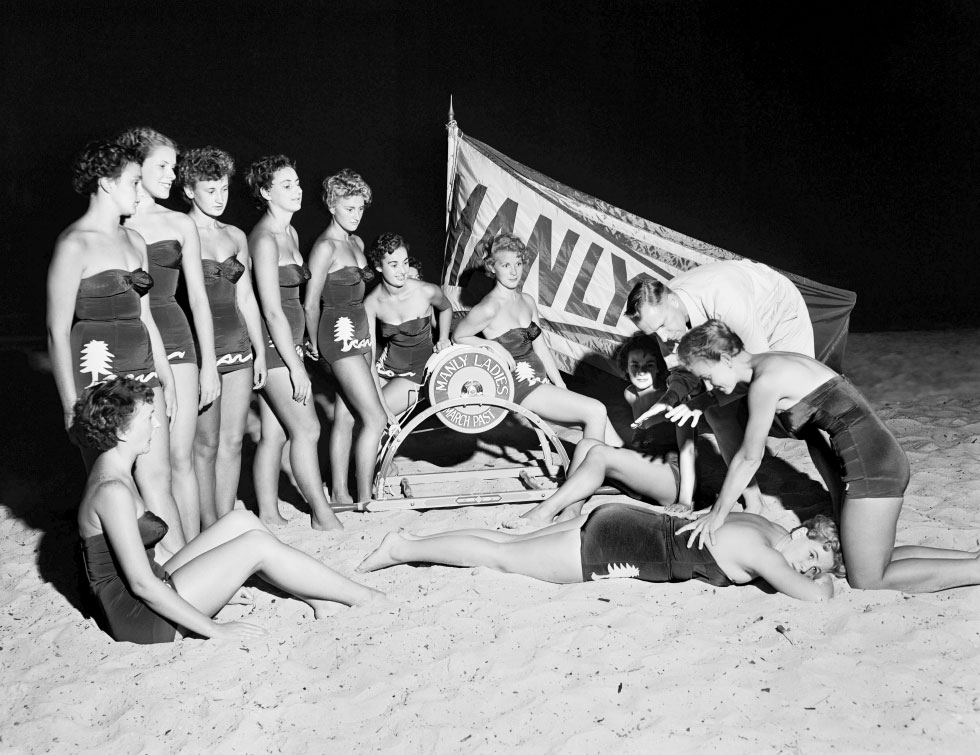
It's fitting that the world's first surf lifesaving club began on Australia's most iconic beach. In 1907, the Bondi Surf Bathers Life Saving Club was formed. Its stated aim was 'the rescue of the distressed'. Other clubs quickly followed, at Manly, Coogee and Tamarama. They were all, as they are now, made up of volunteers.
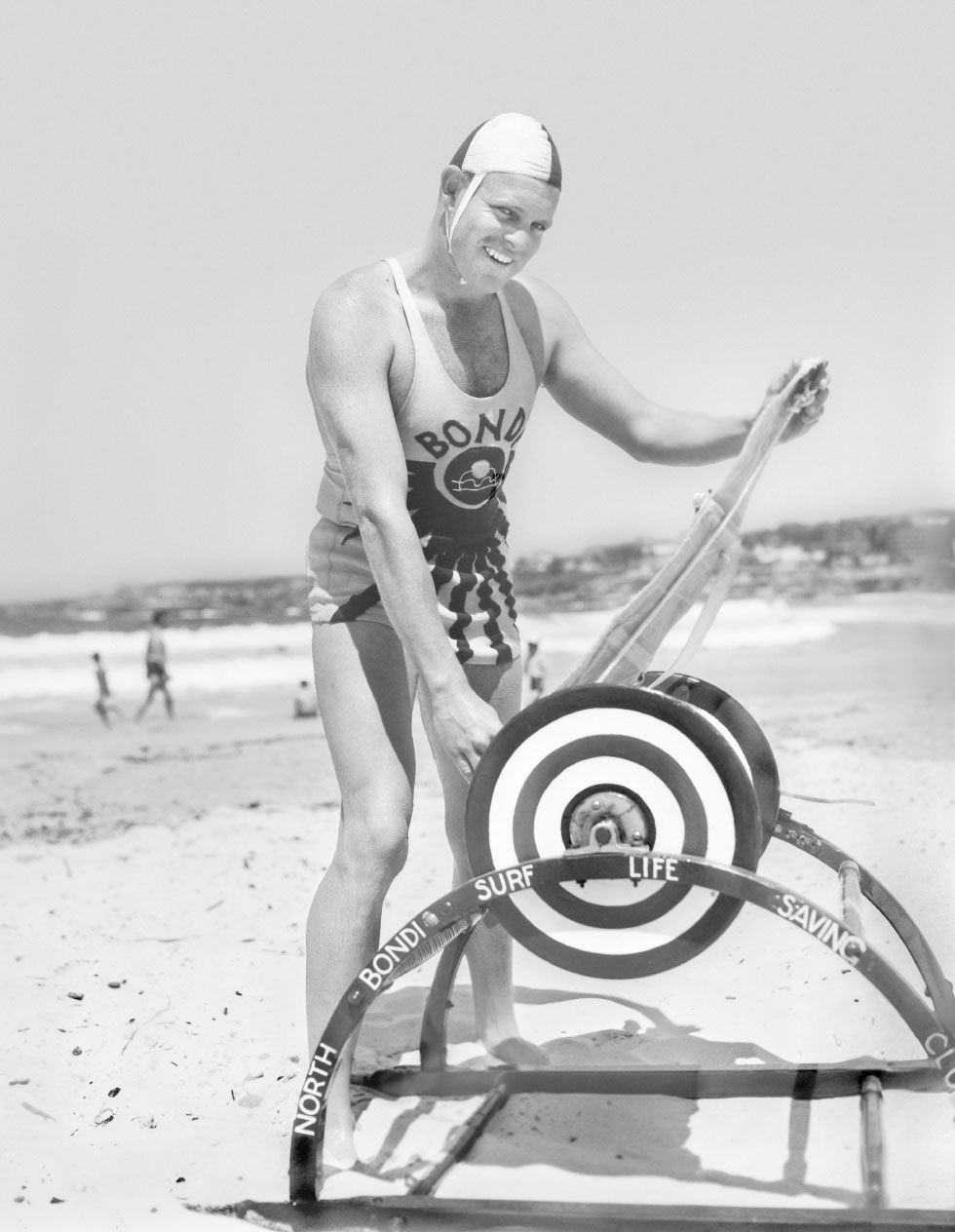
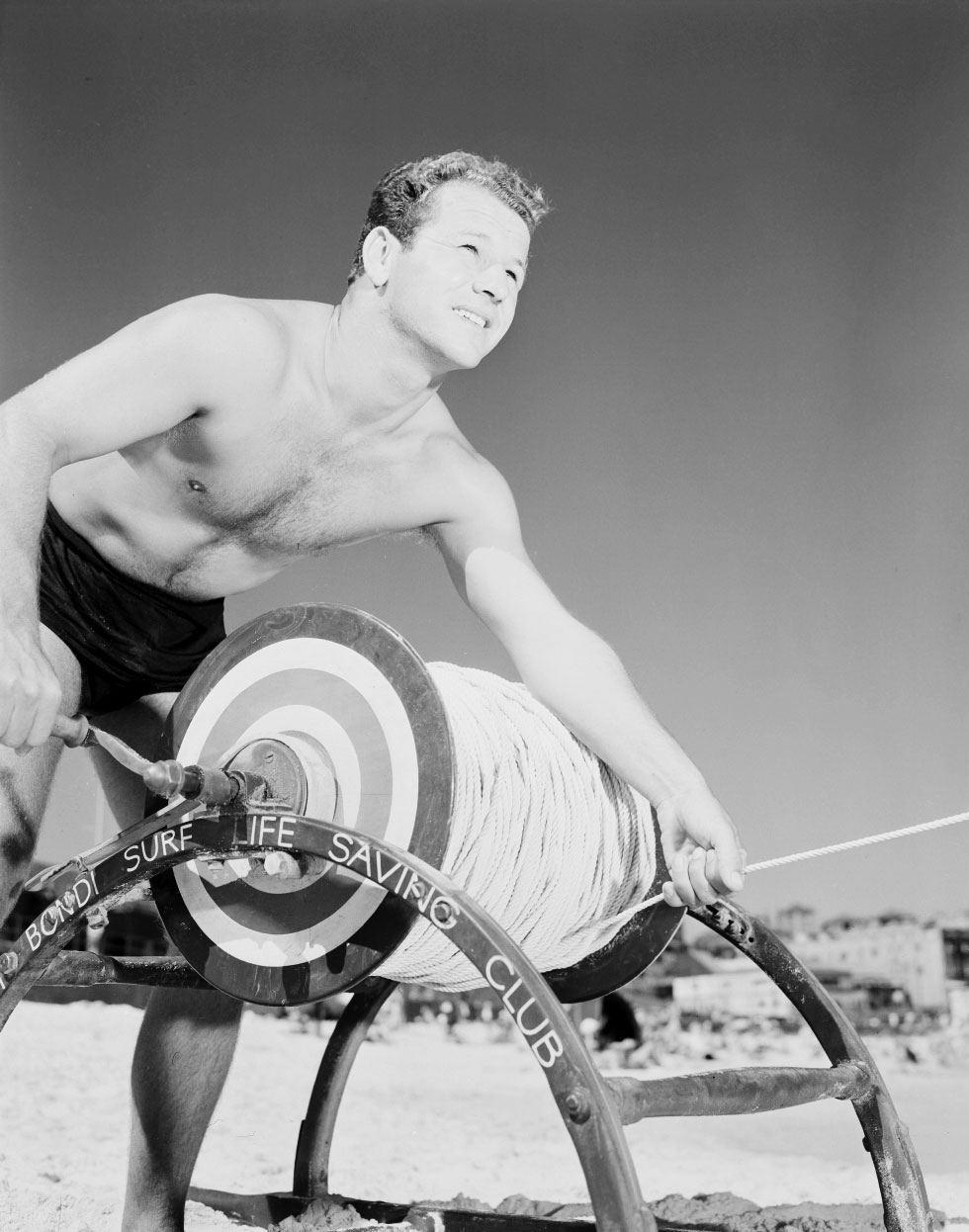
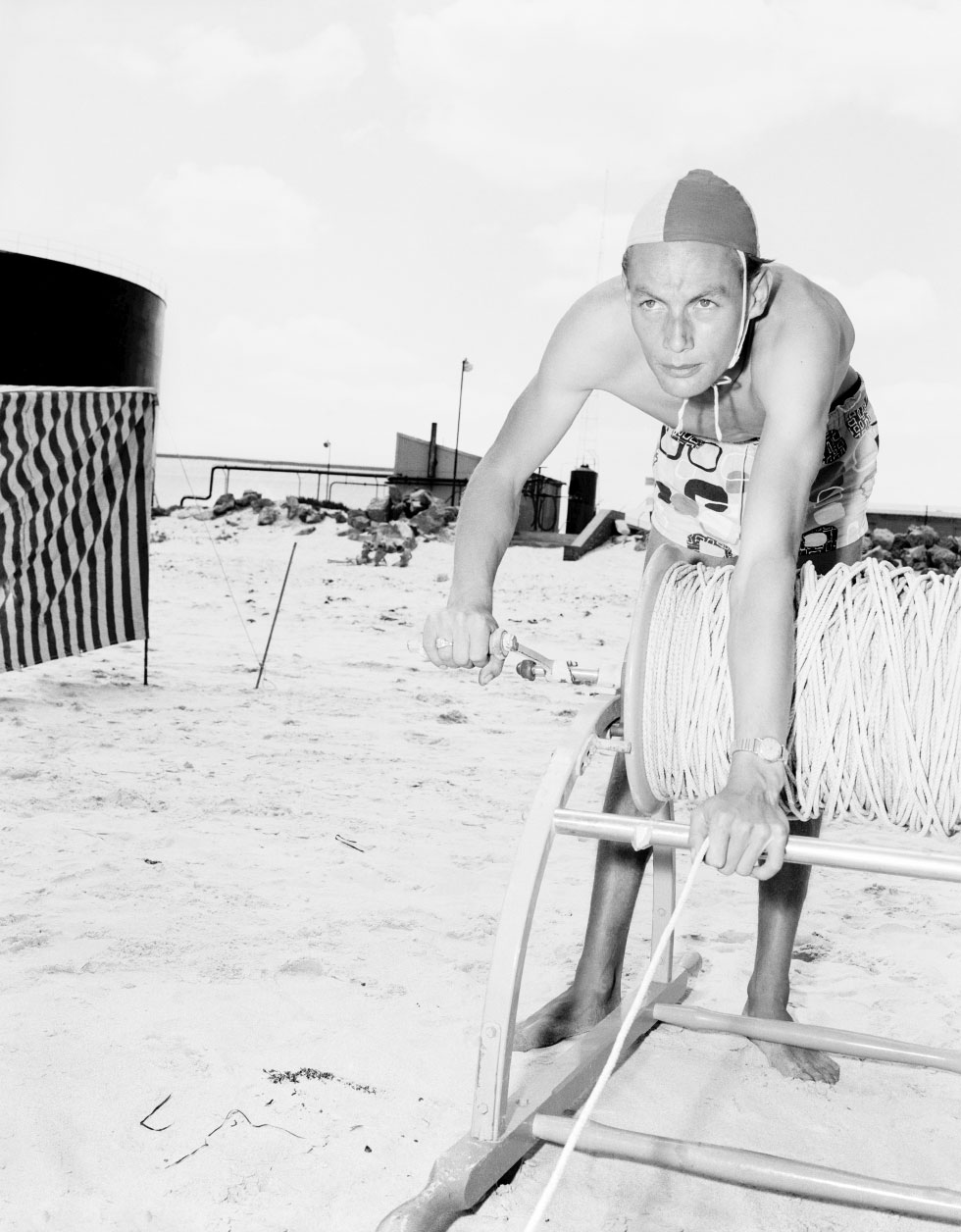
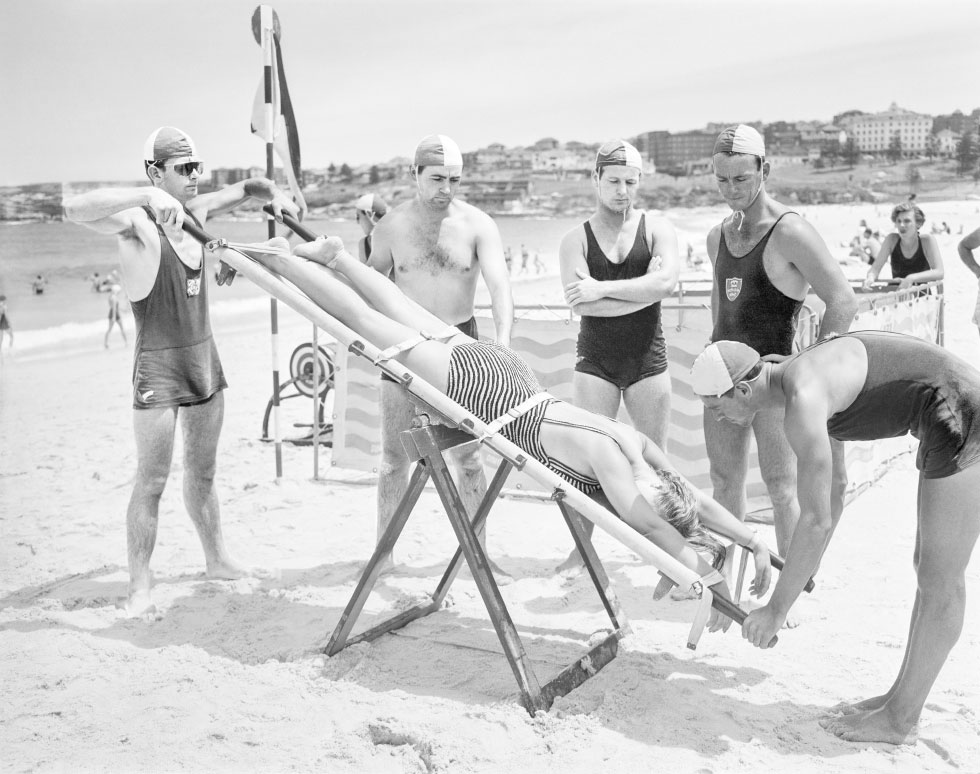
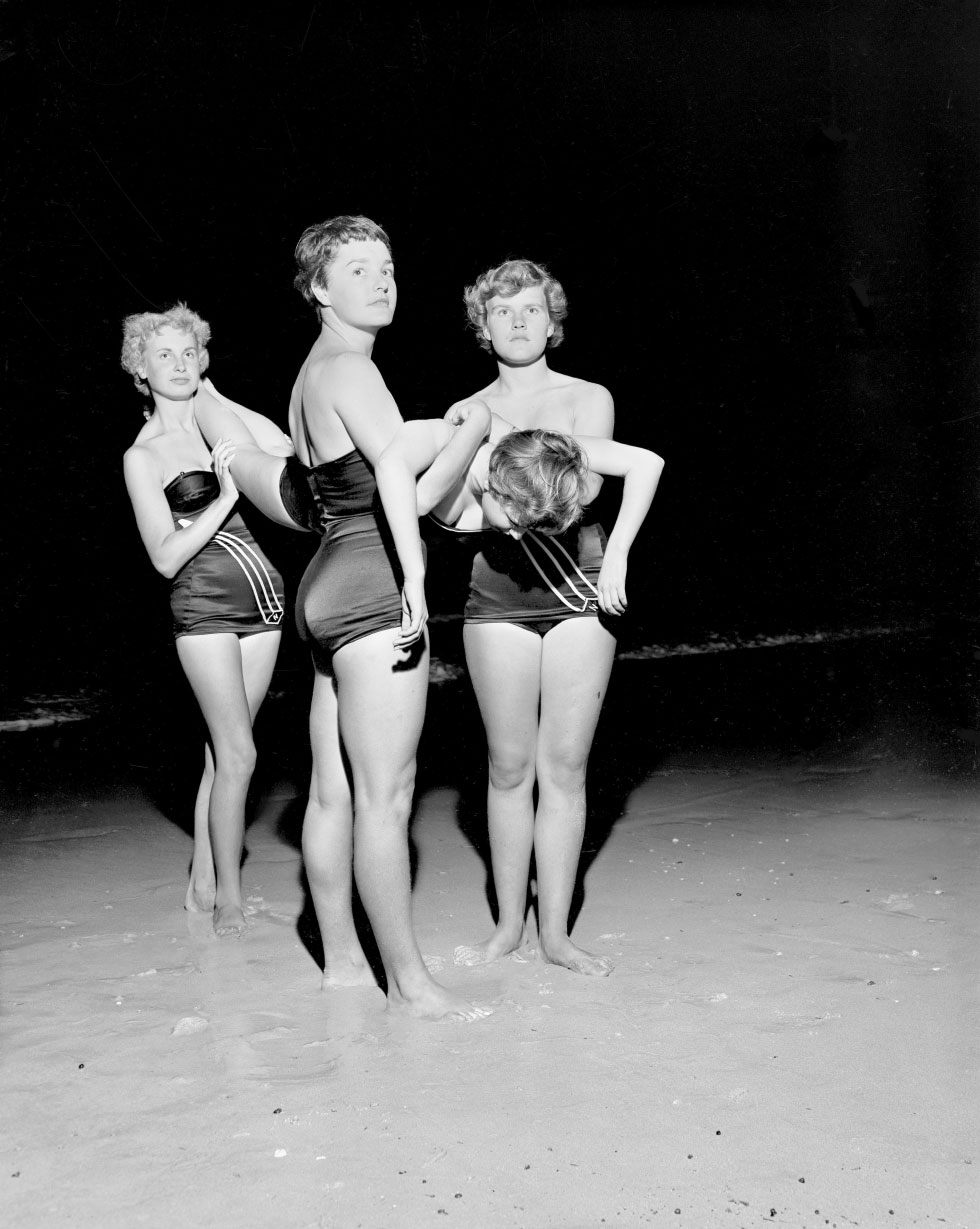
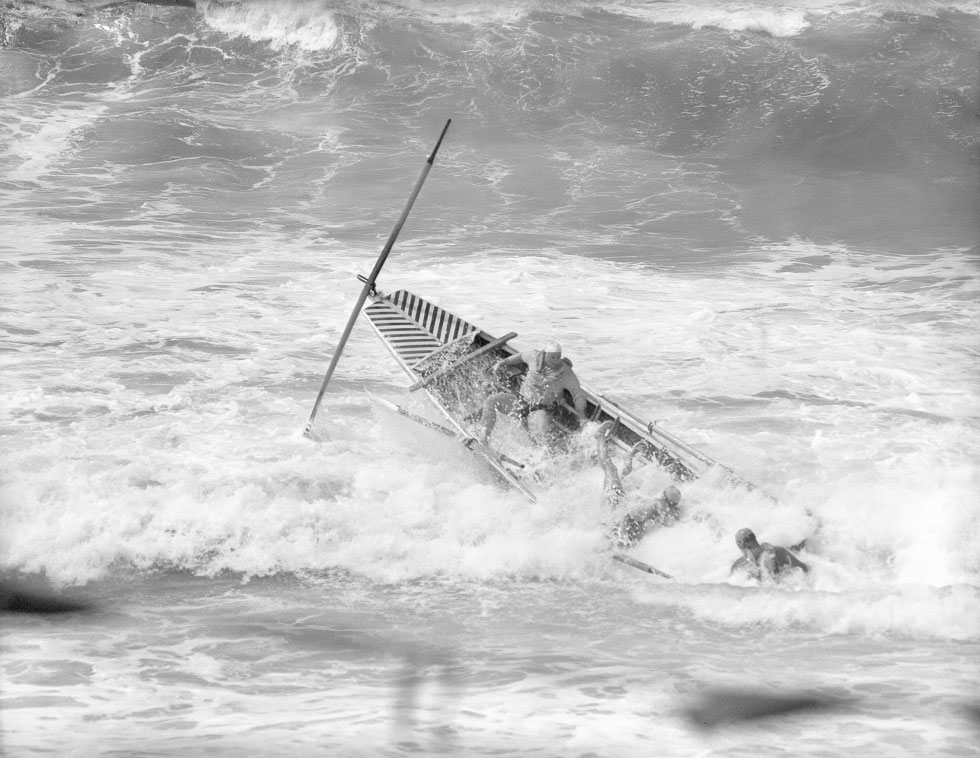
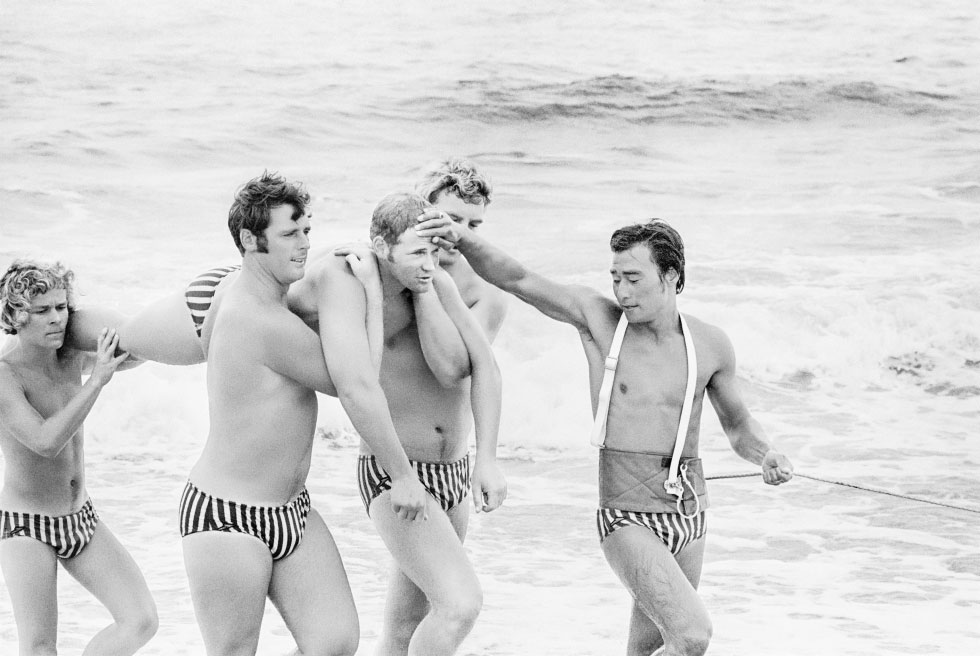
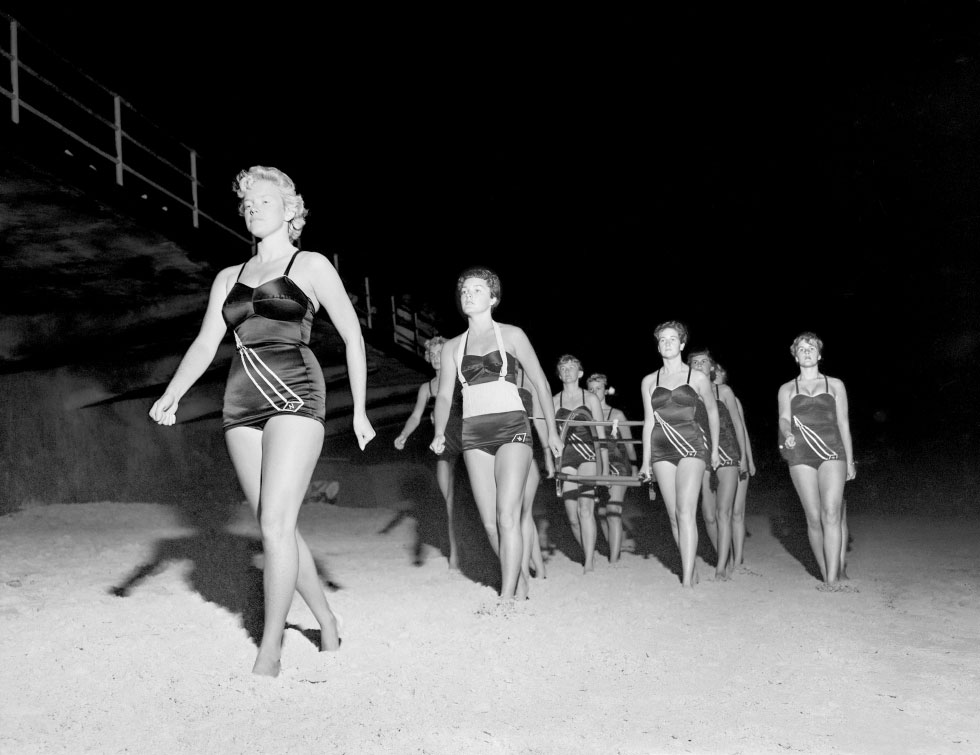
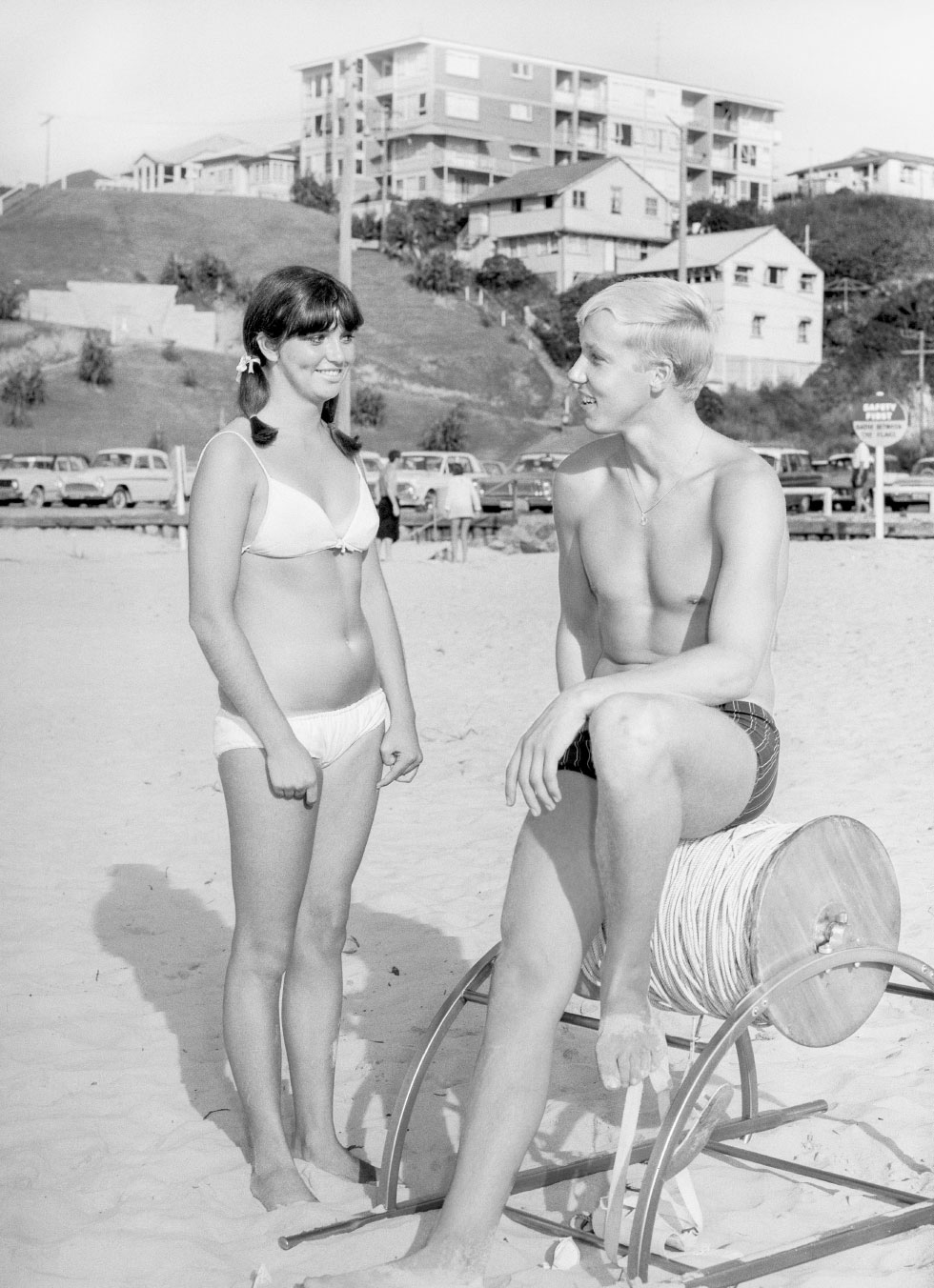
In those early days, surf lifesavers learned on the job. The surf reel, now standard kit for surf lifesavers everywhere, was invented and trialled by Bondi surf lifesavers in 1906. The first purpose-built surf boat was created by the Bronte Surf Club in 1907. These wooden, oar-driven boats with flat sterns were designed to ride the rough waves. Early club guidebooks had instructions about resuscitation and CPR. One can only imagine these original lifesavers, flinging themselves into the turbulent ocean to try and save desperate swimmers in a do or die mission.
The lifesaving clubs had an instant impact.
Over the following two decades from 1907, annual drowning deaths appear to have fallen by roughly half. This was also due to better education around water safety and improved swimming skills.
The media quickly got behind it. Publications called for more funding for equipment for the fledgling lifesaving movement.
The value to the State of one life is surely worth more than that of many fathoms of rope. – Australian Town and Country Journal, 1907
The famous red and yellow flags became used nationally in 1935 and the lifesavers wore red and yellow caps to match. These bright colours became both a critical safety signal and an Australian icon.
The celebrity of the surf lifesaver
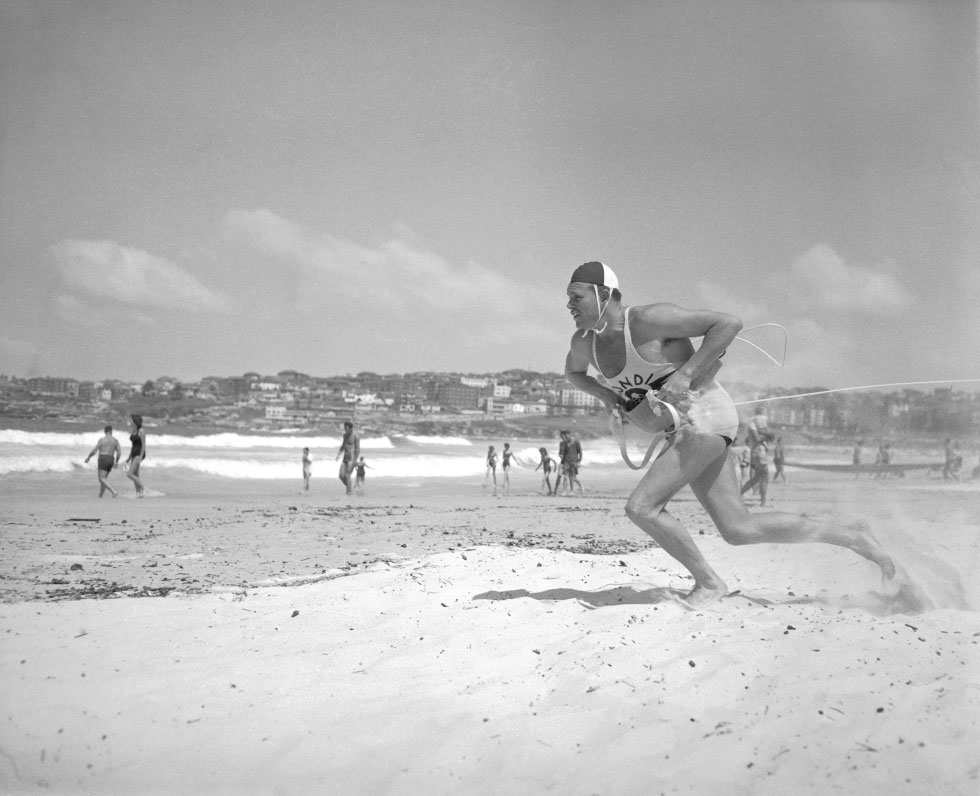
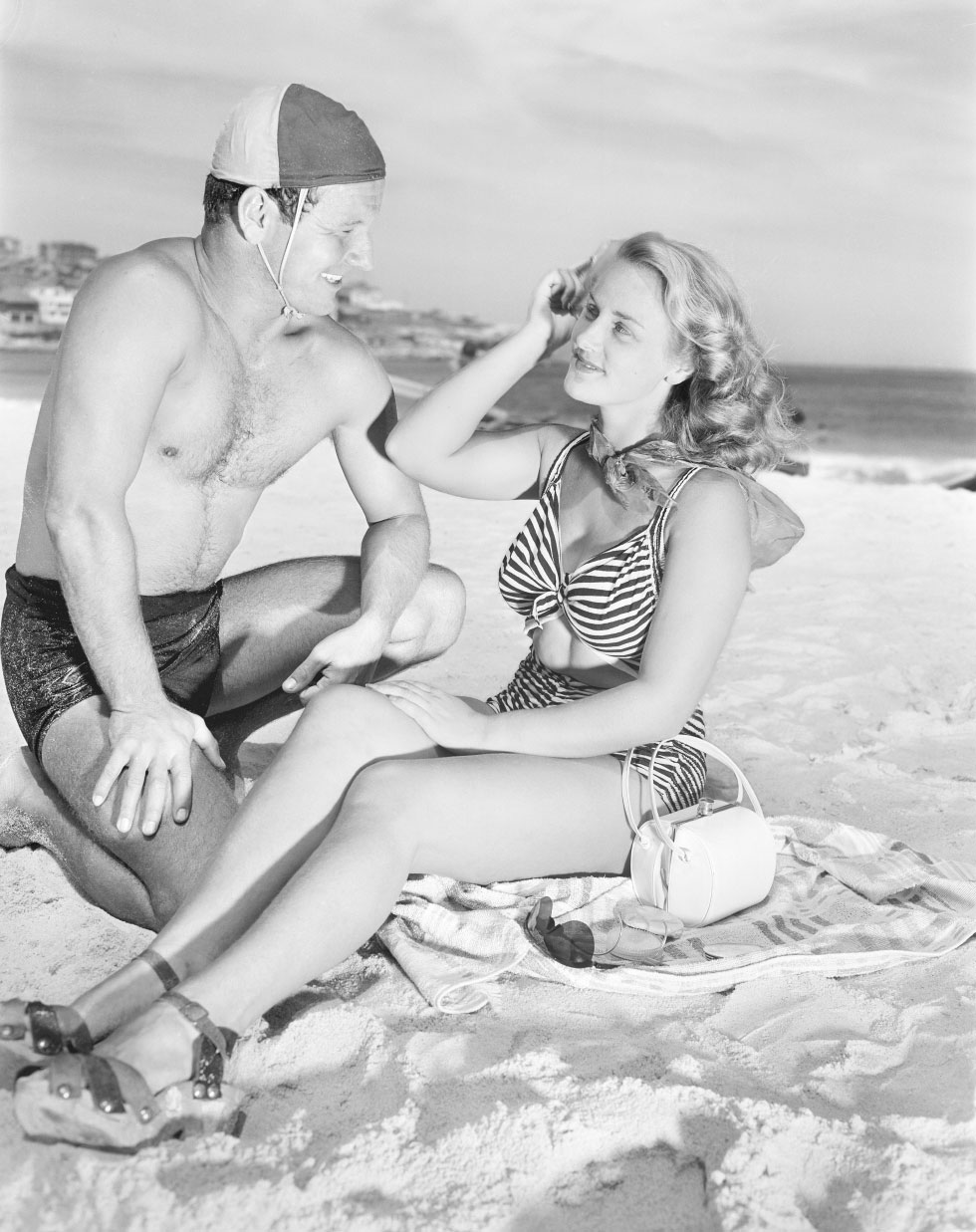
The surf lifesaver quickly launched a new Australia idyll. This 'bronzed Aussie' was fit, resourceful, tanned and toned, and upheld the ideas of mateship and helping others. They also looked great in swimming trunks. They were overnight superheroes with the public. A surf lifesaving demonstration at Newcastle Surf Club attracted an estimated 10,000 spectators in 1908.
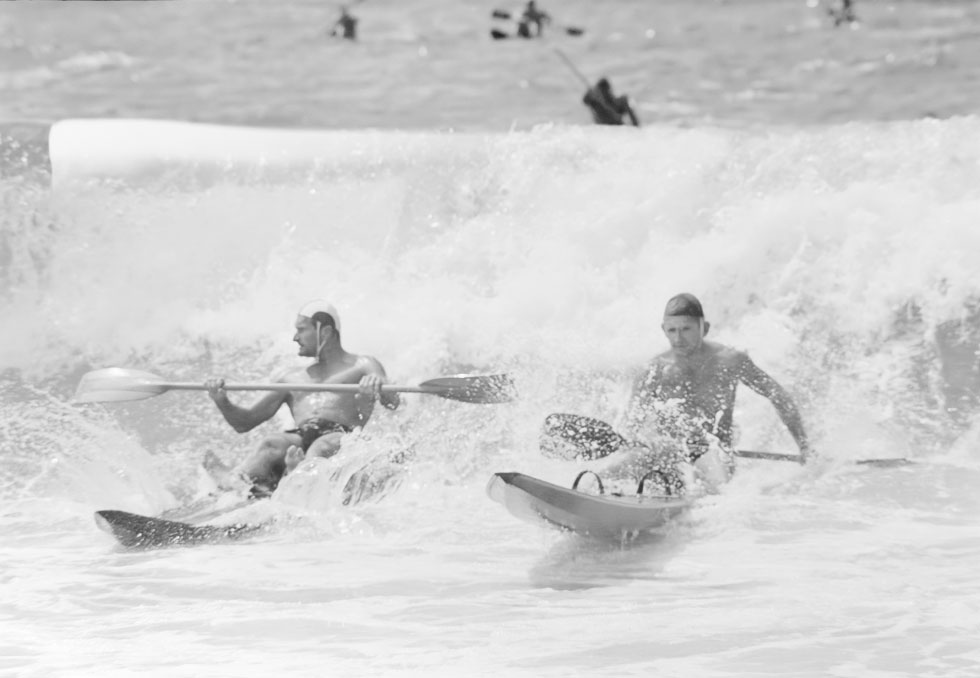
Clubs began putting on competitions and carnivals. These were immensely popular with newspapers showering them with as much attention as cricket matches. These soon expanded to international competitions, with clubs from Europe and America taking part. It was a fabulous showcase of the lifesavers' work.
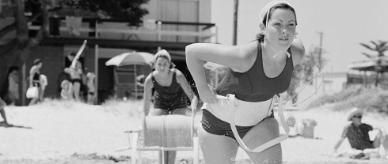
Later, in the 1960s, the Ironman event was added, then the Ironwoman event in 1992. These were tough endurance tests, combining beach sprints with boarding and swimming. These events garnered great public attention, even spawning 1984 movie Coolangatta Gold and TV shows such as Bondi Rescue.
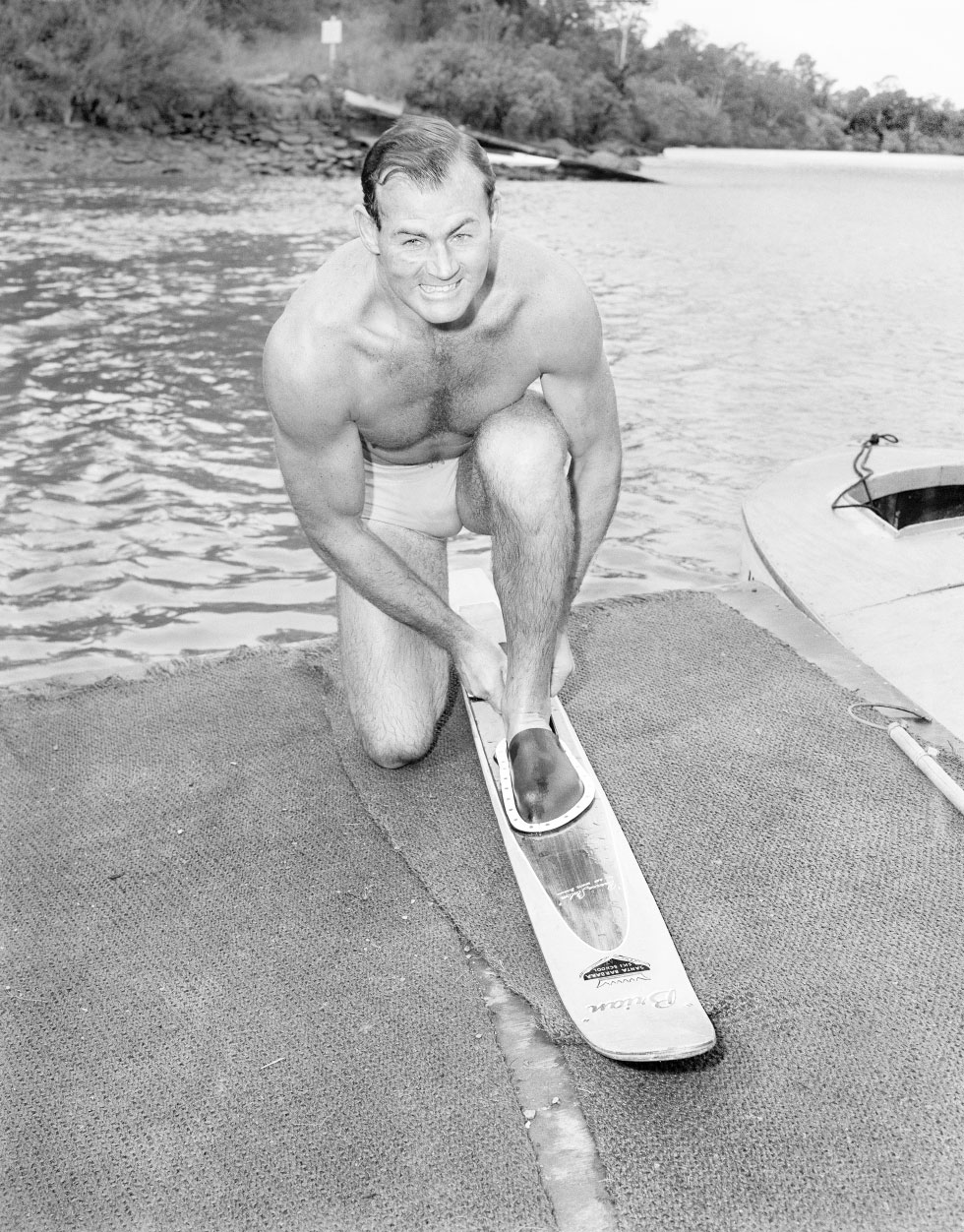
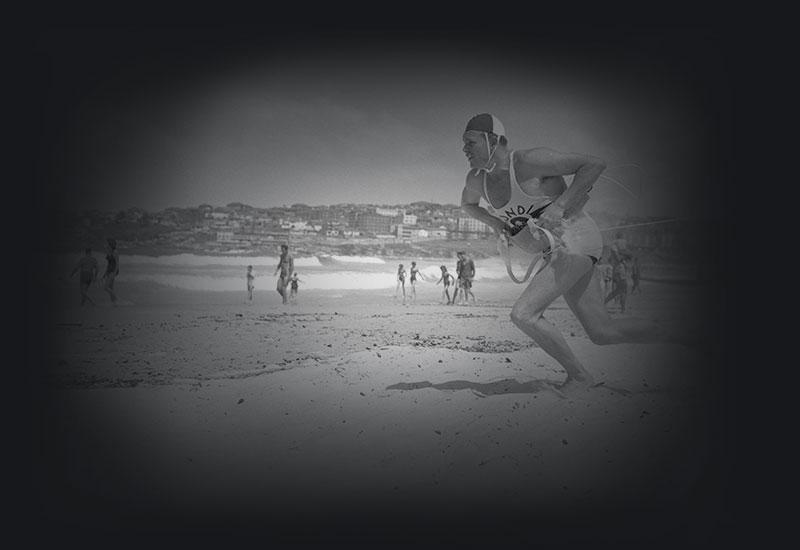
Brian Hutchings was an example of how the modern surf life saver became famous beyond the beaches, through surf lifesaving competitions. Based at Bondi Beach Surf Life Saving Club, Hutchings won almost every international and national title in the 1950s and 1960s. He competed as a lifesaver with the Australian team in 1954 and 1955. In 2004 he was inducted into the Surf Life Saving Australia Hall of Fame. Right up until his death in 2006 he was still competing in surf competitions.
Migrants to the rescue
From the1950s onwards, Australia's migrants became keen surf lifesaving volunteers. National Archives holds significant photos and documents about immigrants joining the movement in large numbers. This included migrants from countries such as England, Germany, The Netherlands and Japan. One such migrant, Hank Hoogland, couldn't even swim when he arrived in Australia. Yet at 20 he helped form the Port Beach surf lifesaving club in Western Australia. He then became a swimming instructor. Then there was Jack Strybis, only 7 when his family left Holland and migrated to Australia in 1952. He went on to become a bronzed life saver patrolling Cronulla Beach.
Many of Australia's stories are about great innovation against fierce and dangerous elements. Australia's surf lifesaving clubs are one such story. They are also a wonderful example of community coming together, voluntarily, to help their fellow citizens. National Archives holds many illuminating photos and documents of surf lifesaving over the last century, findable within PhotoSearch.