Inspiring ‘inventress’ – Myra Juliet Farrell

Lucie Shawcross
Thursday, 26 February 2026

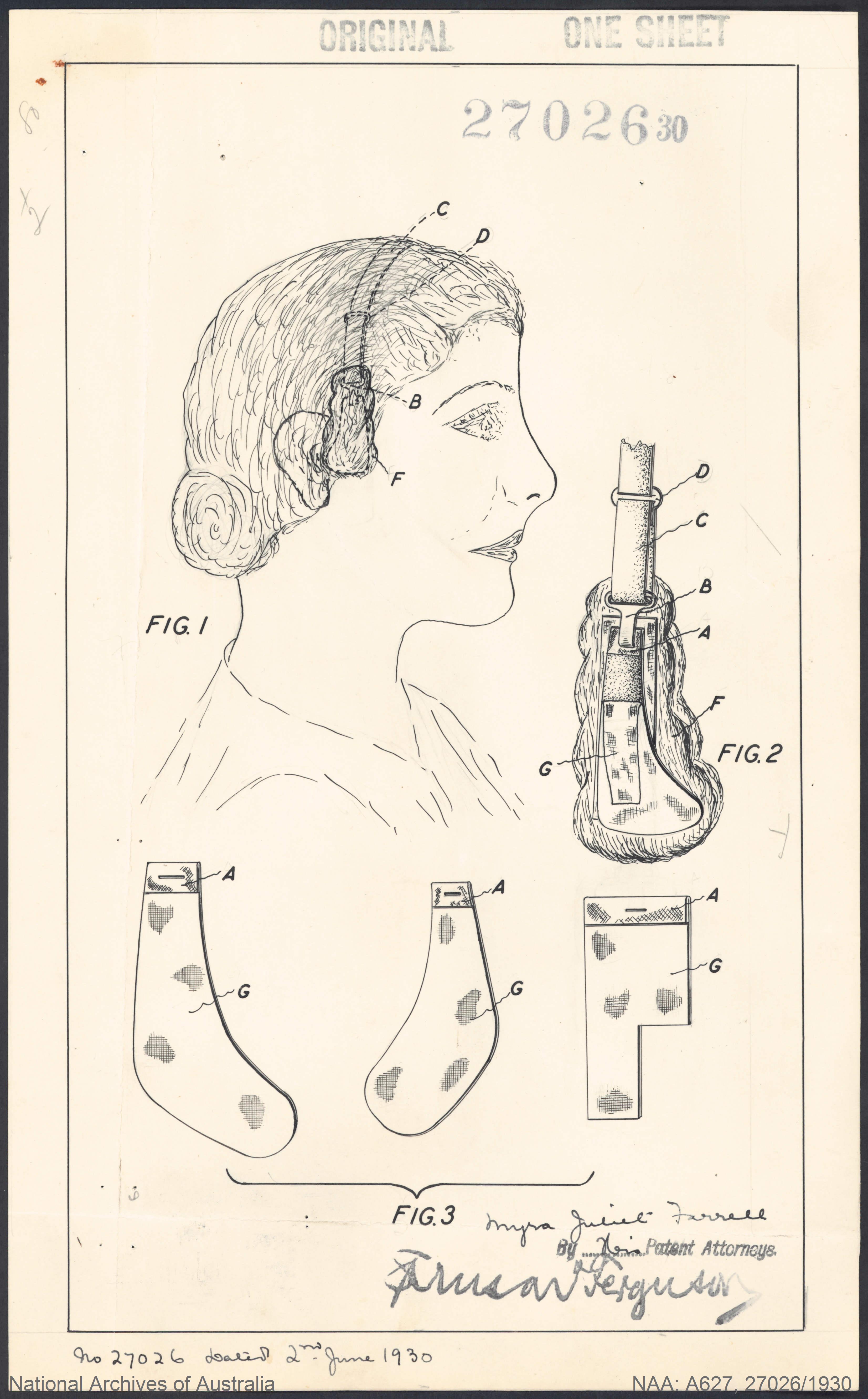
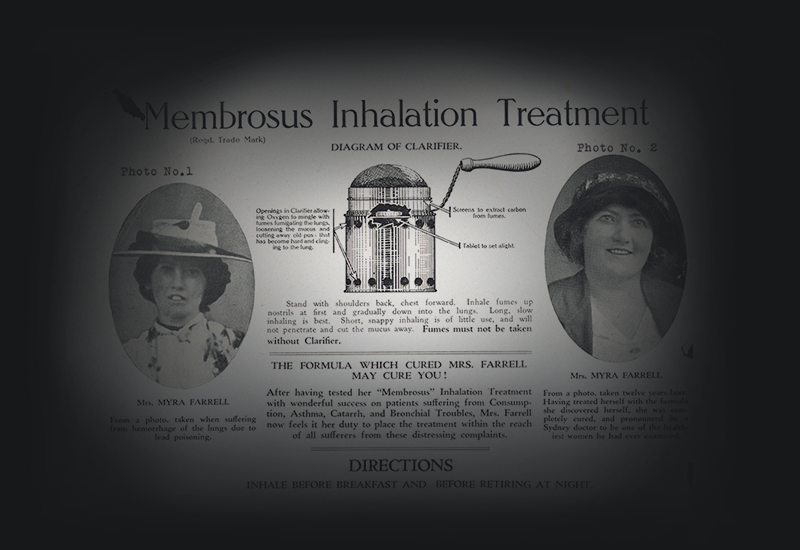
Myra Juliett Farrell (1878-1957) described herself as an 'inventress'. She made her living from over two dozen patented inventions – ranging from corsets and washing lines to a bullet proof fence.

National Archives' collection of design and patent registrations allows us to piece together the story of this relatively unknown inventor, and celebrate her creativity and innovation.

Creative beginnings

Myra was born in County Clare, Ireland. As a child, her family migrated to Australia, where they settled in the outback New South Wales town of Broken Hill.

When she encountered problems and challenges in her life, Myra sought solutions. At just 10, she created her first invention – a self-locking safety pin. As a young woman, she developed an inhaler which she claimed cured her after falling ill from Broken Hill's mining pollution.
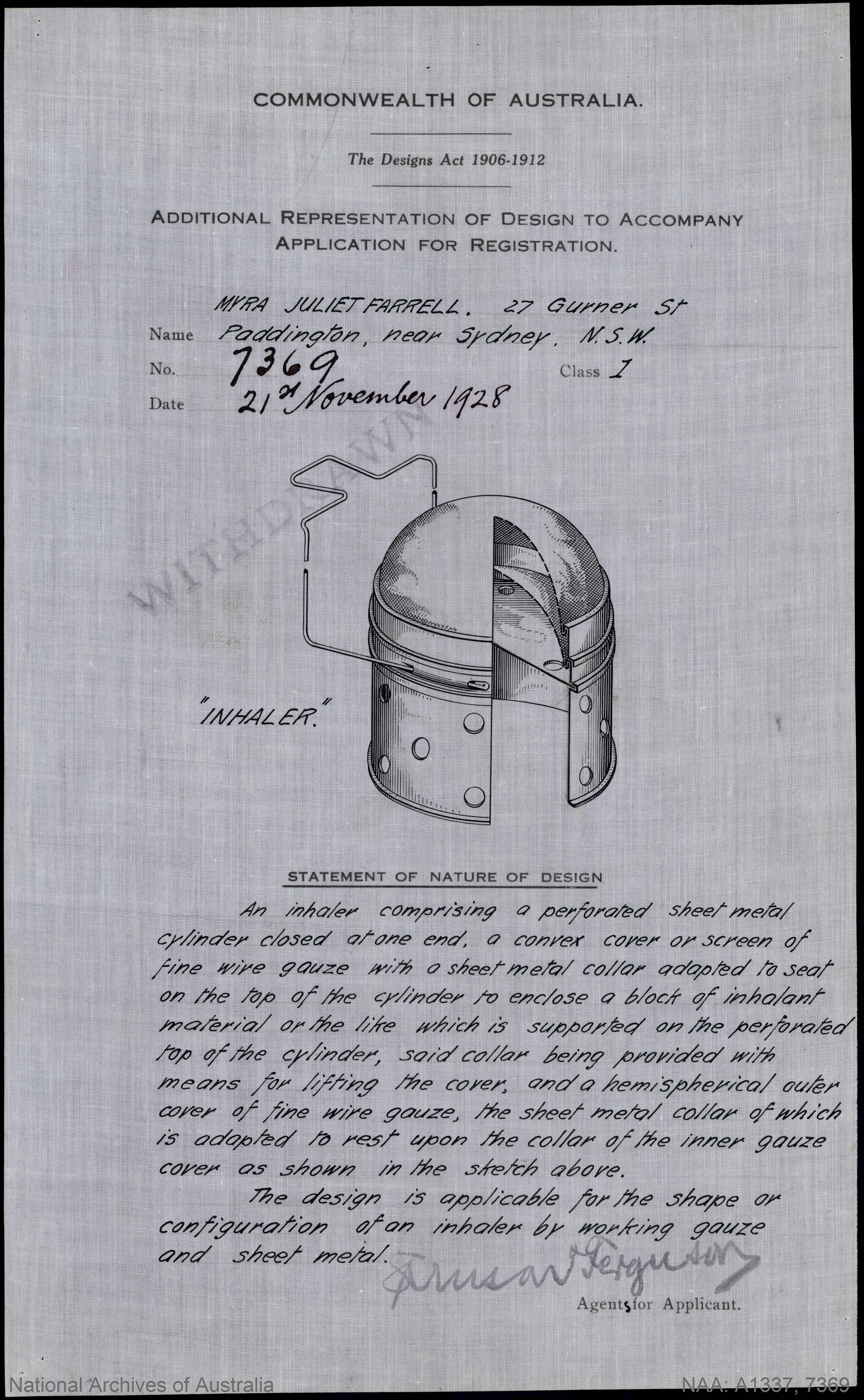
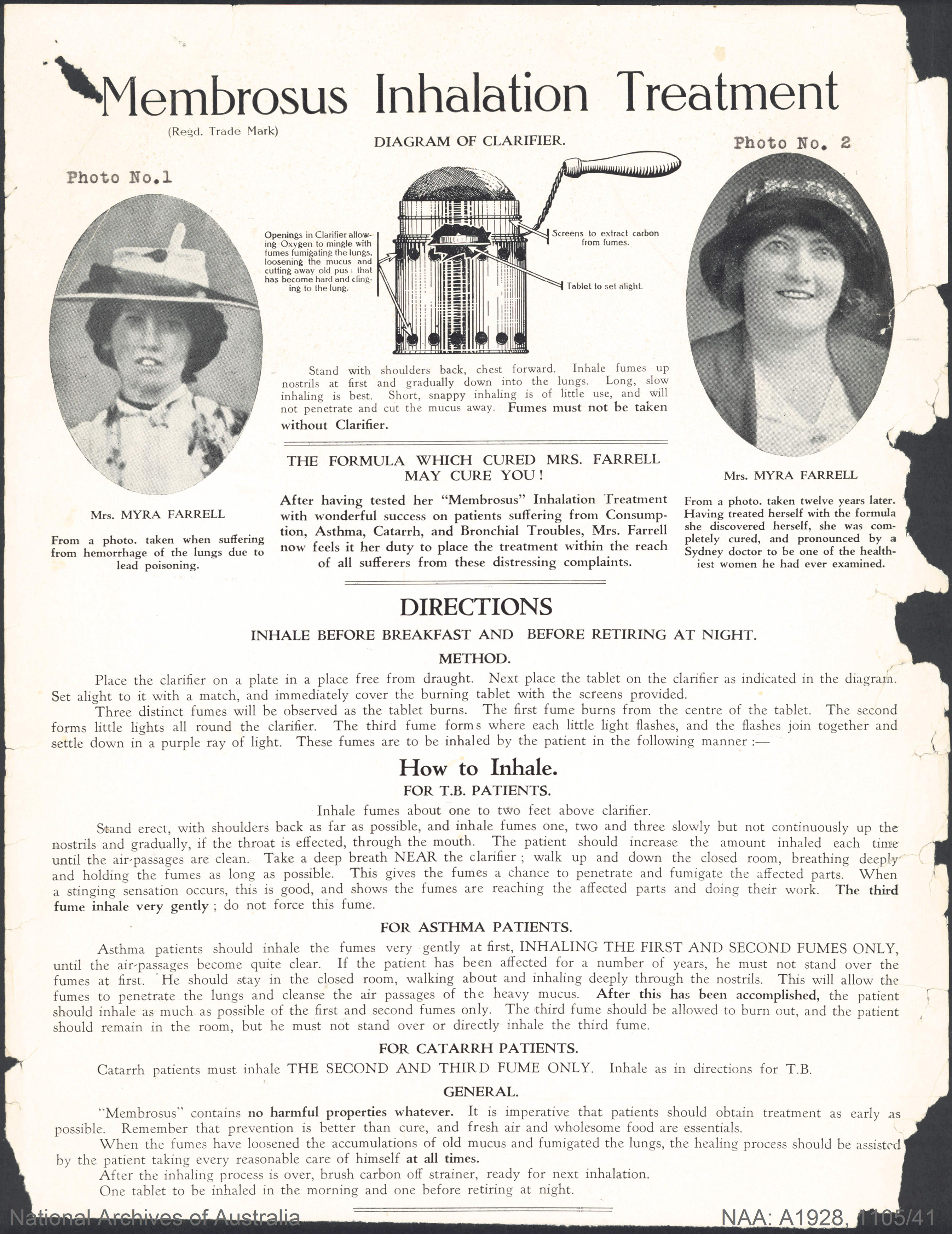
In 1905 Myra met William Taylor, who was suffering from tuberculosis. By the next year Myra's inhaler had supposedly cured him, and the pair were married. The couple had 2 children, Lavie and William.

William Senior died in 1912. In 1919 Myra married William George Farrell (yes, another William) and they had a son, named George.

Inventing in her sleep

Newspaper interviews revealed how Myra would think intensely about a problem then solve it in her sleep.

'Still sleeping she gets up and works it out on anything handy, oftentimes the wall. The workings are all backwards, but perfectly intelligible to the inventress' - Western Age, Saturday 28 August 1915.

After using a mirror to decode her nocturnal writings, Myra would make models of, and patent her inventions.

From medical to military

Myra's diverse creations included practical solutions for household and family, medical, and military needs.

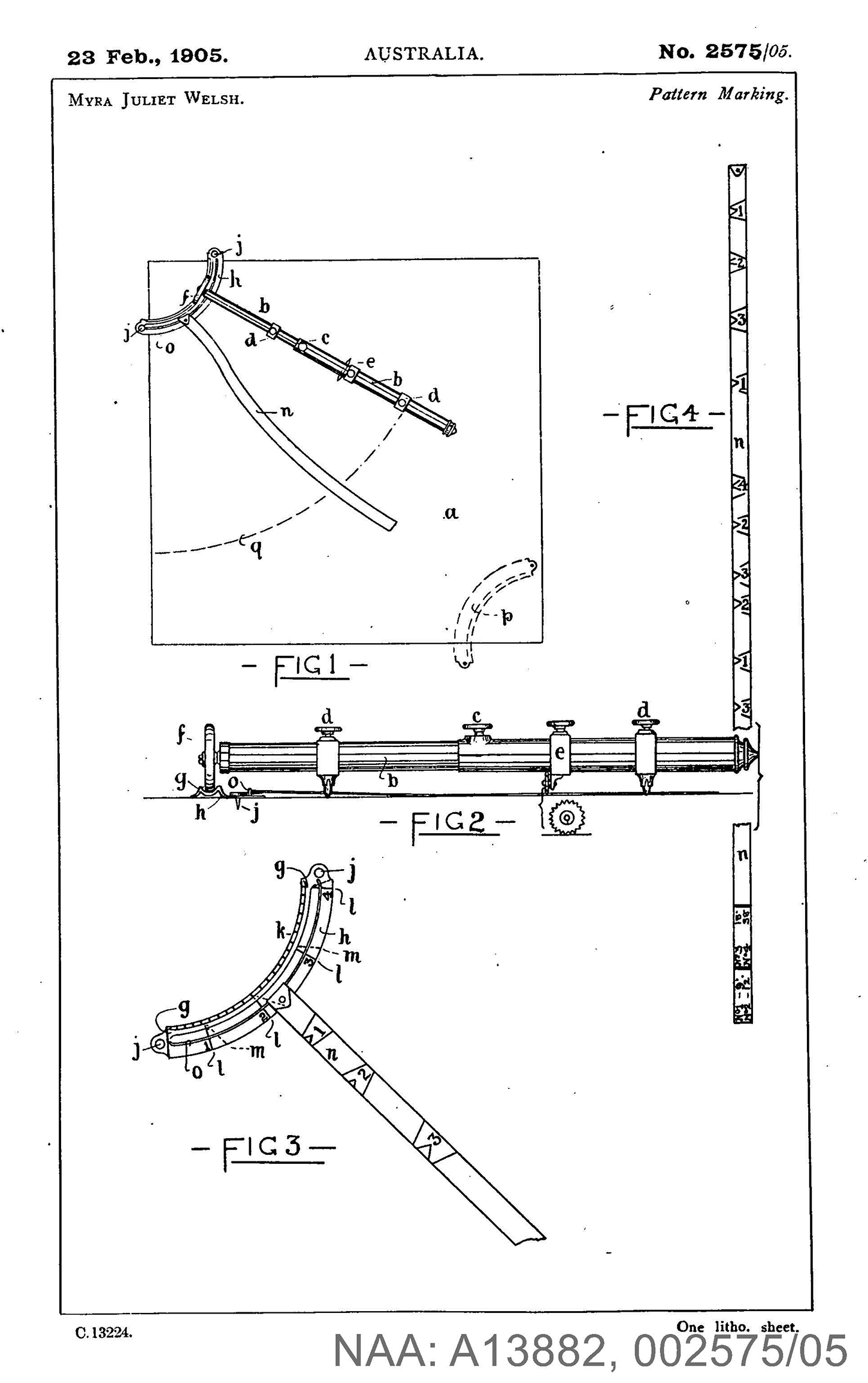
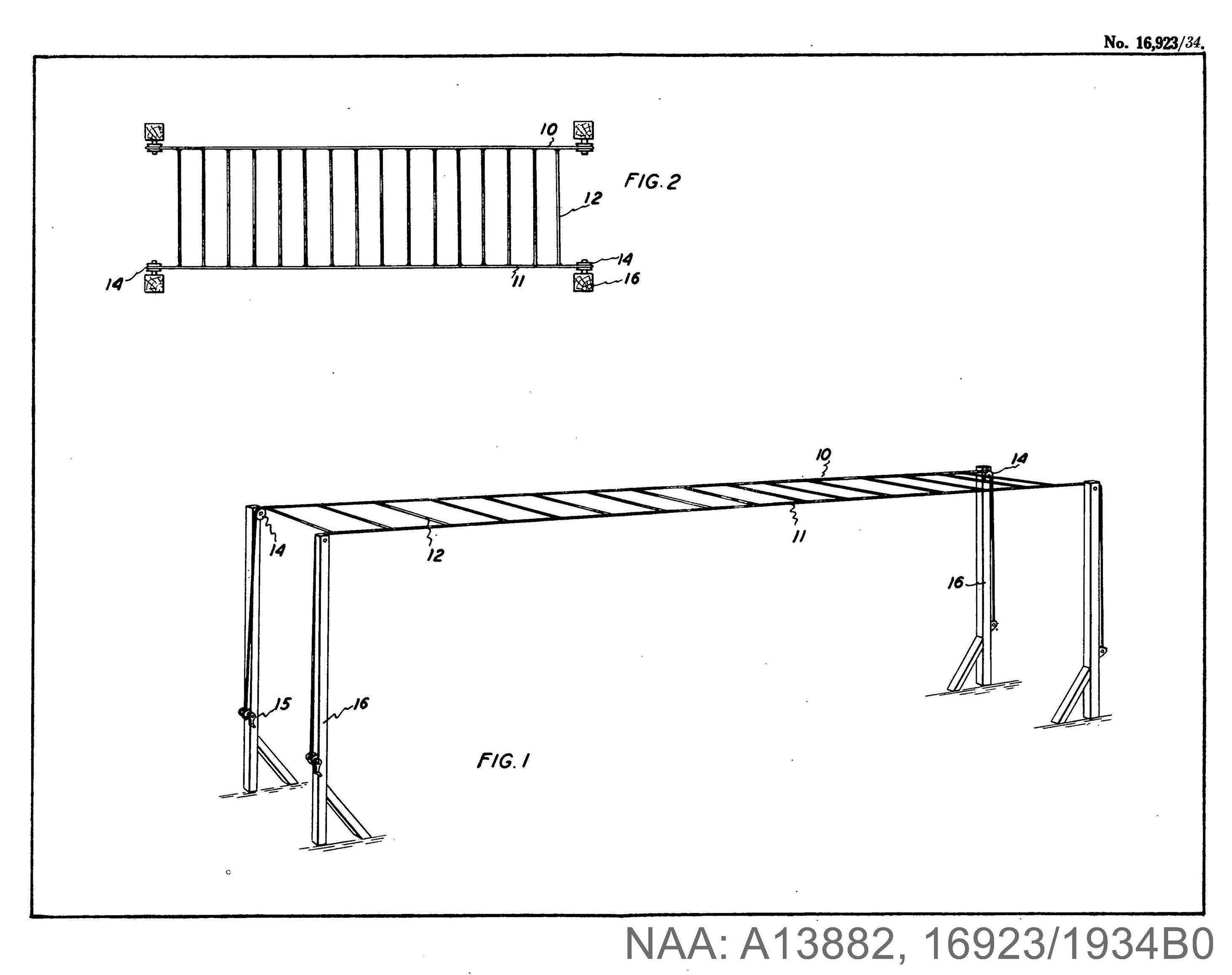
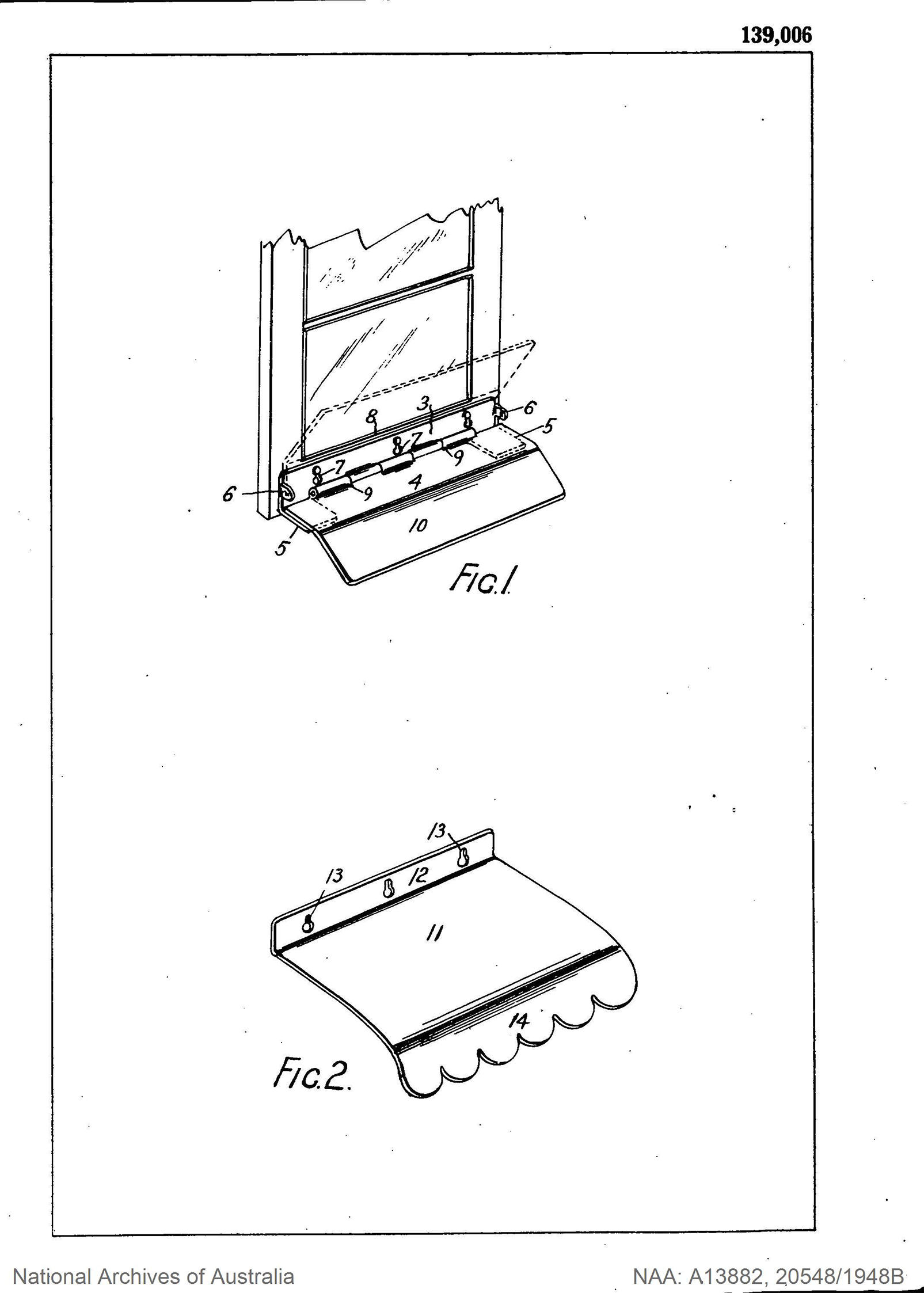
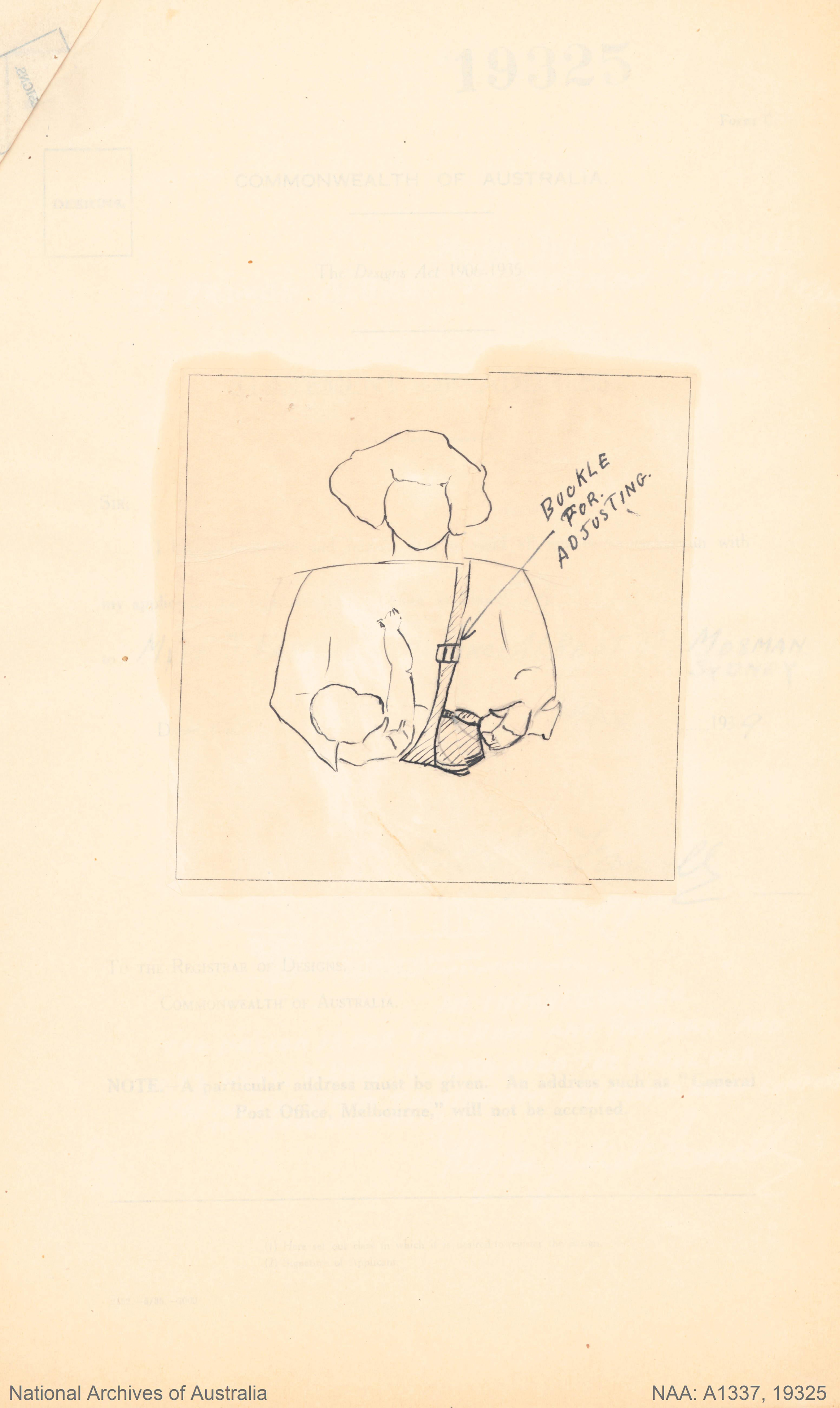
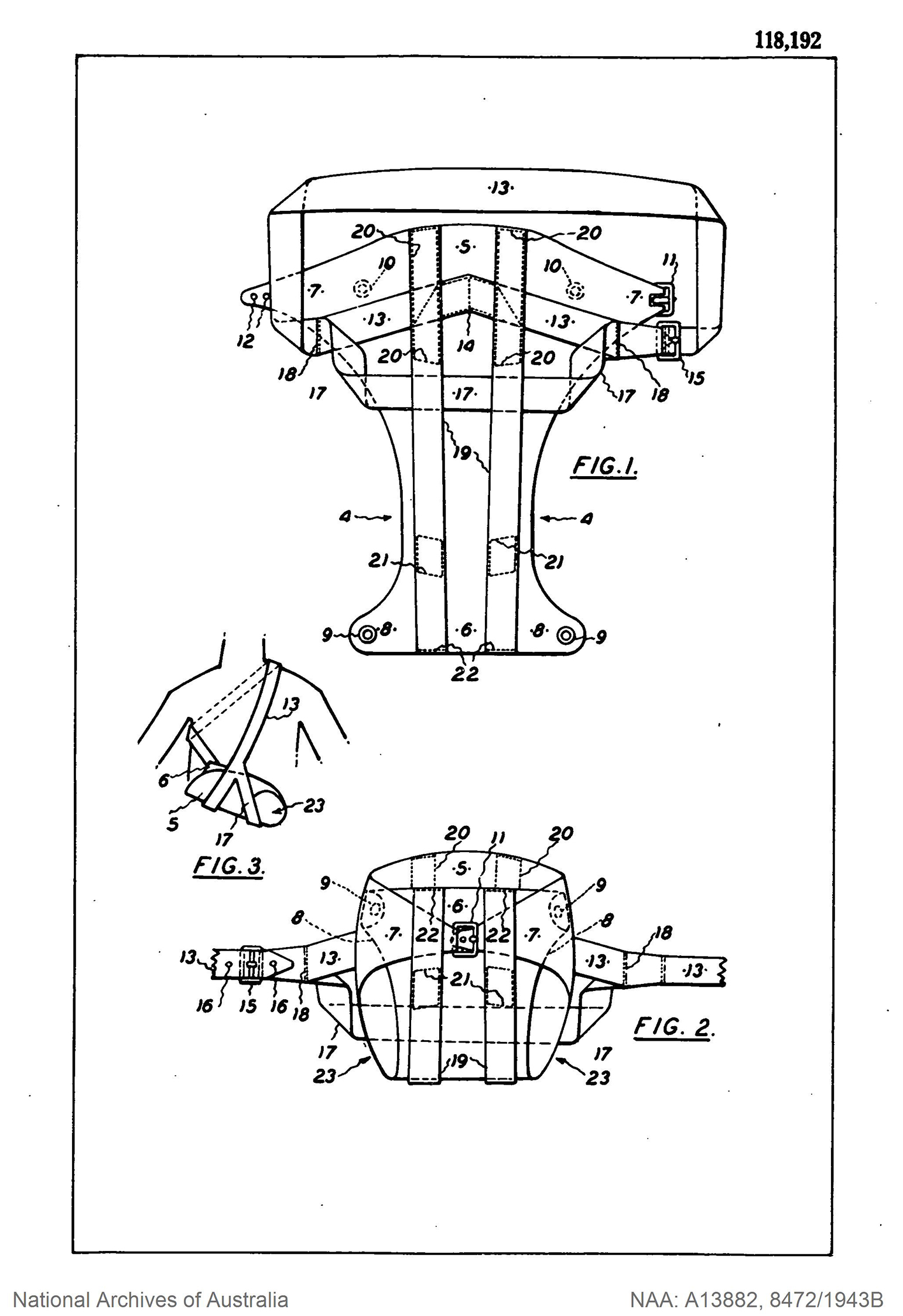
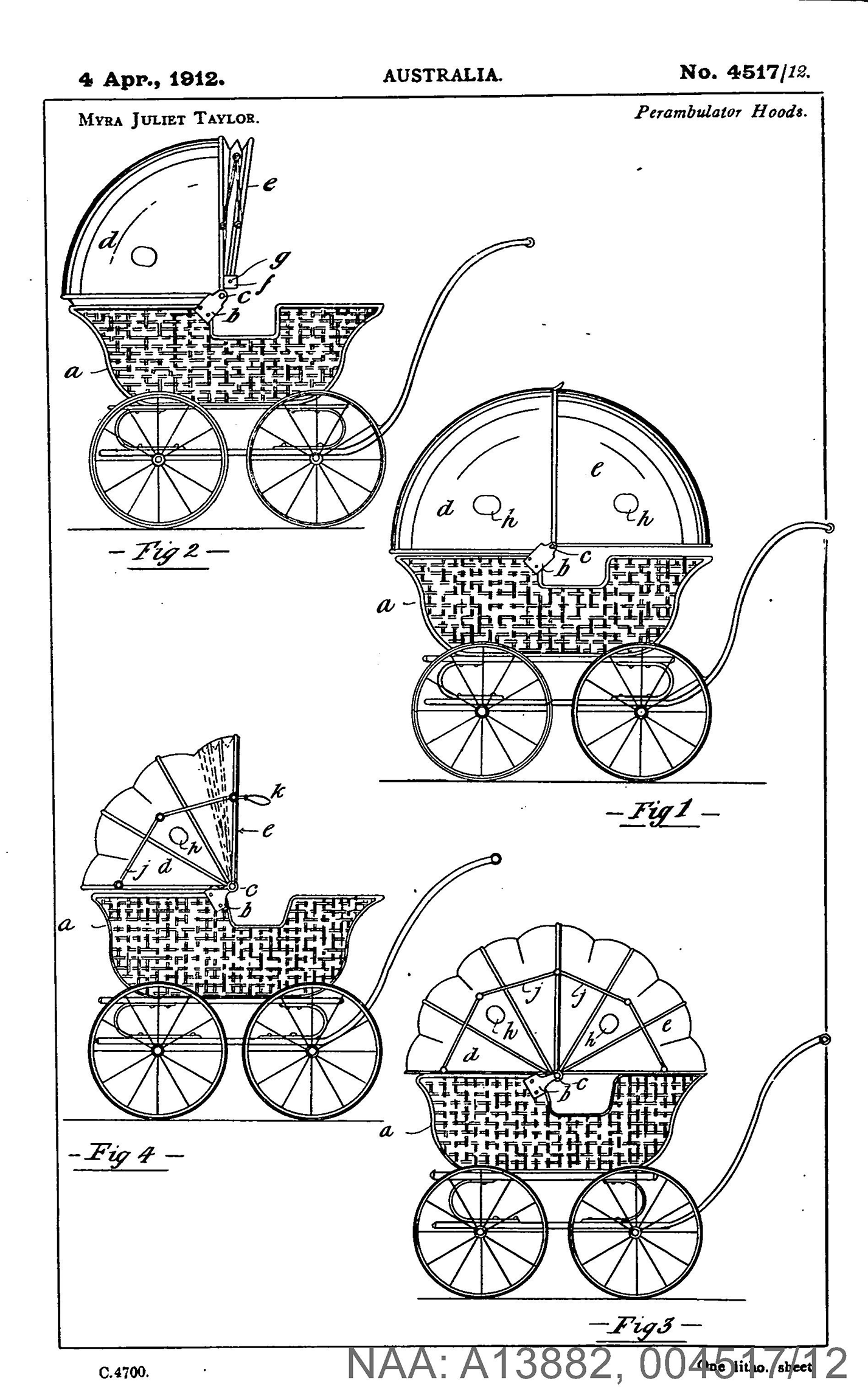
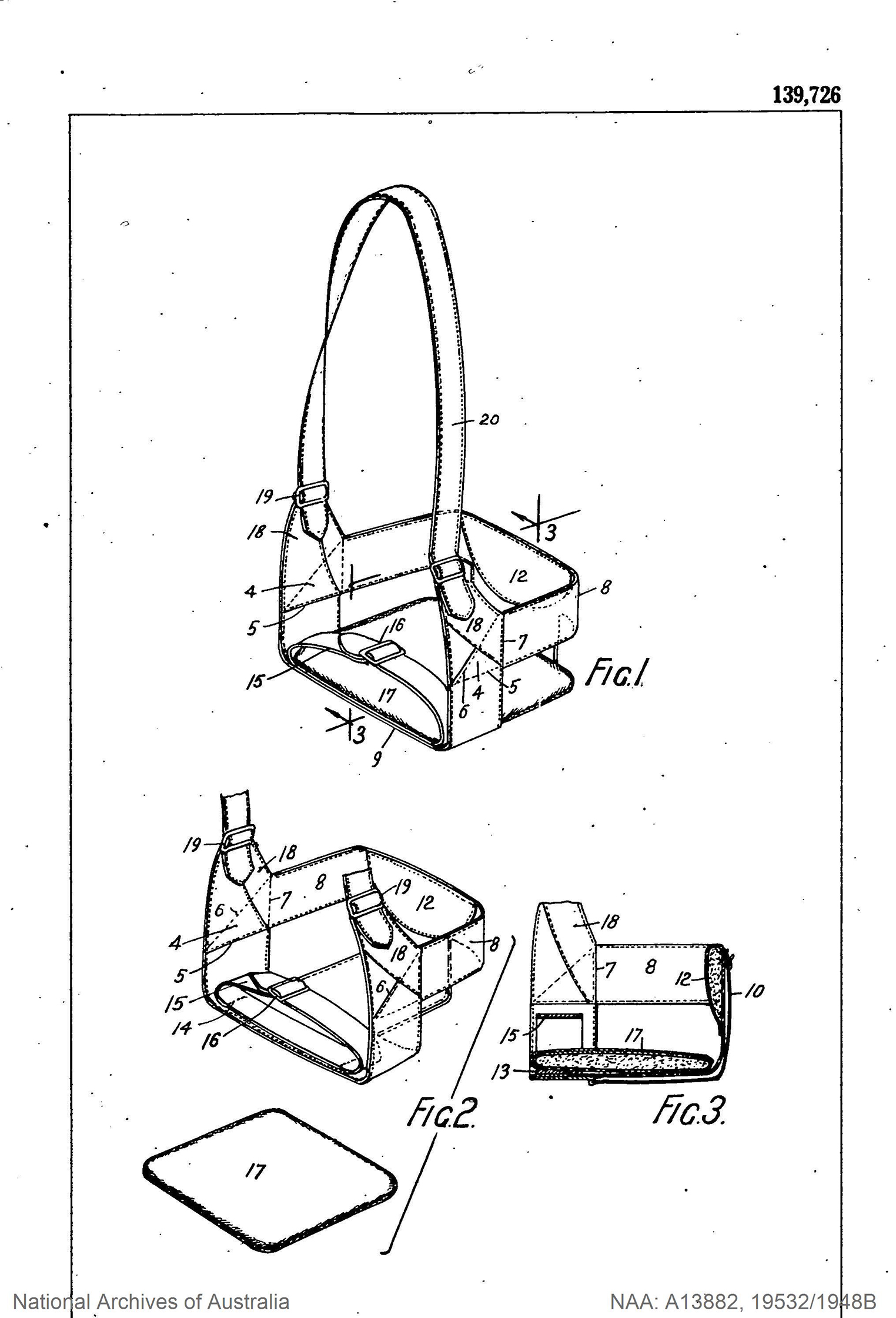
Myra's first successful patent application was for the household - a clothes pattern machine which recreated clothing patterns from books onto fabric, in any desired size. She also developed space efficient washing lines and an 'improved window weather guard'. To assist with the care and comfort of babies, she designed infant carriers inspired by marsupial's pouches, and a folding pram hood.

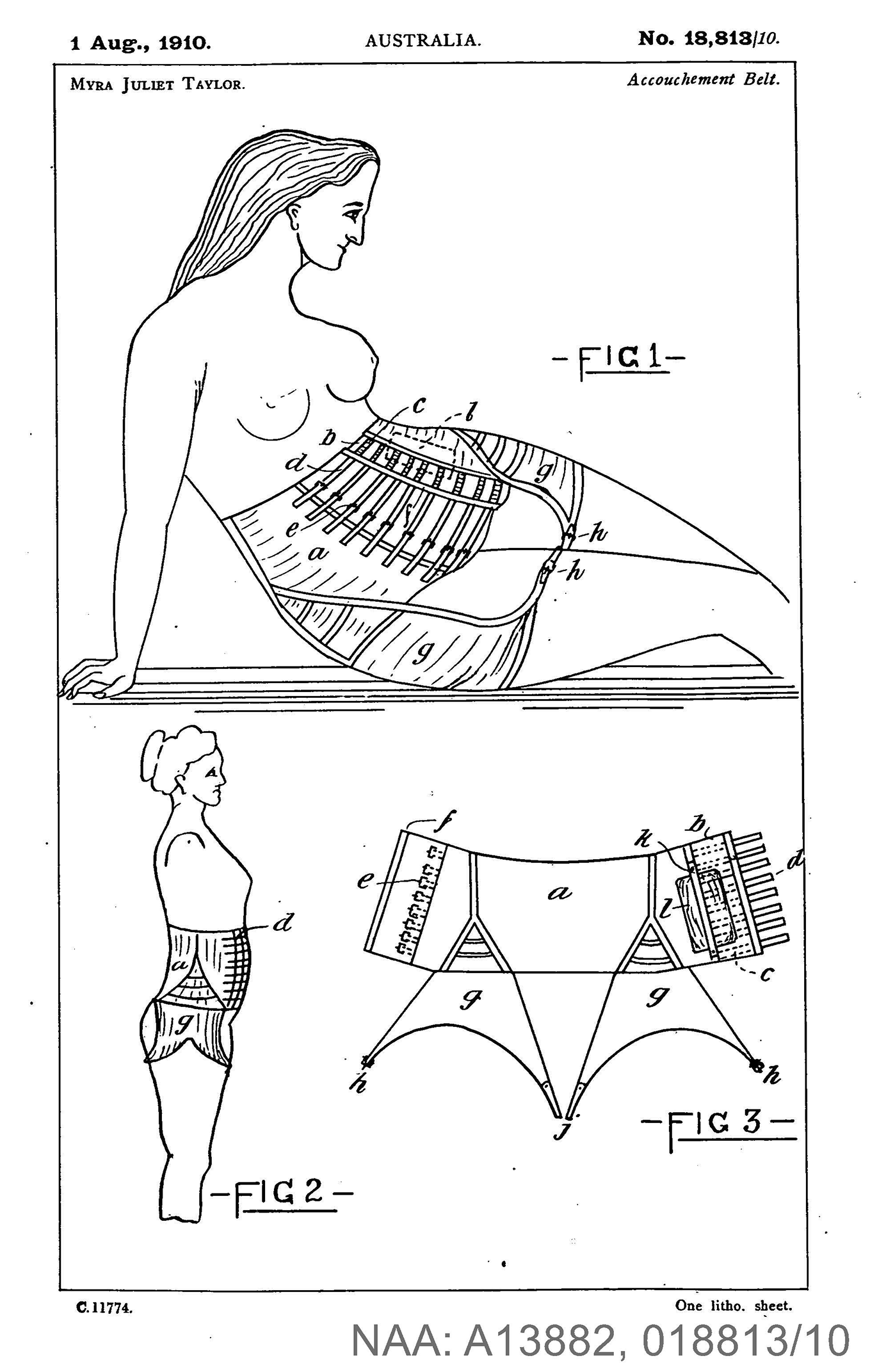
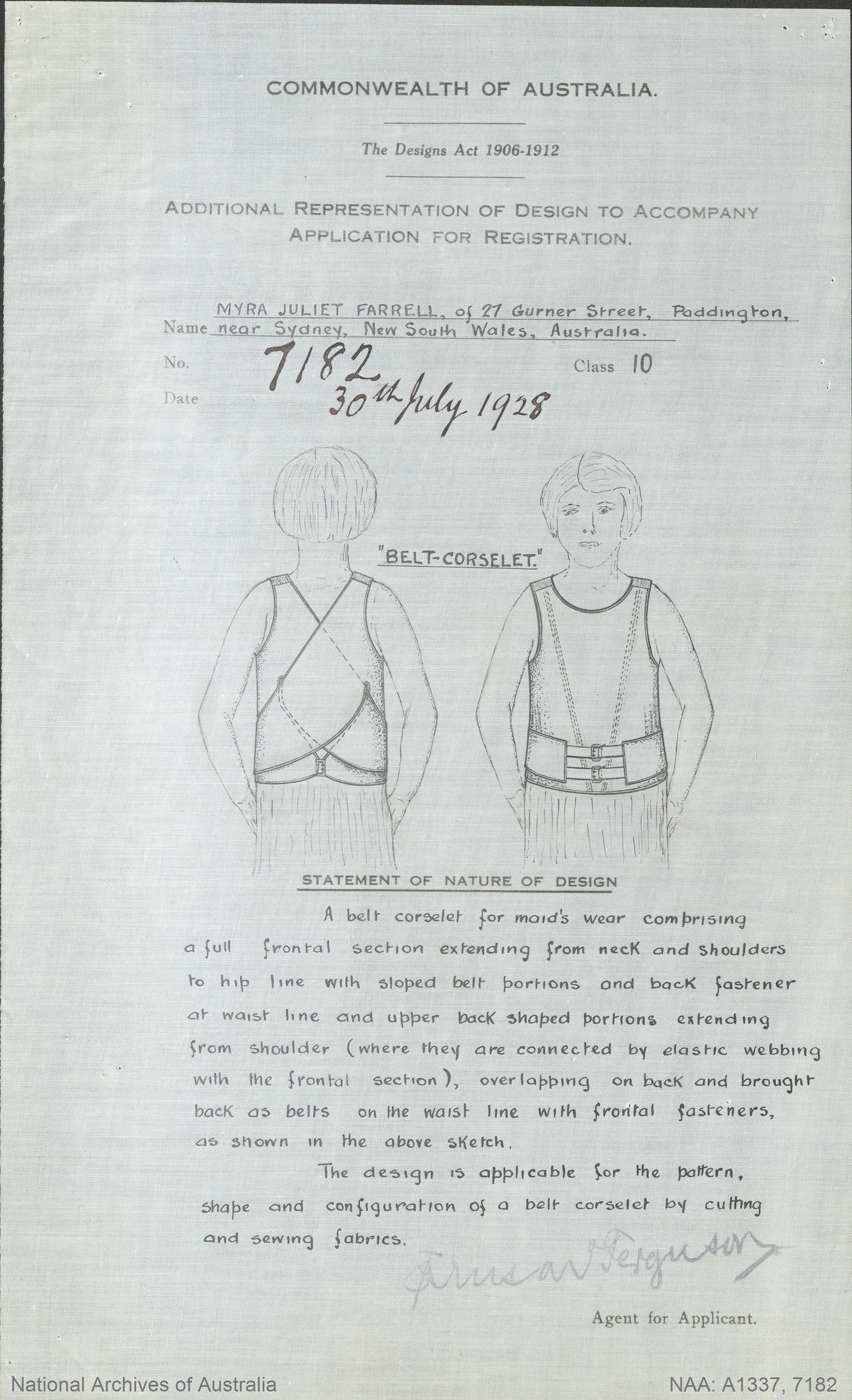
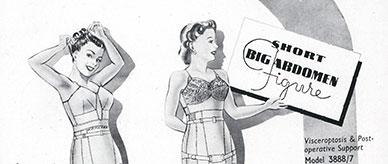
Myra's medical preparations and devices included a range of washable, boneless corsets to support women's health and accommodate the physical demands faced by working women. A non-surgical face lifter was later added to her list of patents.

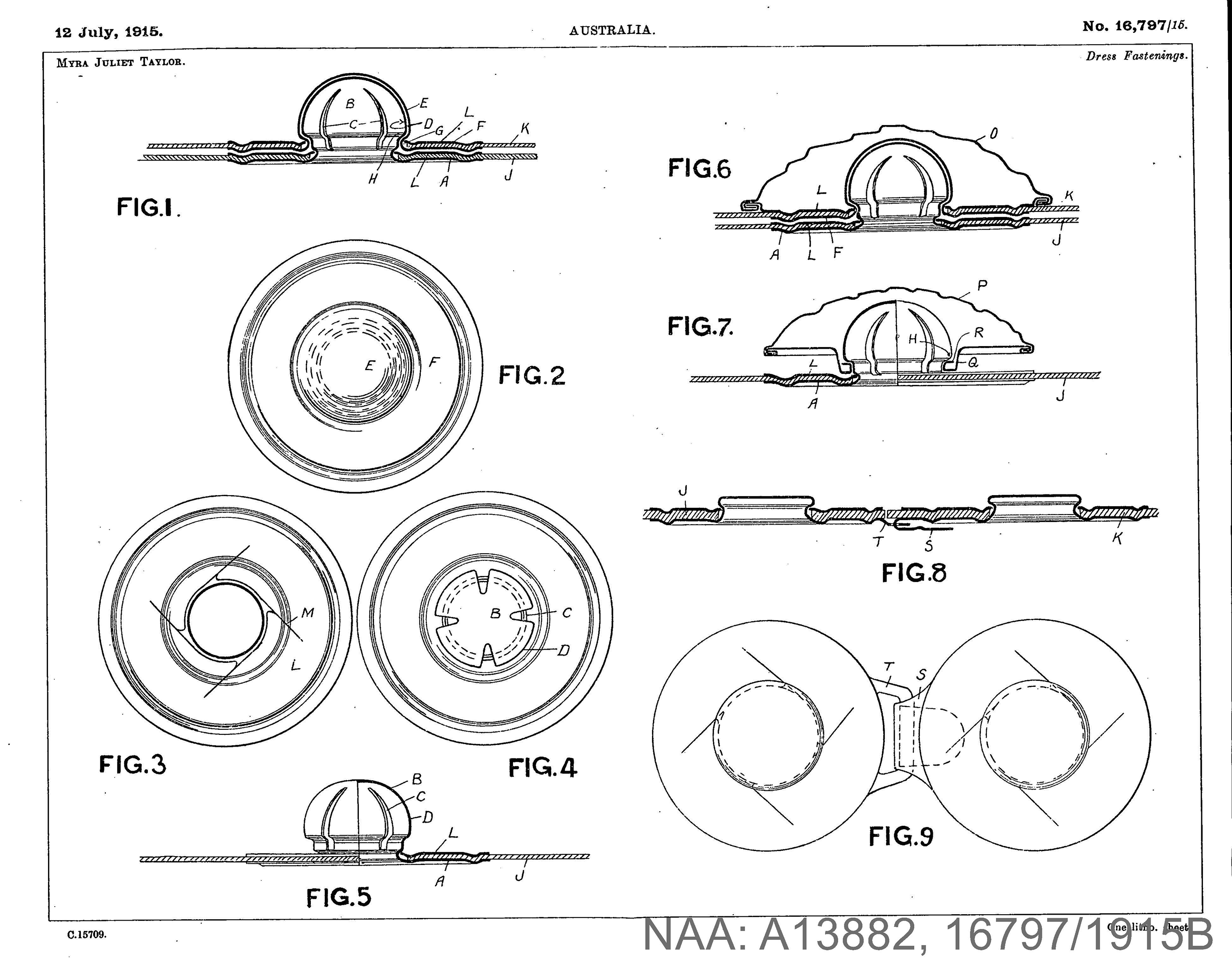
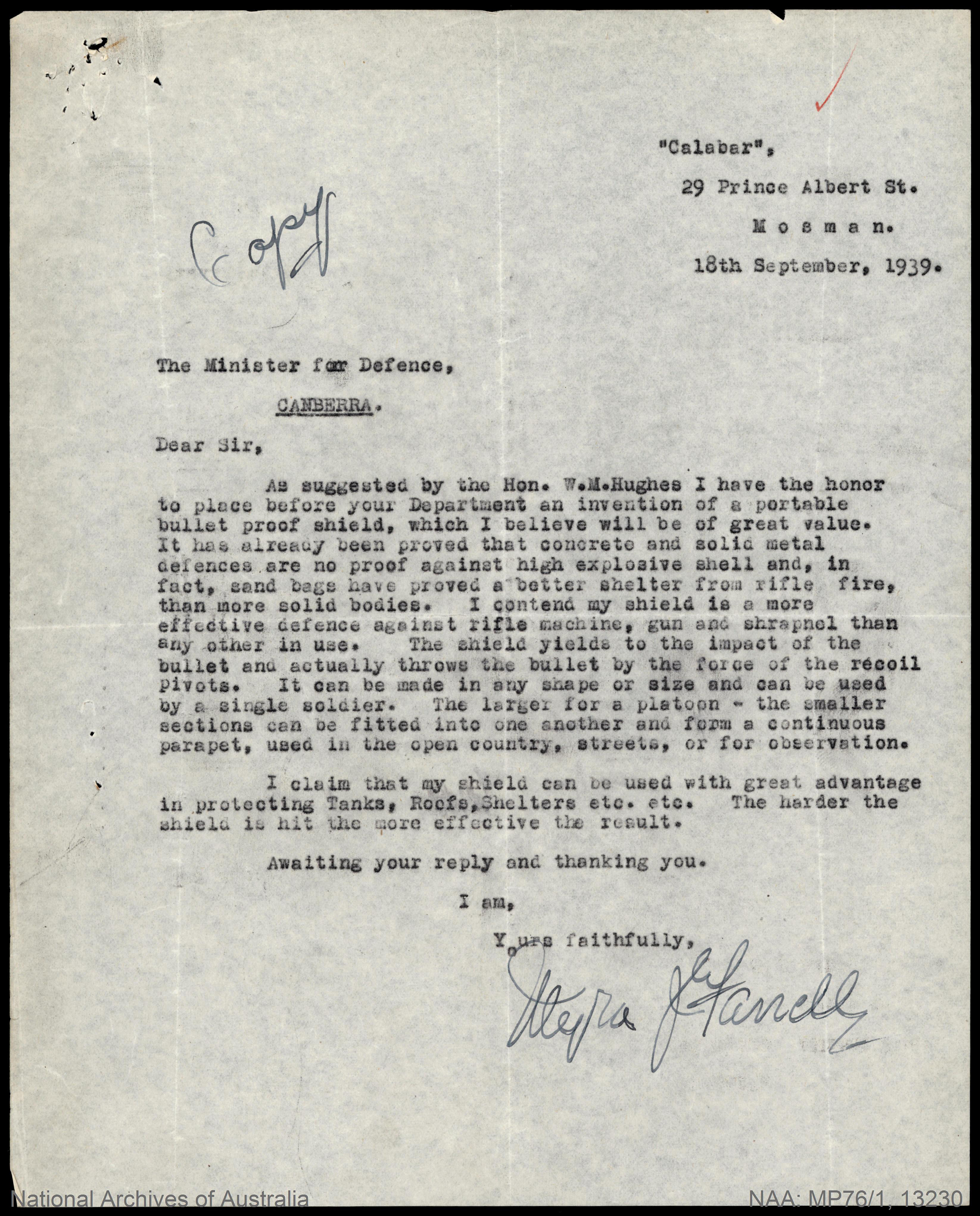
Myra initially developed a stitch-less button – or press stud - to lessen the domestic load, however during the First World War, the military authorities had it 'under consideration' for use on soldiers' uniforms. Also at this time, the Australian Department of Defence reportedly showed interest in a long-range rayless light which Myra had originally created for advertising. Ultimately, the light was not adopted, nor Myra's bullet, shell and bomb proof shield.

Remembered in the records

Myra supported her family with the income from her many and various inventions, yet her name and inventing legacy has largely faded from history.

Myra herself speculated in The Sun in 1945: 'I have never made my fortune from them because I'm not a good business woman'.

Yet perhaps there were broader structural forces, such as gender inequality or even Australia's Intellectual Property system:

'For as she rather pathetically complains, it is so difficult to get anything done in Australia, and we are so slow and cautious about assimilating new ideas. Mrs. Taylor has just cause for complaint, since it took three years’ hard work for her to get her first patent made …' - Western Age, Saturday 28 August 1915.

Myra died in 1957, but thanks to records in the national archival collection, her contributions as an inventor can be remembered.

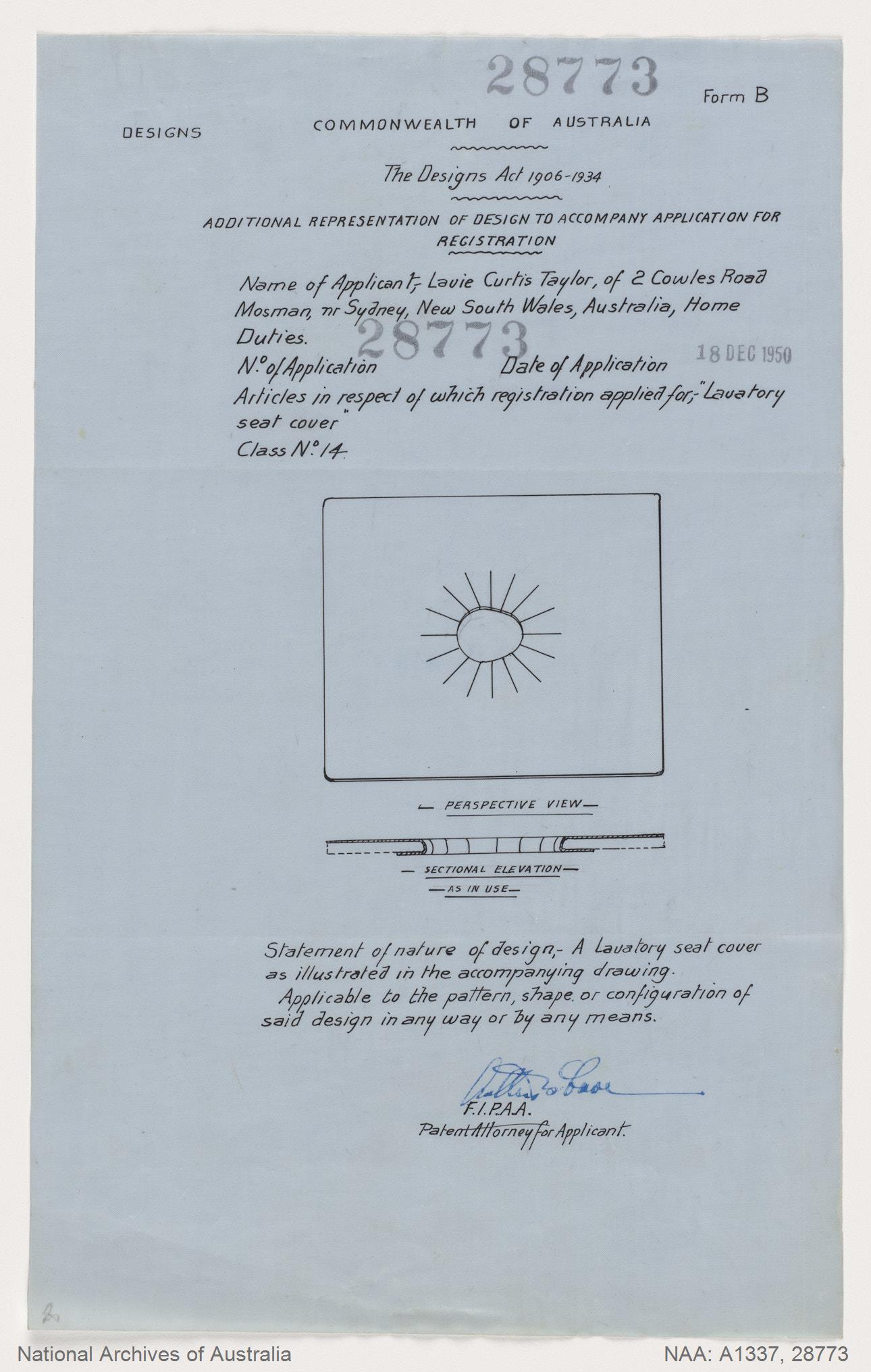
Myra's legacy also lived on in her daughter, Lavie (1907-1979). At only 8 years old, Lavie designed a one person 'speedster' surfboard for soldiers fleeing sunken battleships. She registered further patents and designs through her life – just like her mother.

For more insights into other intrepid inventors, and stories of everyday to life changing inventions, visit our exhibition In real life: inventors, innovators and opportunists now on in Canberra.

Lucie Shawcross is Assistant Curator at National Archives of Australia.