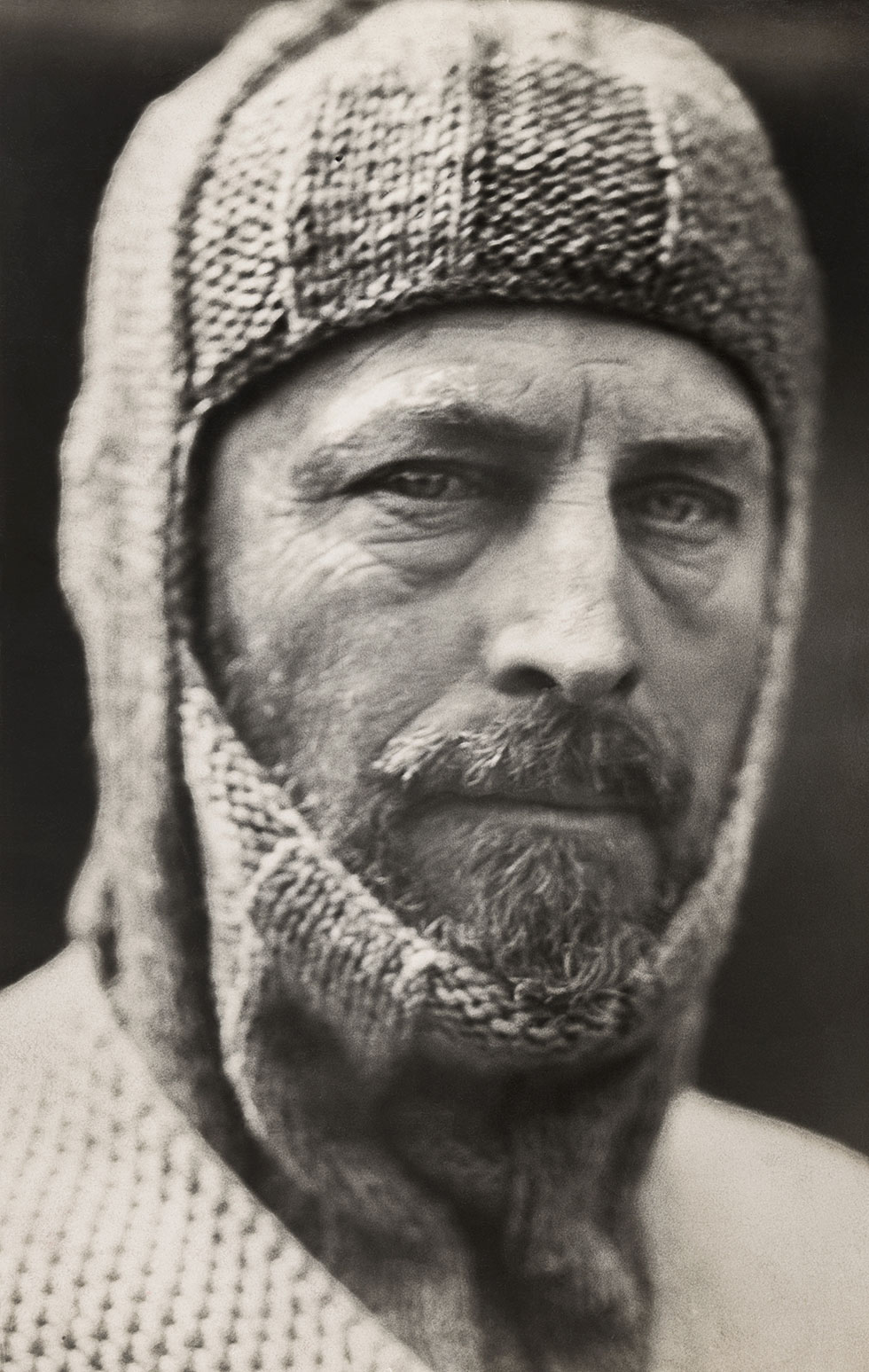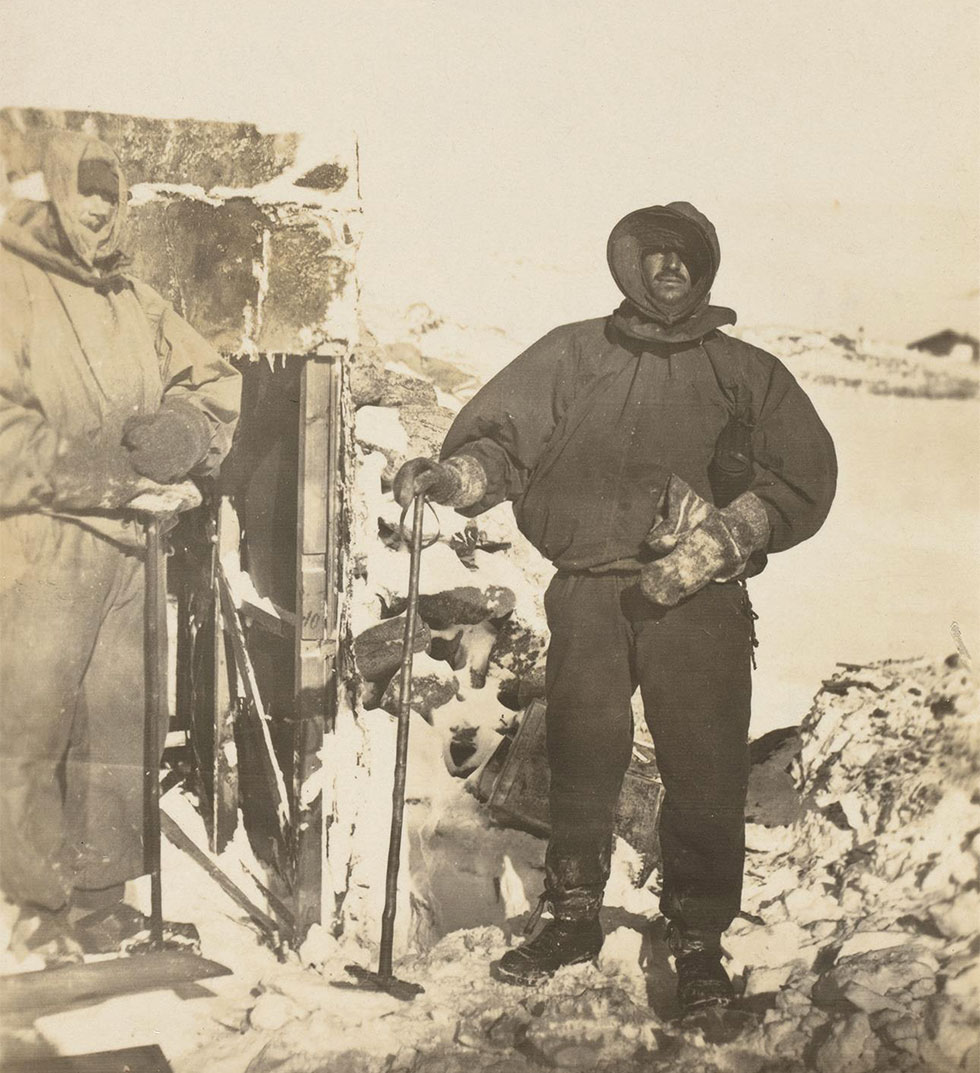
It takes a certain type of adventuring spirit to head to one of the most desolate and harrowing continents in the world. Pioneering Australian photographer, Frank Hurley, didn't just go once. He visited Antarctica 6 times between 1911 and 1932. He was a key part of the famous Douglas Mawson and Ernest Shackleton expeditions, between 1911 and 1917, that aimed to map and explore the continent.
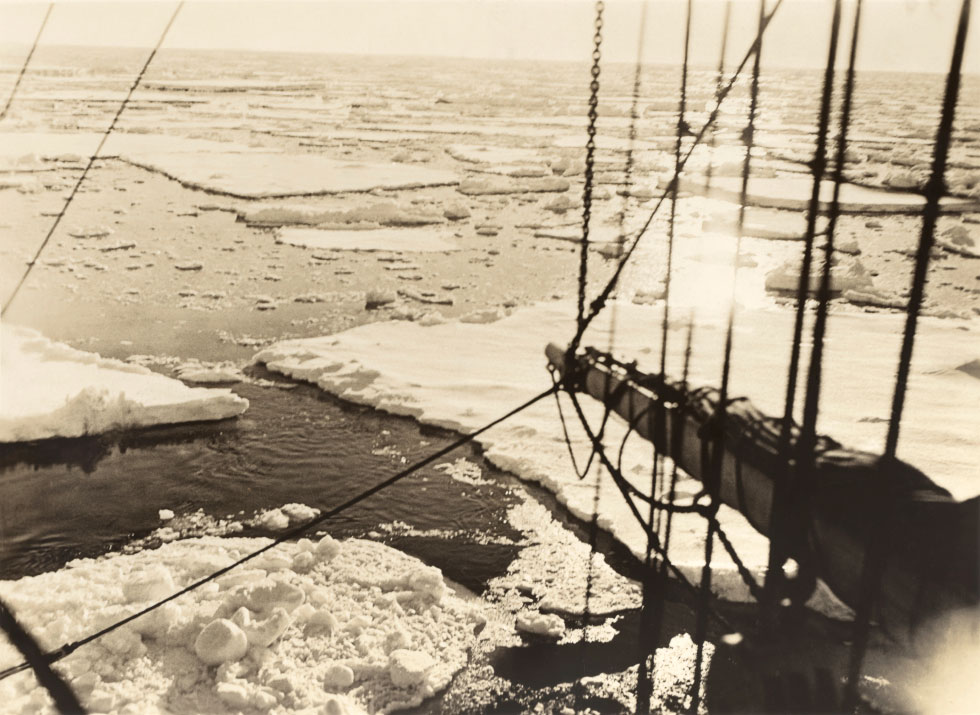
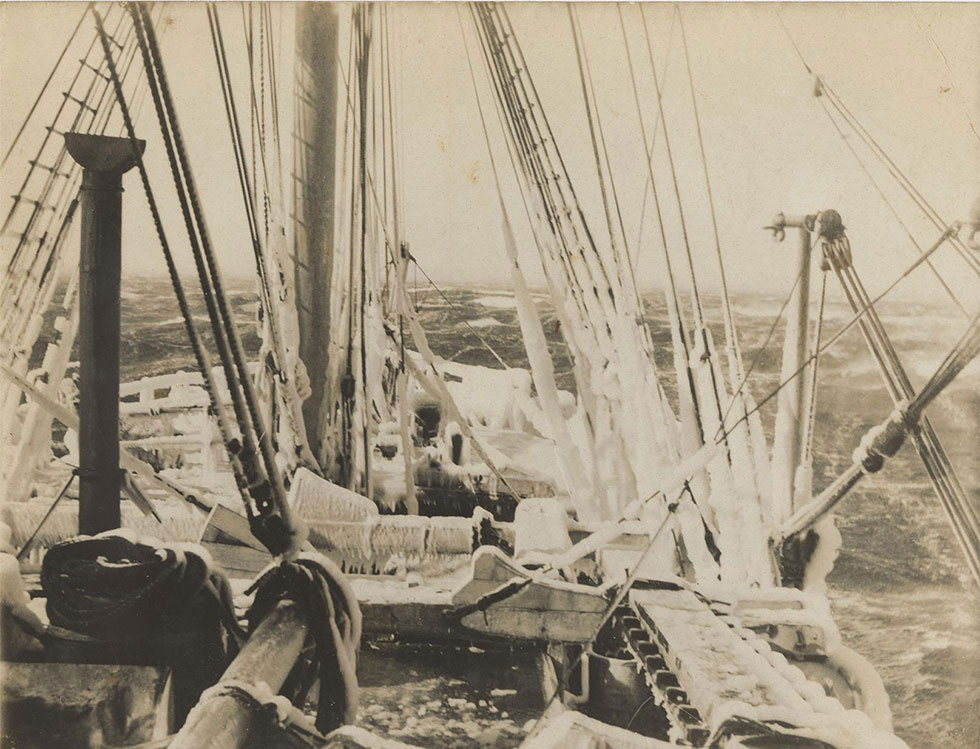
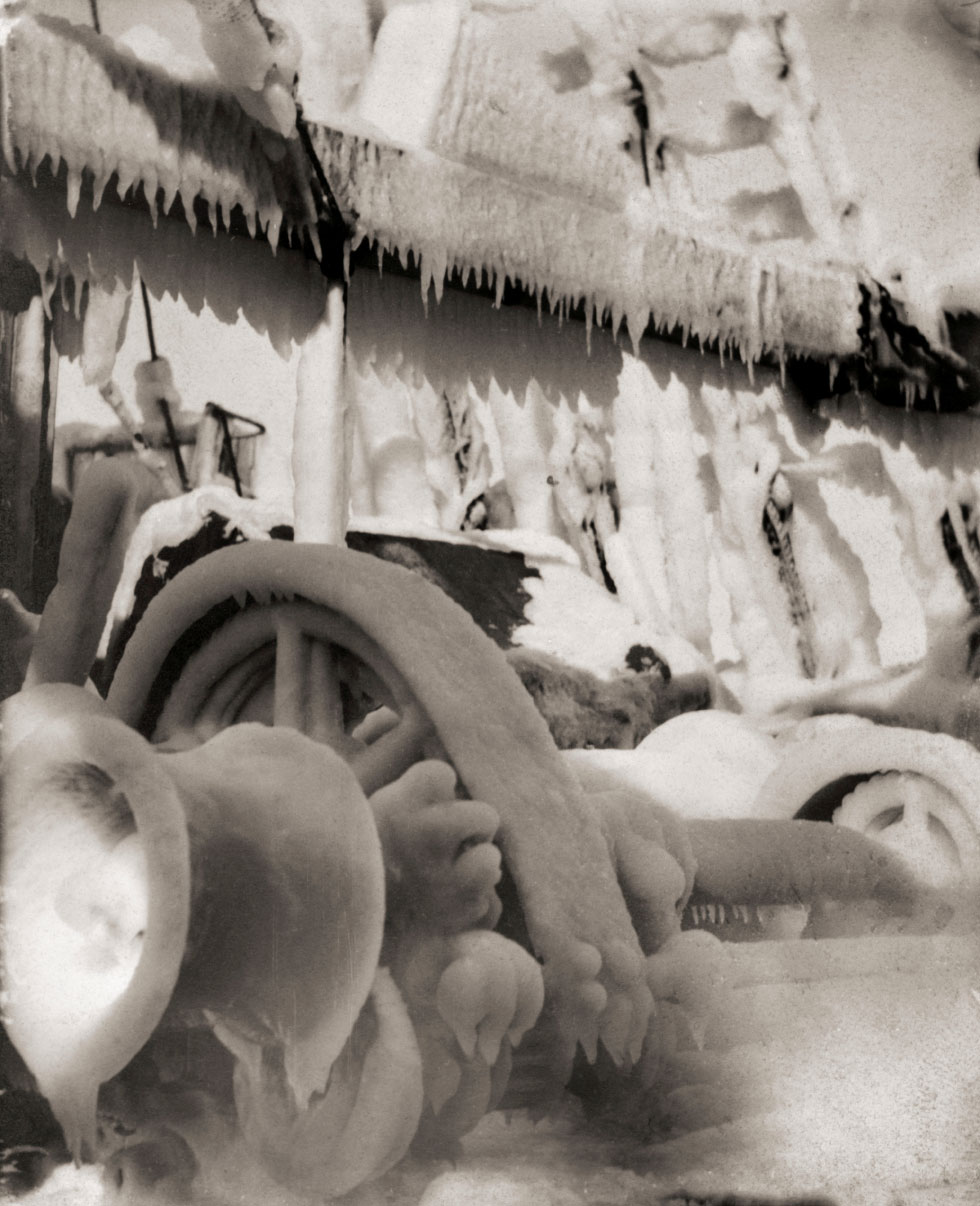
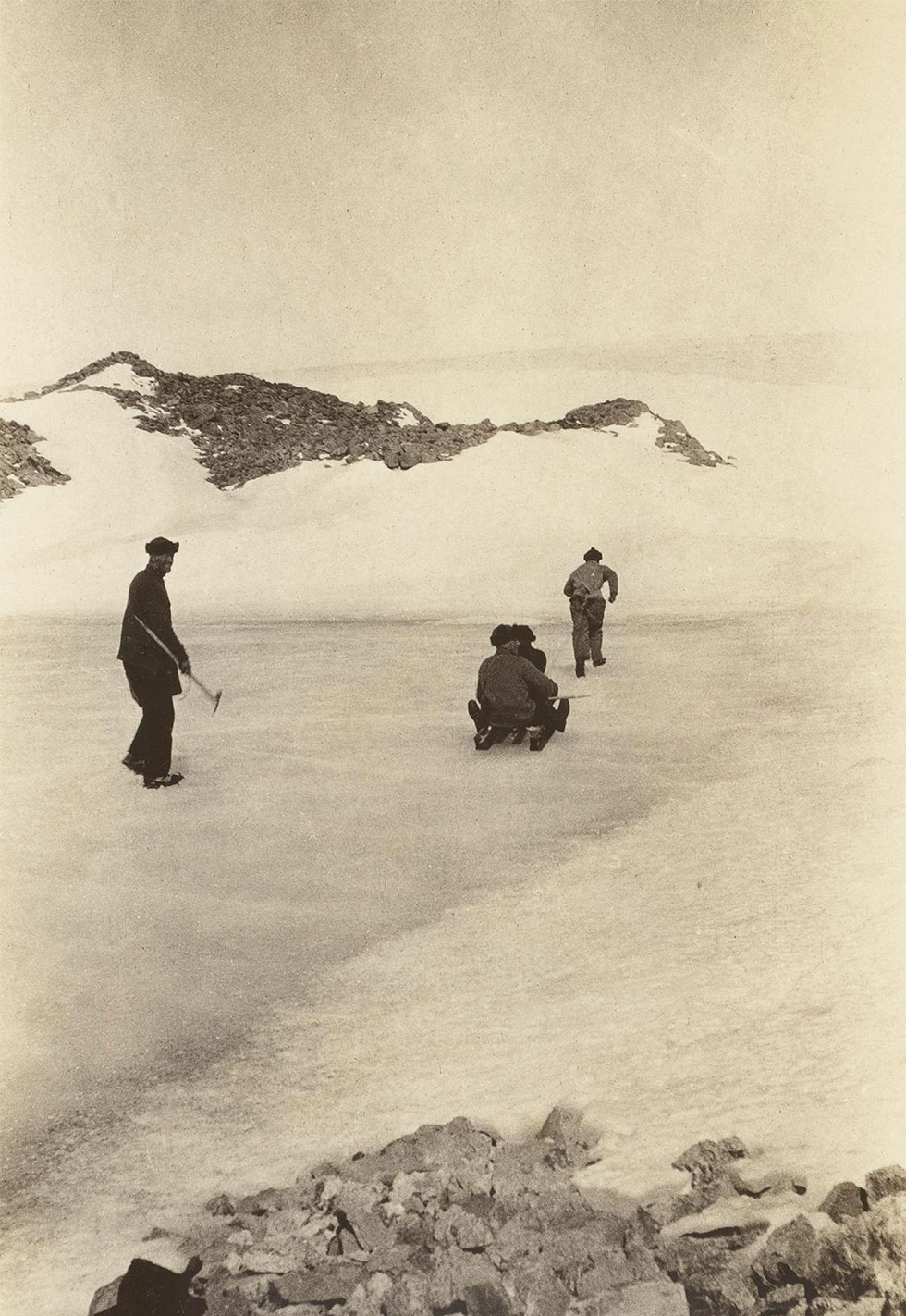
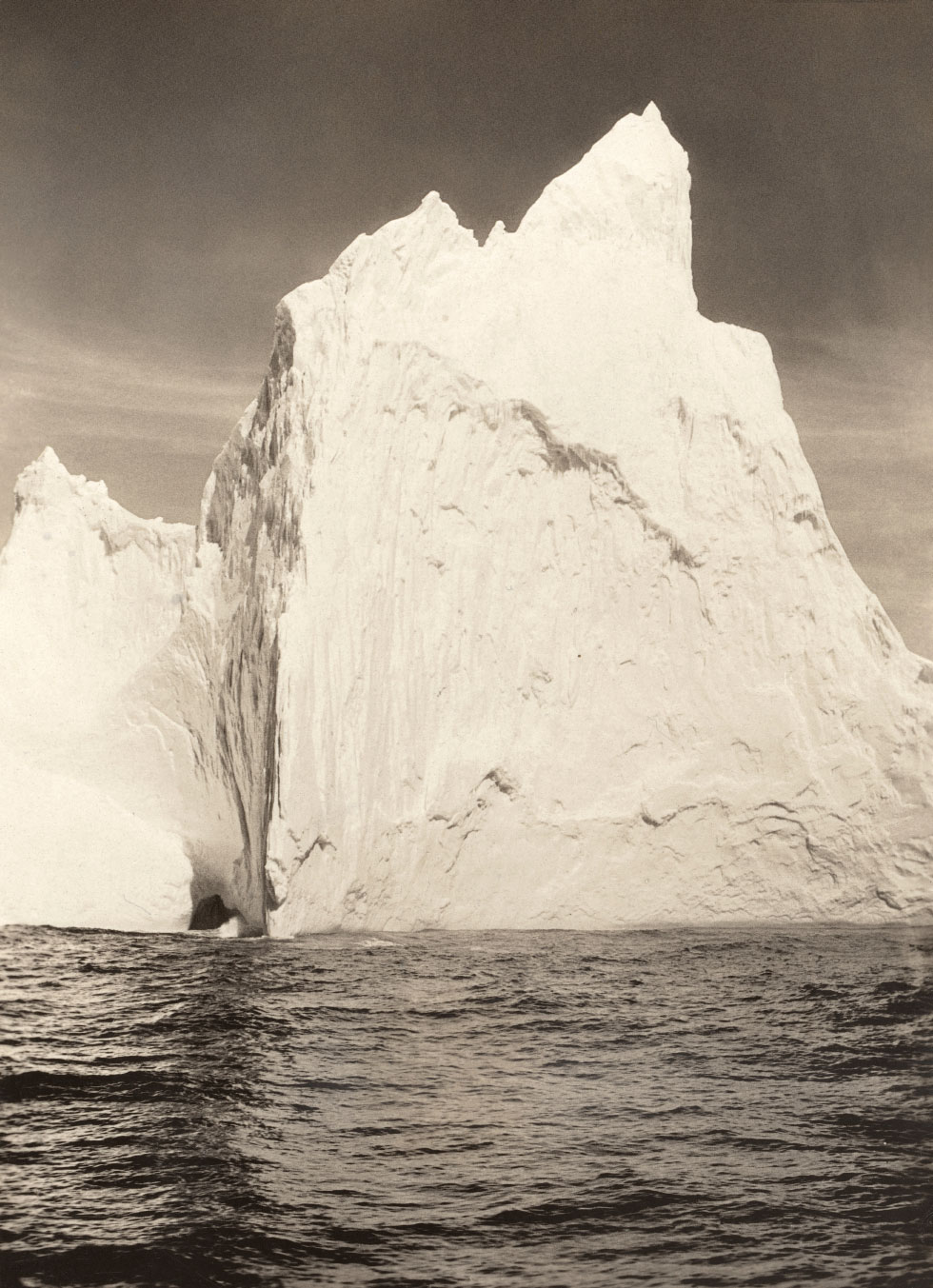
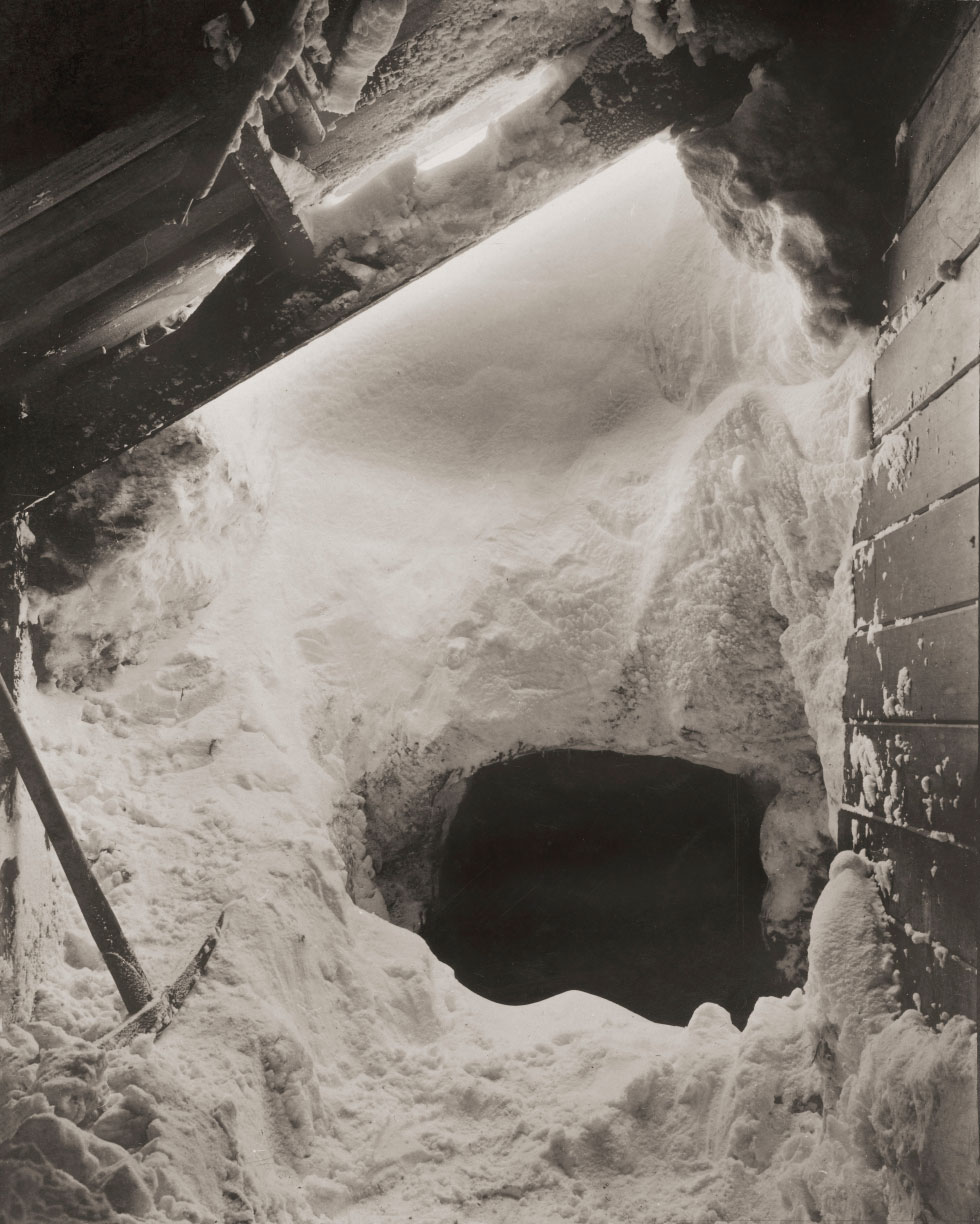
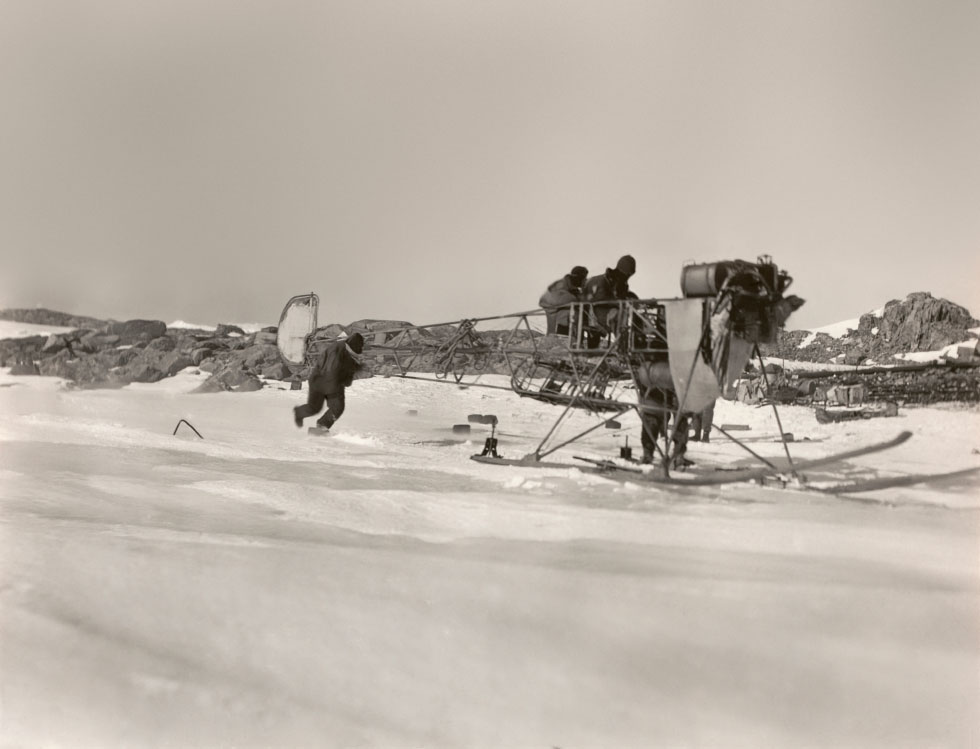
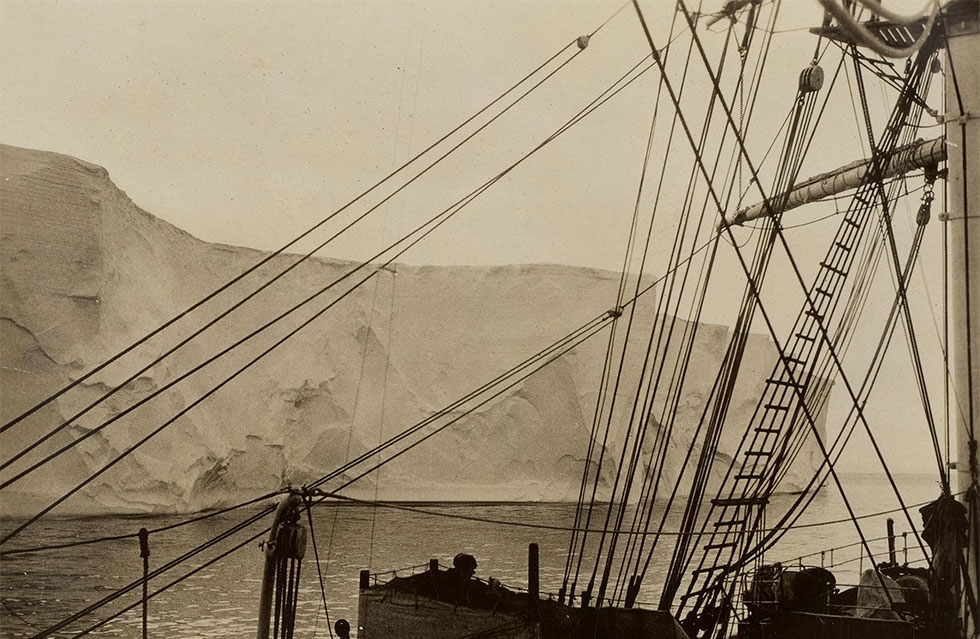
His stunning, iconic photographs and films, taken in truly difficult conditions, captured the world's imagination. You can find many of them in the national archival collection using PhotoSearch. These fascinating images really transport you to those harsh times, where explorers struggled through blinding blizzards and formidable ice formations. You can feel the whipping wind and the bone-chilling, frosty air.
A treasure trove for the Archives
In 2023, the Australian Antarctic Division collaborated with National Archives to transfer a huge collection of never-before-seen records to our custody. This collection includes hundreds of photographs, glass plate negatives and lantern slides. Much of it has been digitised and is available to the public, giving a bird's eye view into these remarkable adventures in a frosted wilderness.
From steel fitter's apprentice to extreme photographer
Frank Hurley was a steel fitter's apprentice who bought his first camera at 17 years old. It was a life changing moment as he eagerly taught himself how to use the camera. He started his photographic career at 20, taking photos for postcards. But a far more adventurous career beckoned.
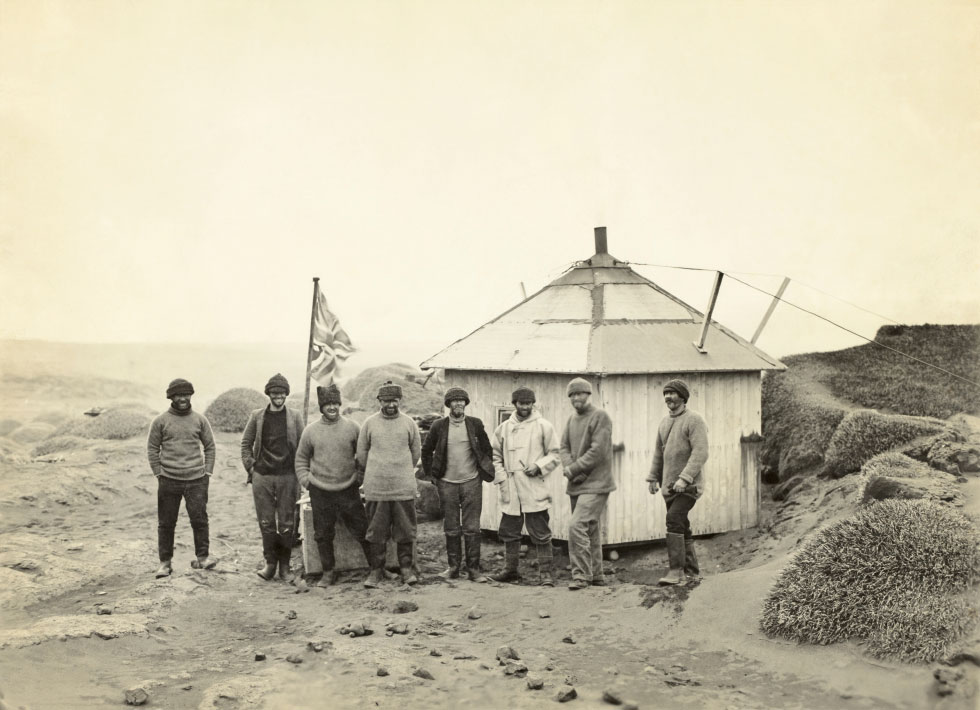
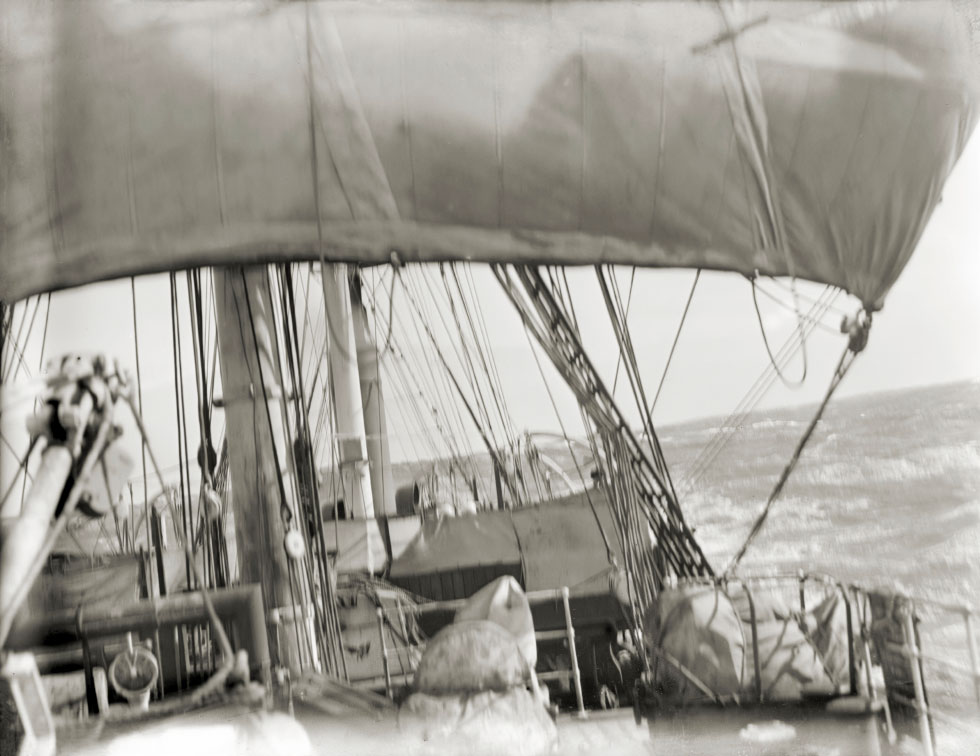
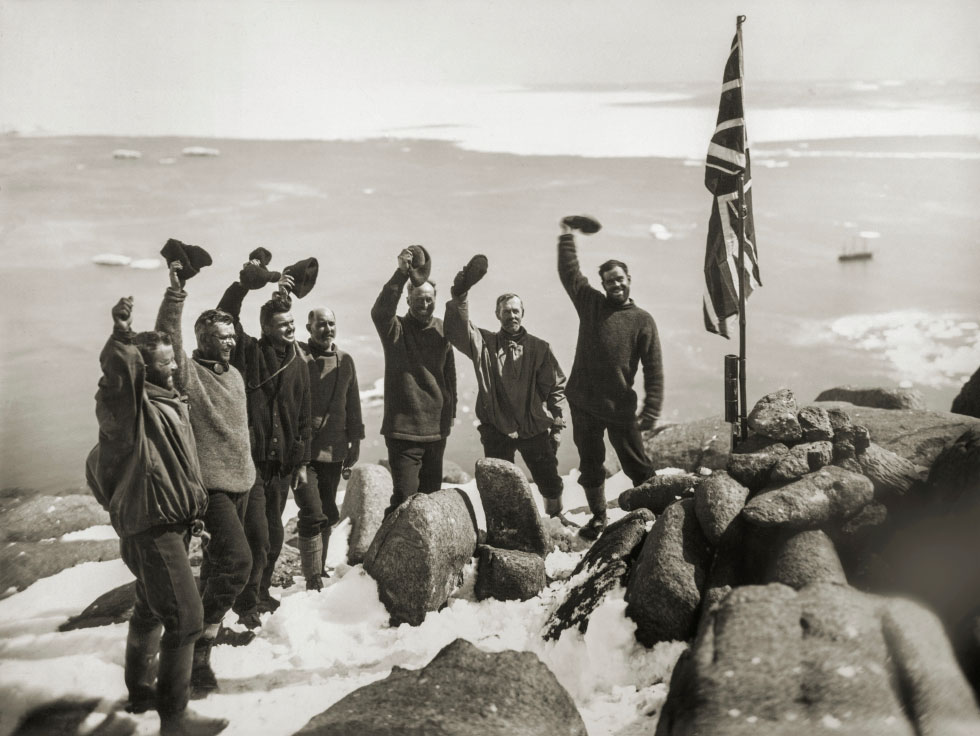
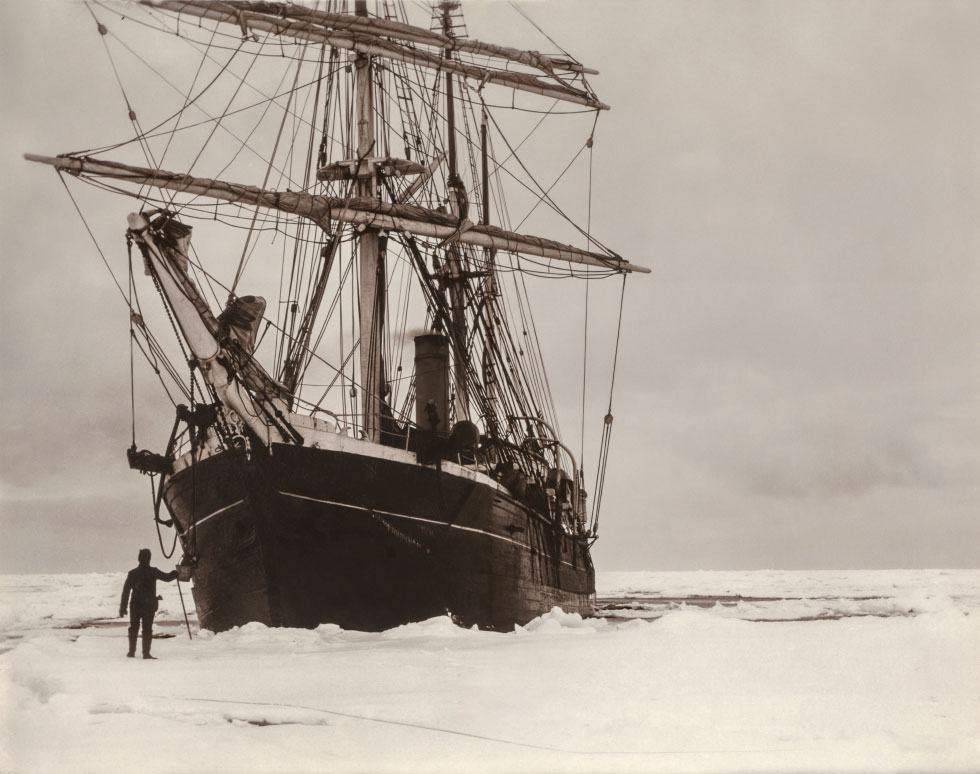
At 23, Frank Hurley cornered Douglas Mawson on a train, and talked Mawson into letting him come along on his upcoming Antarctic voyage. Hurley became the official photographer for the expedition, which lasted from 1911 to 1914. The Australasian Antarctic expedition used the ship SY Aurora, commanded by Captain John Davis. Its mission was to map the Antarctic coastline as well as carry out scientific and geological research. Yet the expedition did not go smoothly.
The final frontier
In the early twentieth century, Antarctica was one of the last unexplored regions of the Earth. The public was enthralled by the stories of those hardy humans who attempted to conquer it. It was like the Moon landing of its time.
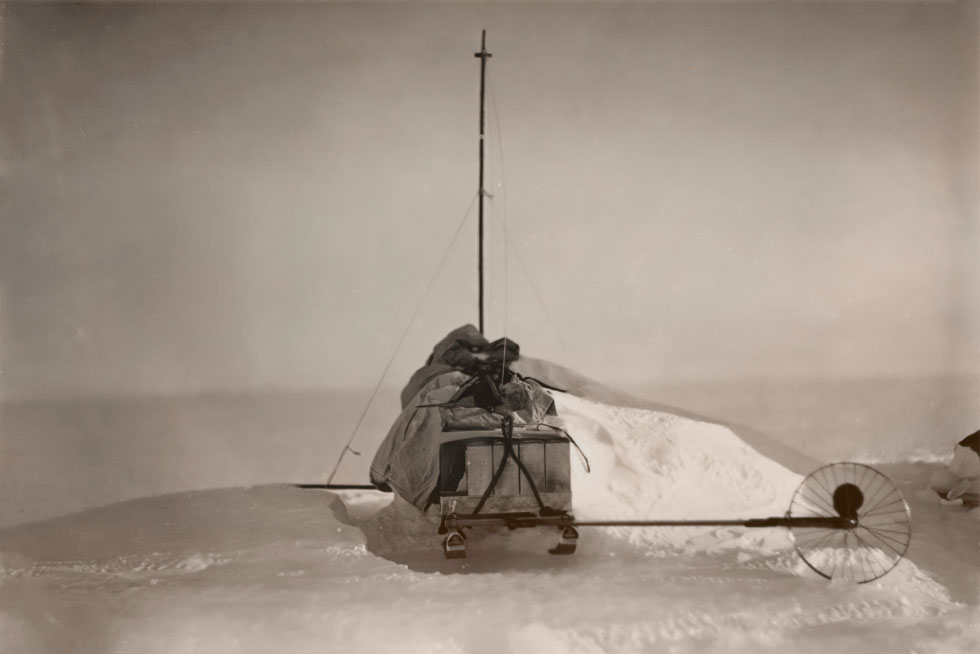
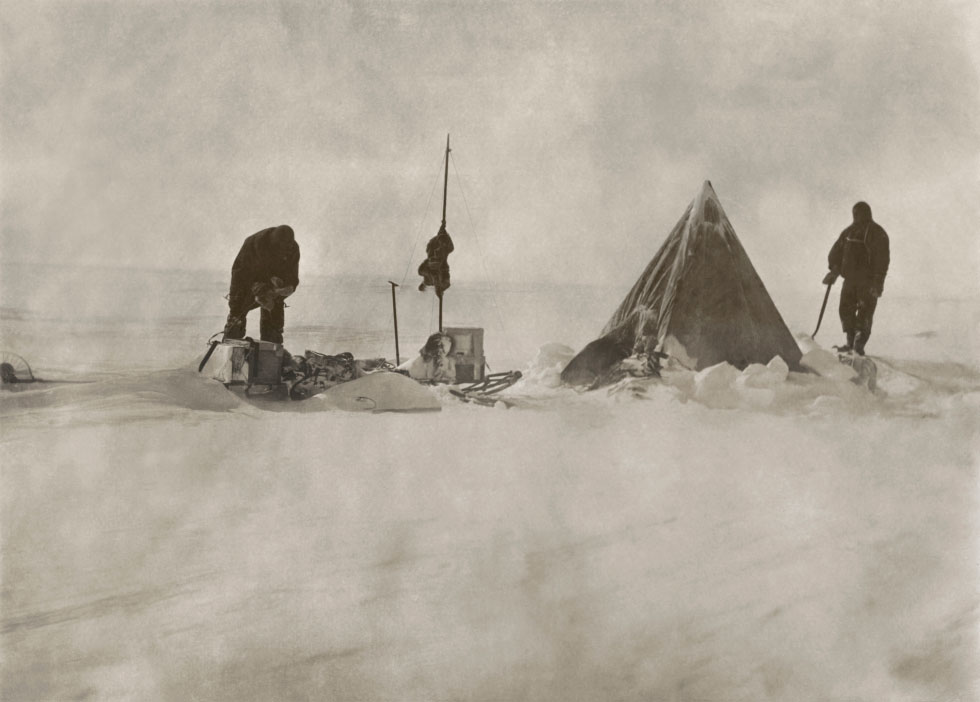
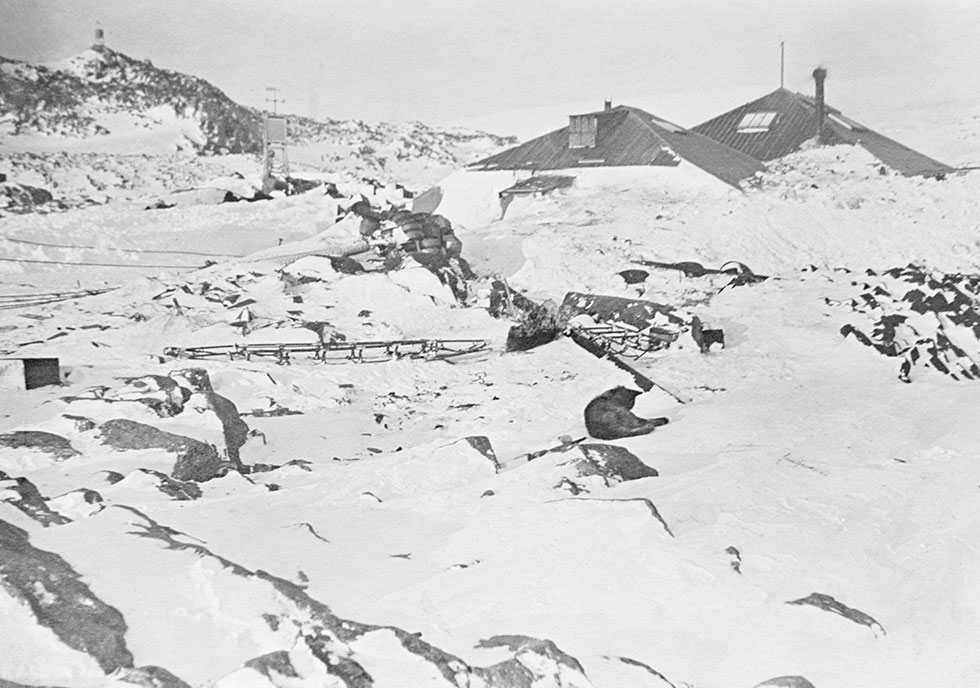
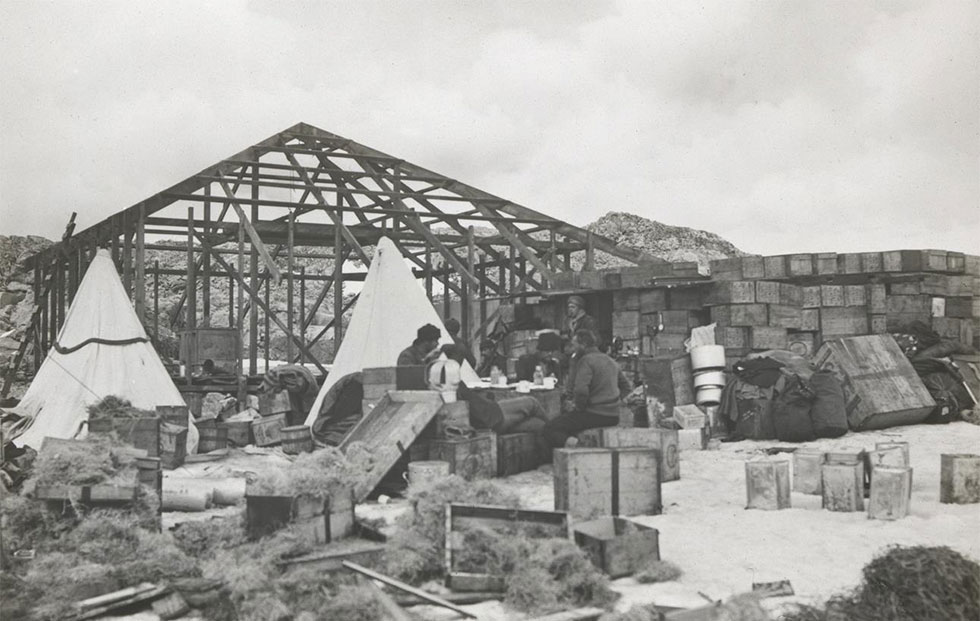
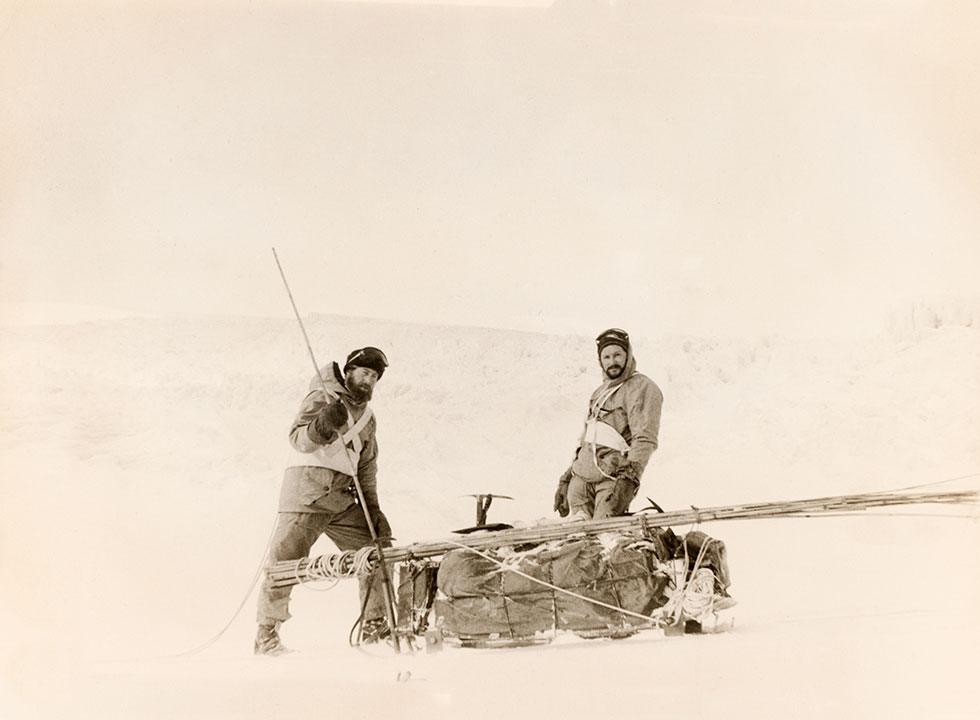
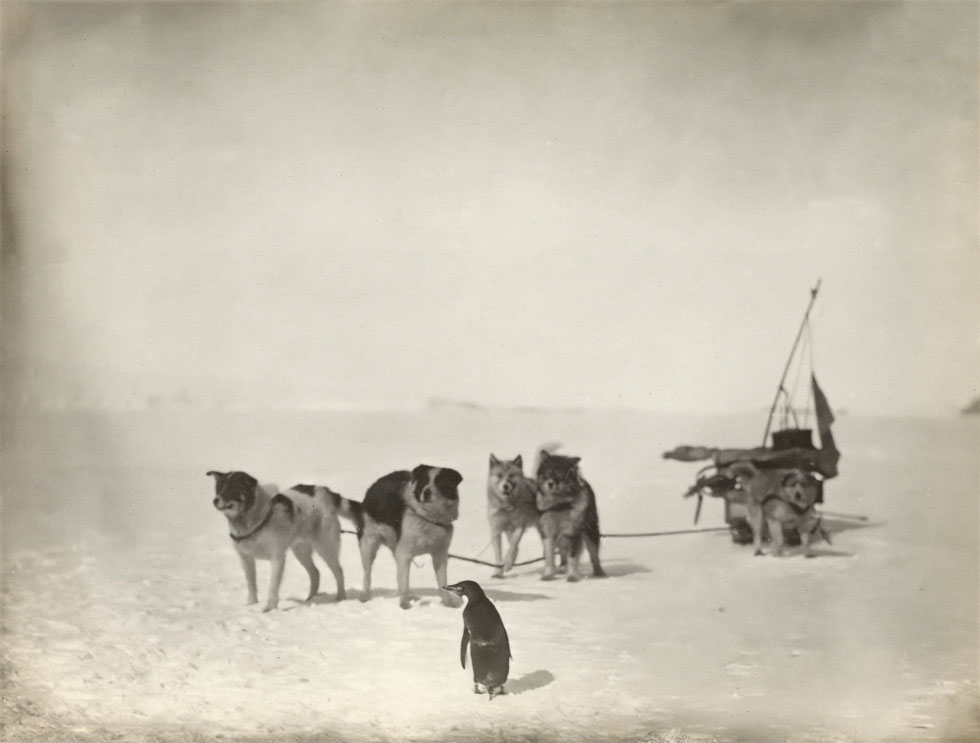
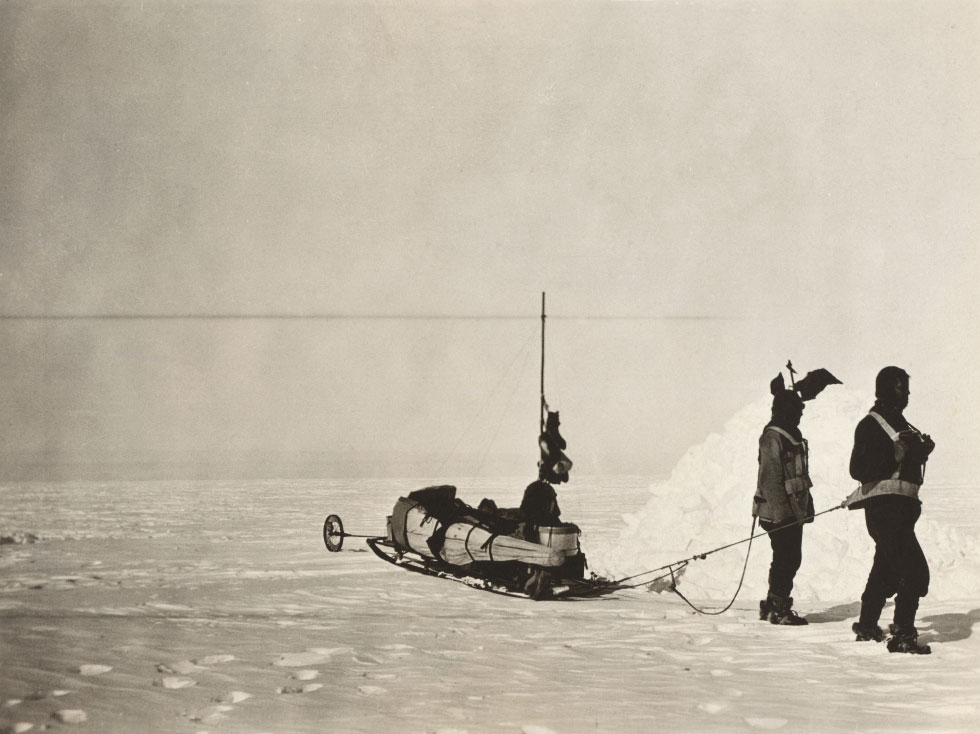
In 1912, Douglas Mawson made several forays to venture deep into uncharted parts of Antarctica. Frank Hurley, as the party’s official photographer, came along on several of these sled team missions. On November 10, 1912 Mawson attempted to reach Oates land with colleagues Xavier Mertz and Belgrave Ninnis. Hurley did not accompany them on this journey. The party left from Cape Denison, where 'Mawson’s huts' can still be found. The 3 men dogsledded deep into the east, George V Land, where tragedy struck. Ninnis and his dog sled fell into a hidden crevasse and died. A large part of the food and provisions were lost with him. Mawson and Mertz then made a desperate effort to return to base, 500 kilometres away. They ran out of food and, starving, were forced to eat their own dogs. Mertz became terribly ill and died. Mawson somehow made it back through violent blizzards and losing the skin off the soles of his feet. He arrived on his own at Cape Denison at Commonwealth Bay in February 1913, in an emaciated state. Hurley had taken the last photographs of the expedition before they set off.
To the end of the world
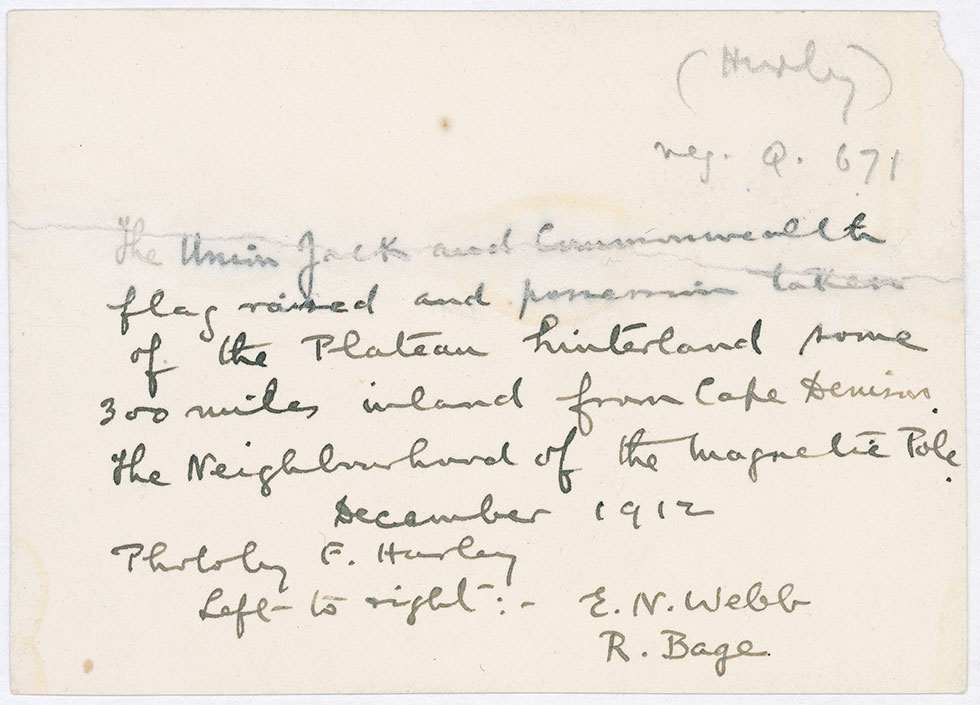
During the same time as Mawson's ill fated journey, Frank Hurley took part in a scientific expedition to reach the unexplored South Magnetic Pole. It took place from November 1912 to January 1913. There were only 3 men taking part: Hurley, Bob Bage and Eric Webb. They managed to travel over 960 kilometres, achieving around 66 kilometres a day, while fighting off lacerating blizzards which raged at up to 129 kilometres an hour.
Snapshots of beauty
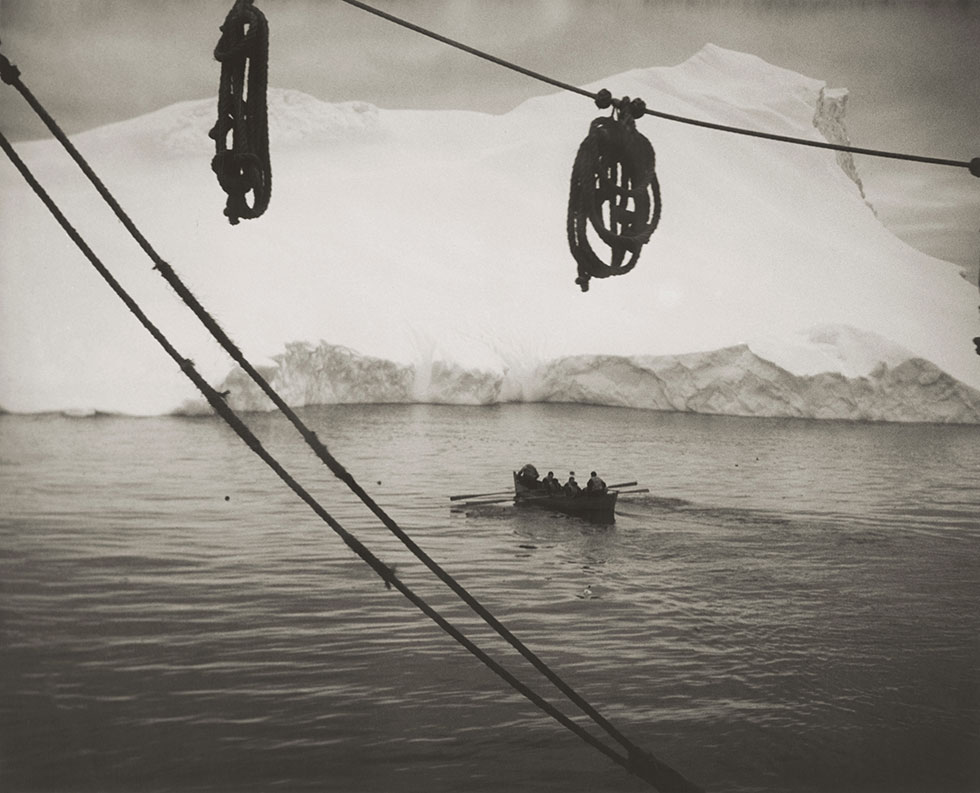
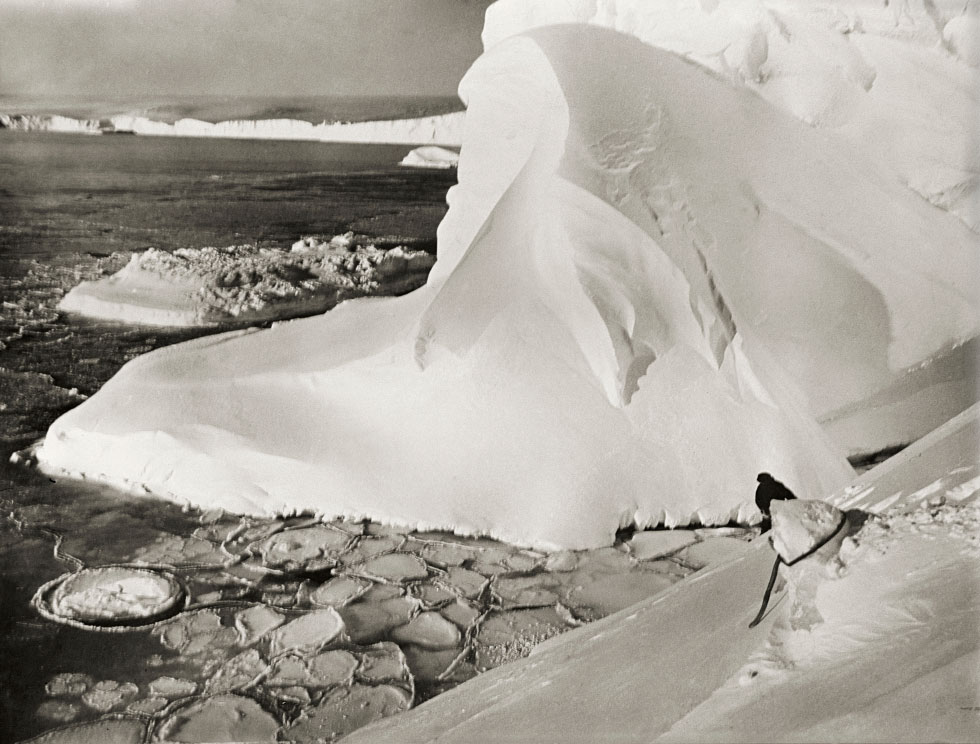
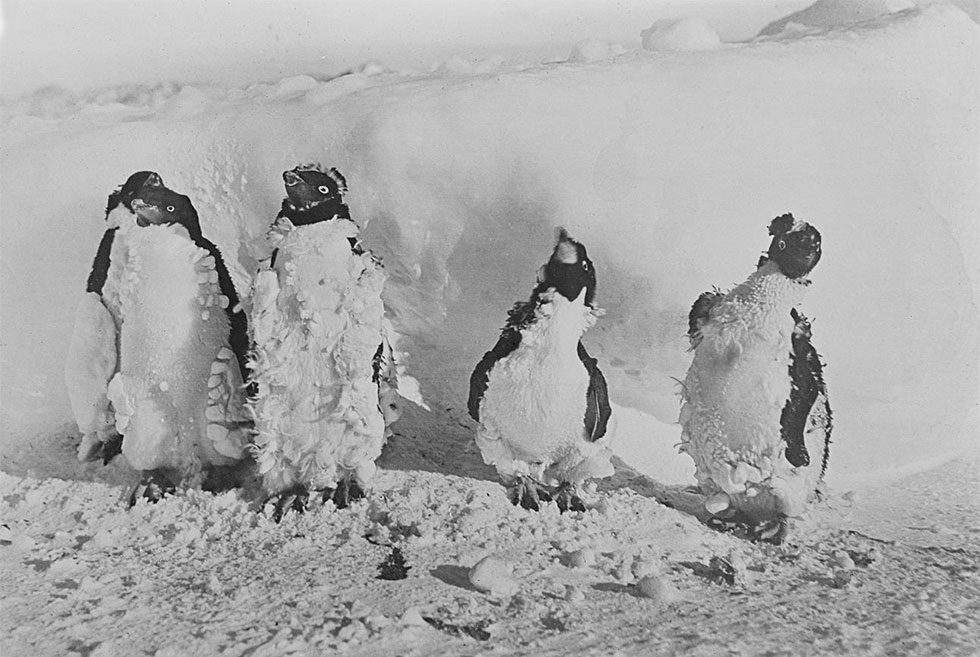
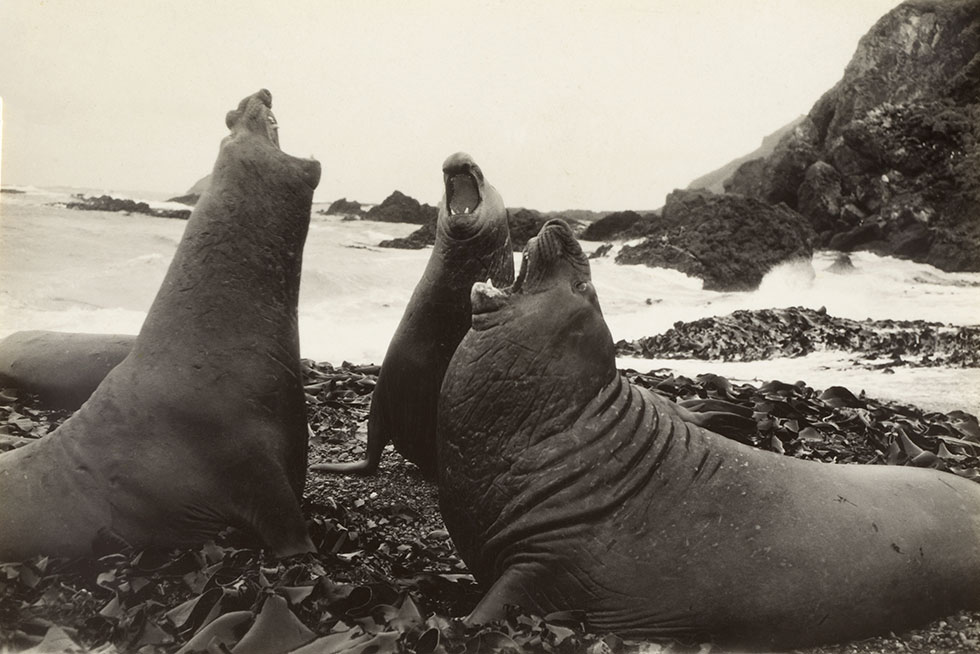
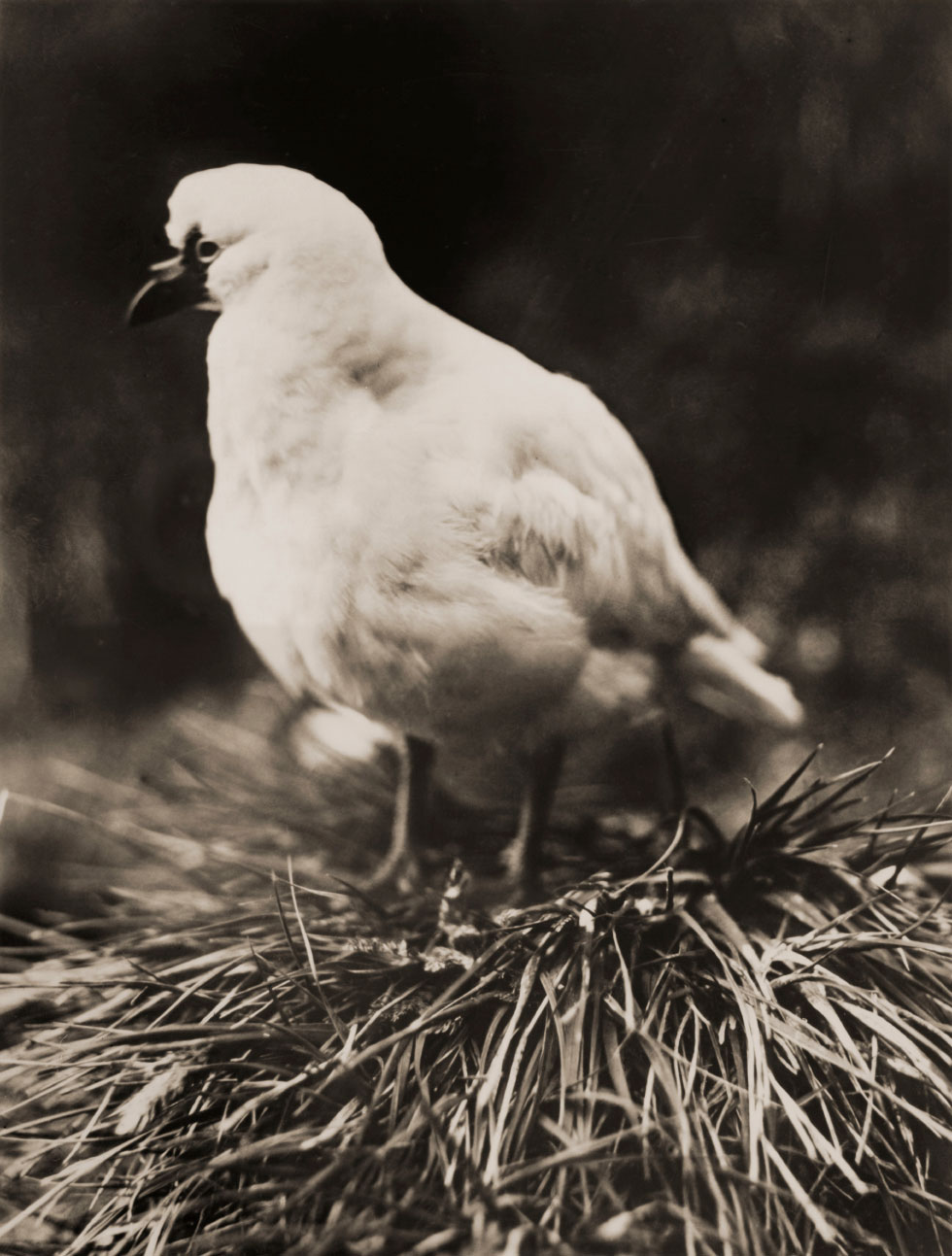
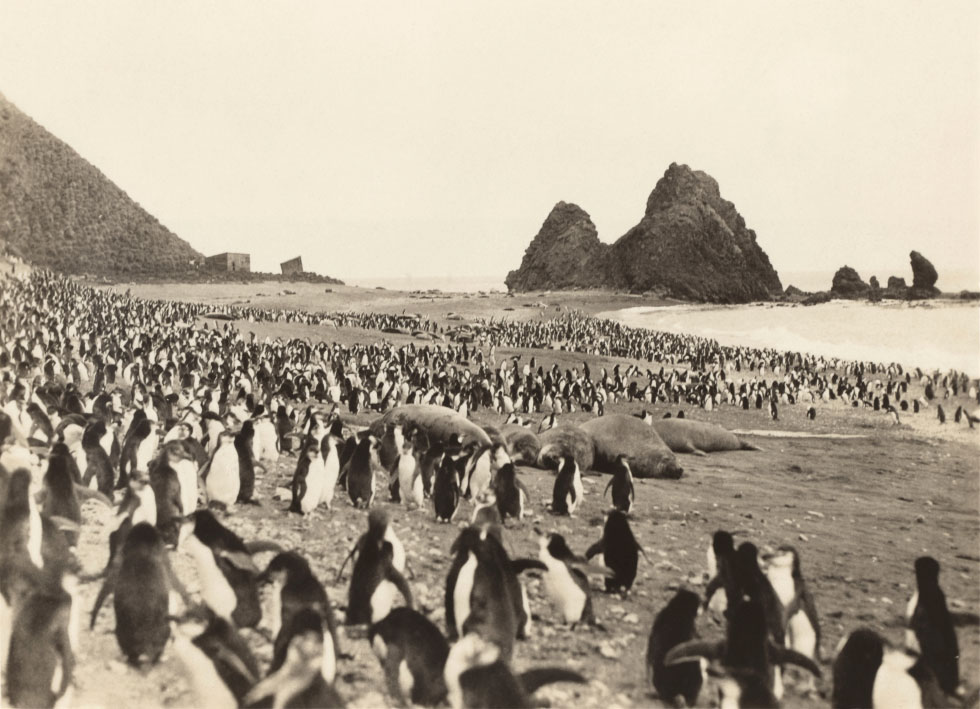
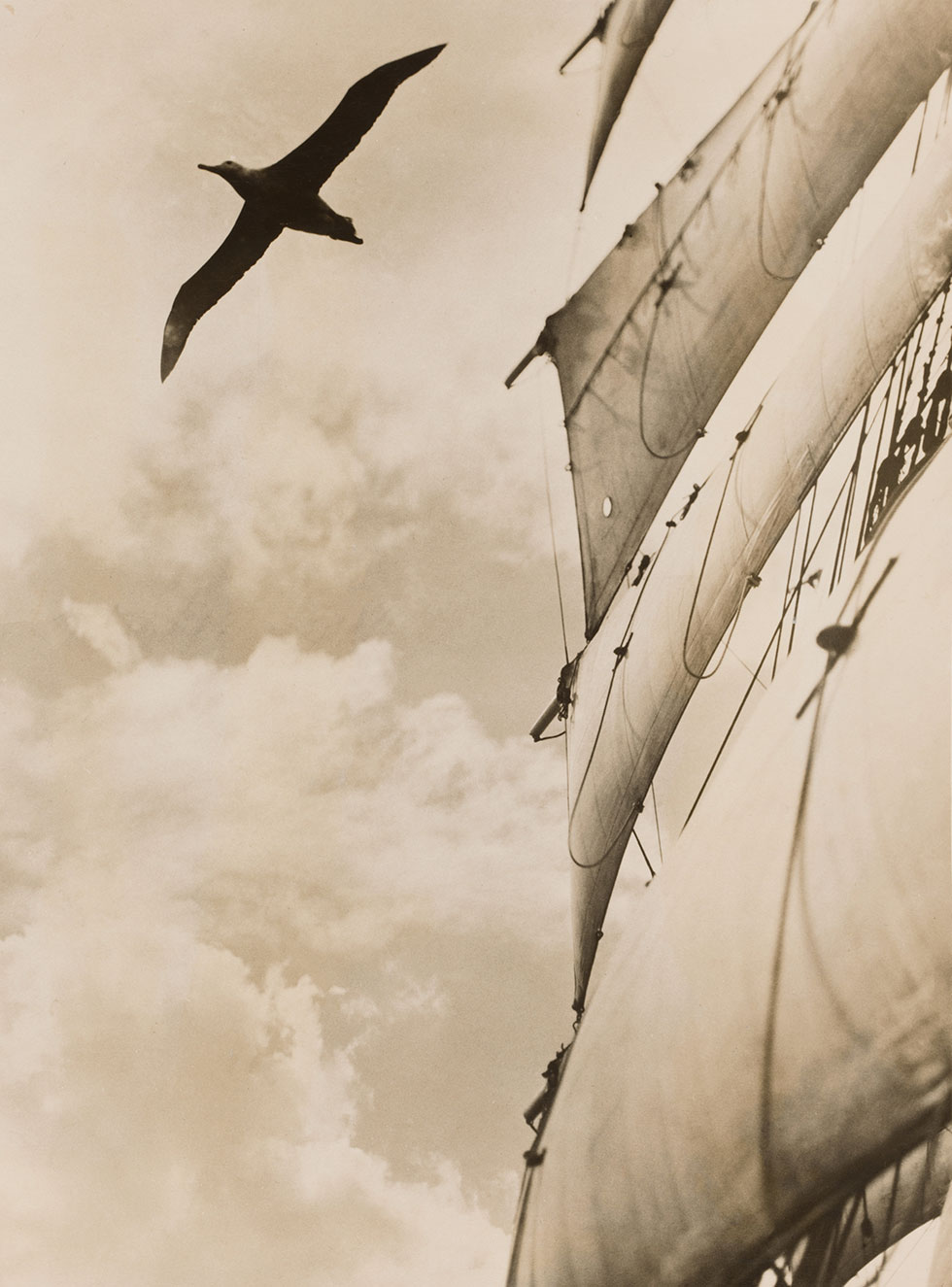
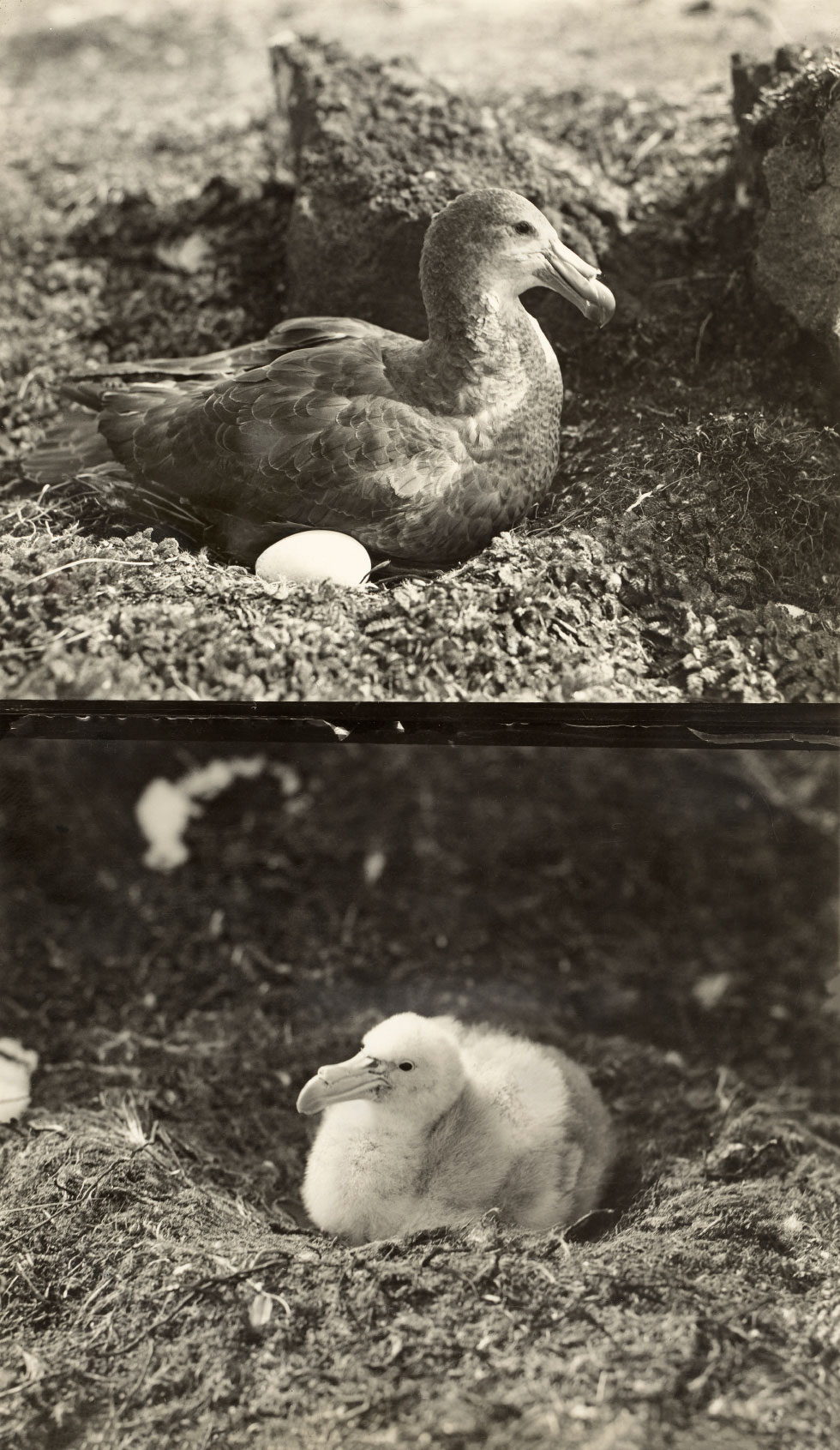
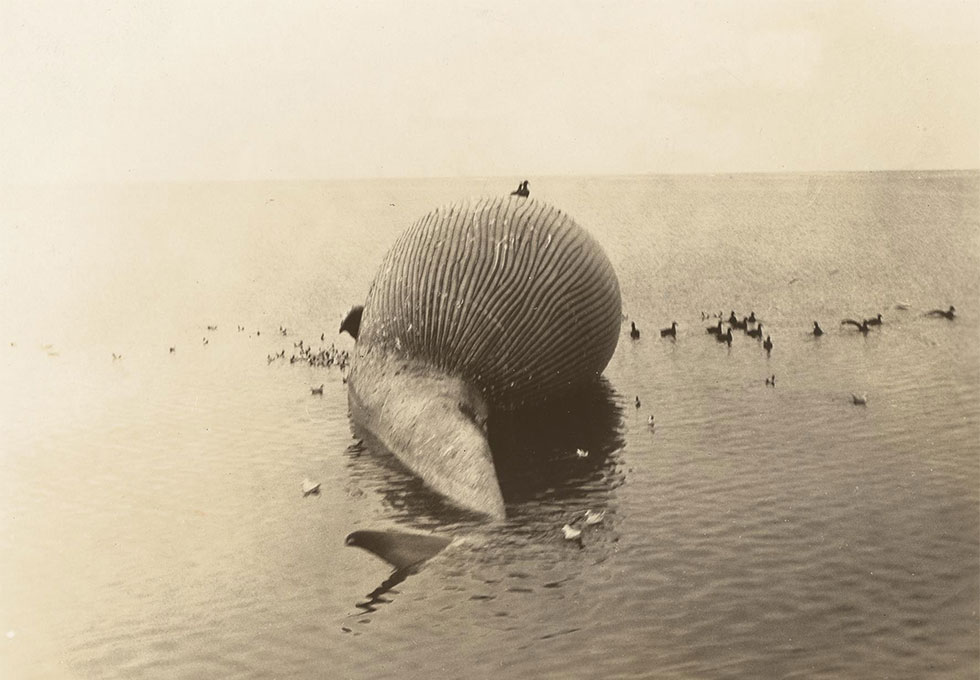
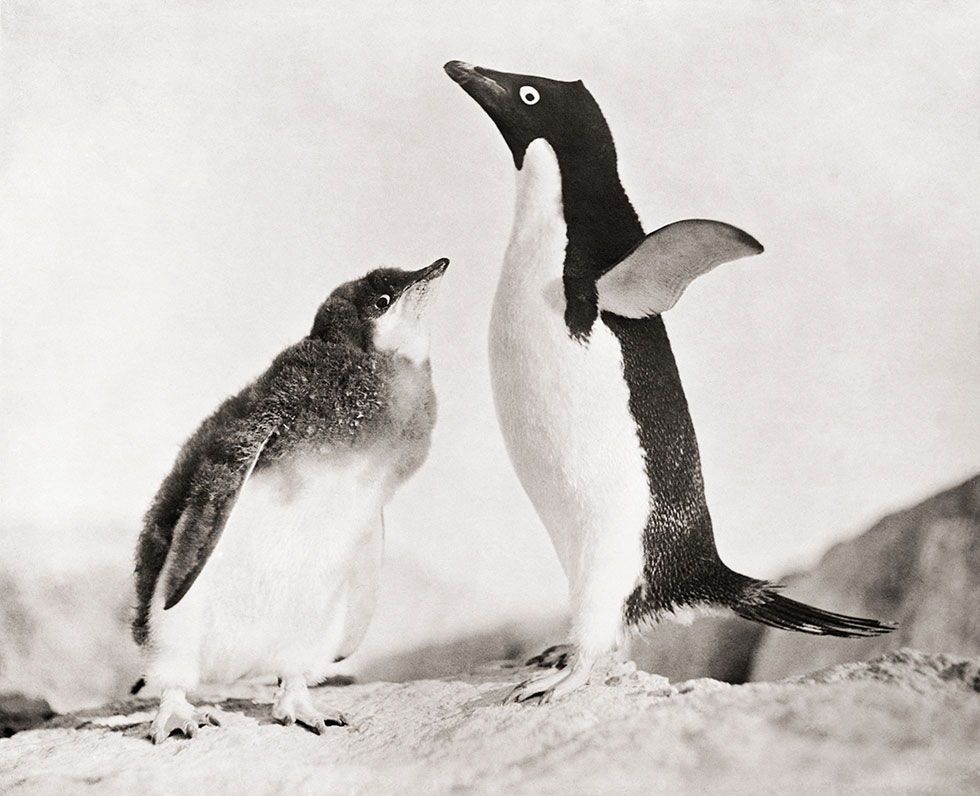
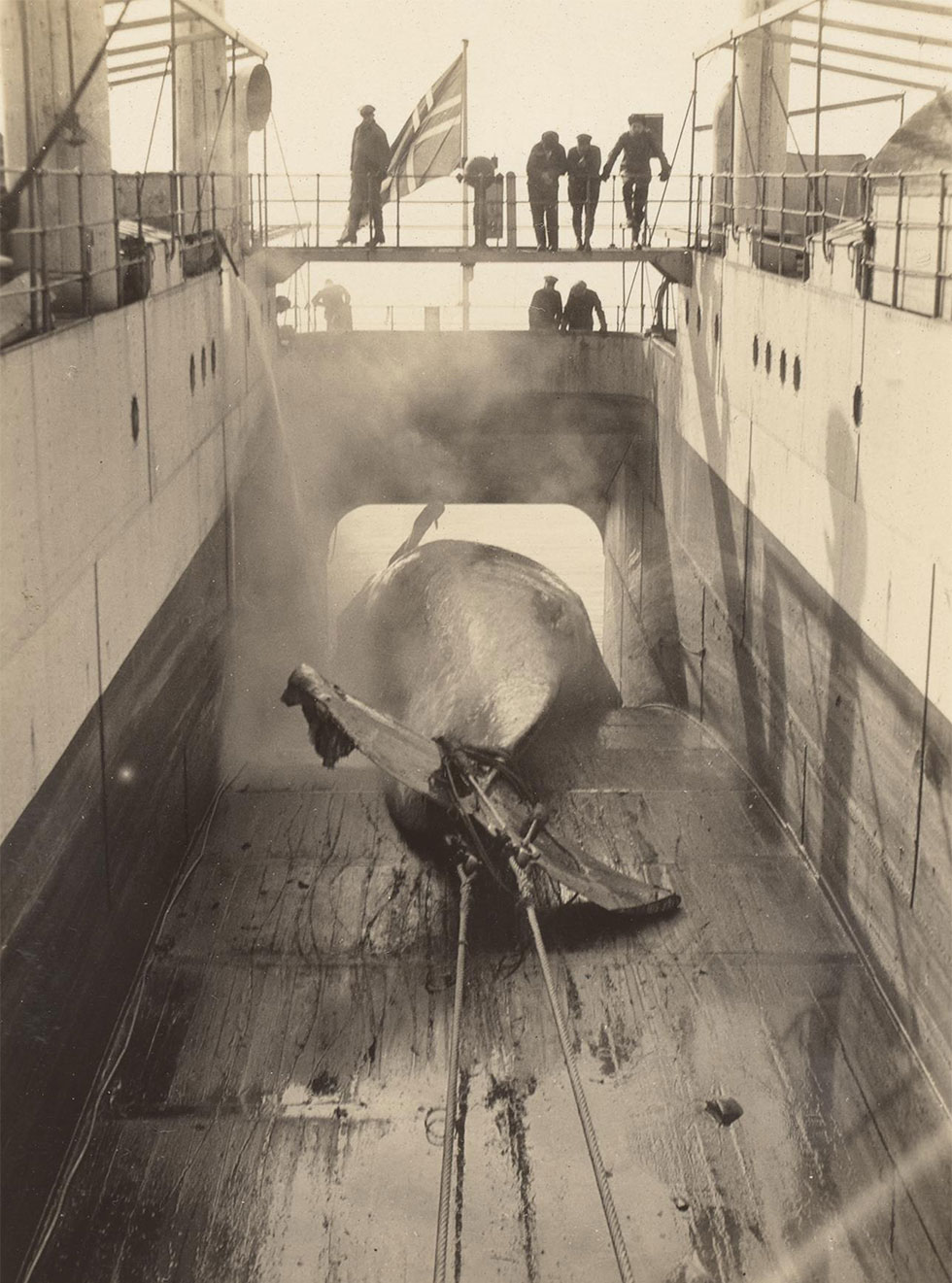
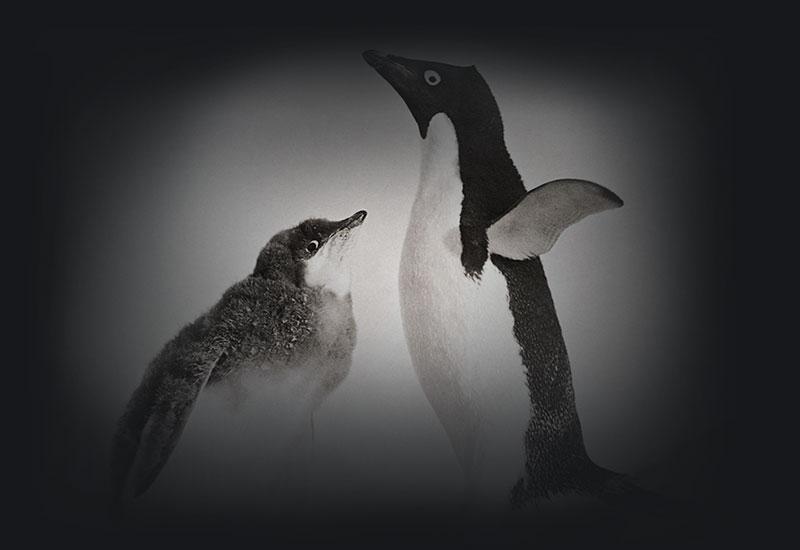
It wasn't just the brutality of the ice and the men's struggle for survival that Hurley captured. He also photographed the stark beauty of Antarctica and its wildlife, from majestic ice floes to frolicking penguins. For many in the western world this was the first time they'd seen such images of this vast frozen continent. Hurley also photographed the darker side of human interaction such as whaling ships harpooning whales. Hurley personally found the profligate killing of whales, seals and penguins abhorrent and wanted to alert the world about it. Through Hurley and Mawson's campaigning, Macquarie Island, halfway between Tasmania and Antarctica, was declared a wildlife sanctuary in 1933.
Hurley was to return to the Antarctic many more times. In total, he spent 4 years of his life there and, on his last visit in 1931, another Mawson expedition, he made a silent movie of the journey.
A life of adventure
Frank Hurley's long and remarkable career wasn't limited to photographing the Antarctic. He also was an official war photographer in both the First World War and the Second World War, capturing amazing battlefield scenes and going to great personal risk to do so. He photographed much of the horror and the bravery of the time, feeling a duty to chronicle everything honestly. Hurley was also a cinematographer, making documentaries on Papua New Guinea and the building of the Sydney Harbour Bridge. You can see parts of his life's work online in PhotoSearch in National Archives.