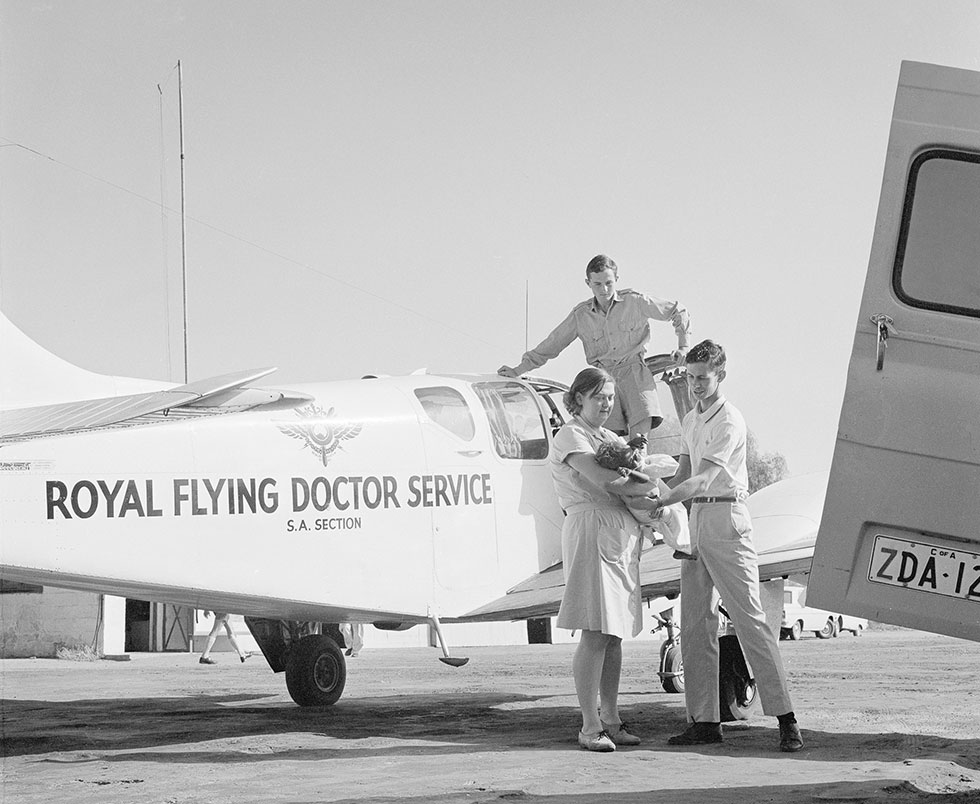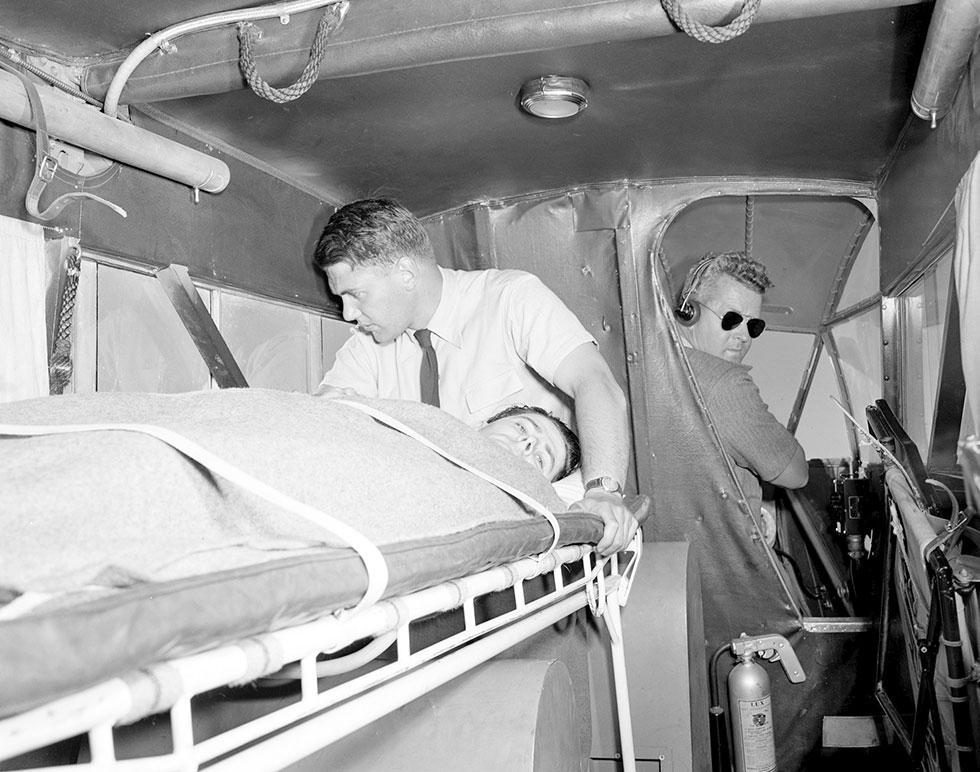
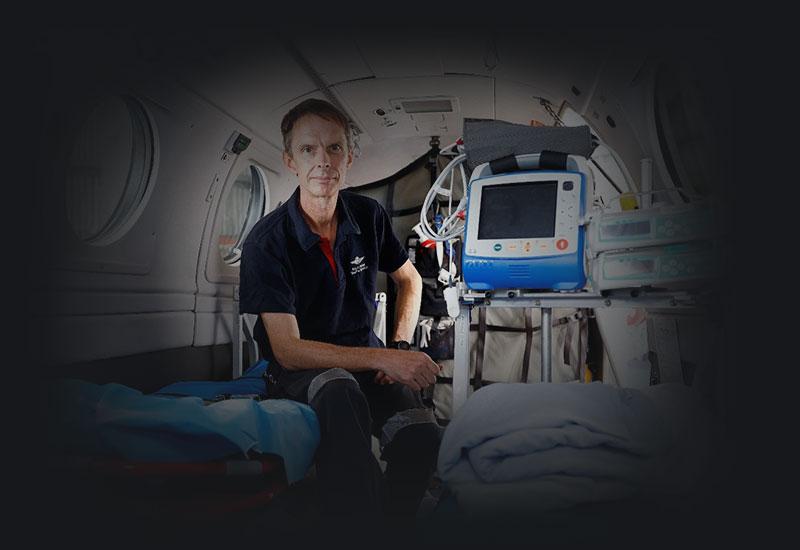
For nearly 100 years, the Royal Flying Doctor Service has provided vital care to Australians in remote and isolated regions and become a national icon while doing so.
'If you can start something worthwhile, nothing will stop it.' – Reverend John Flynn.
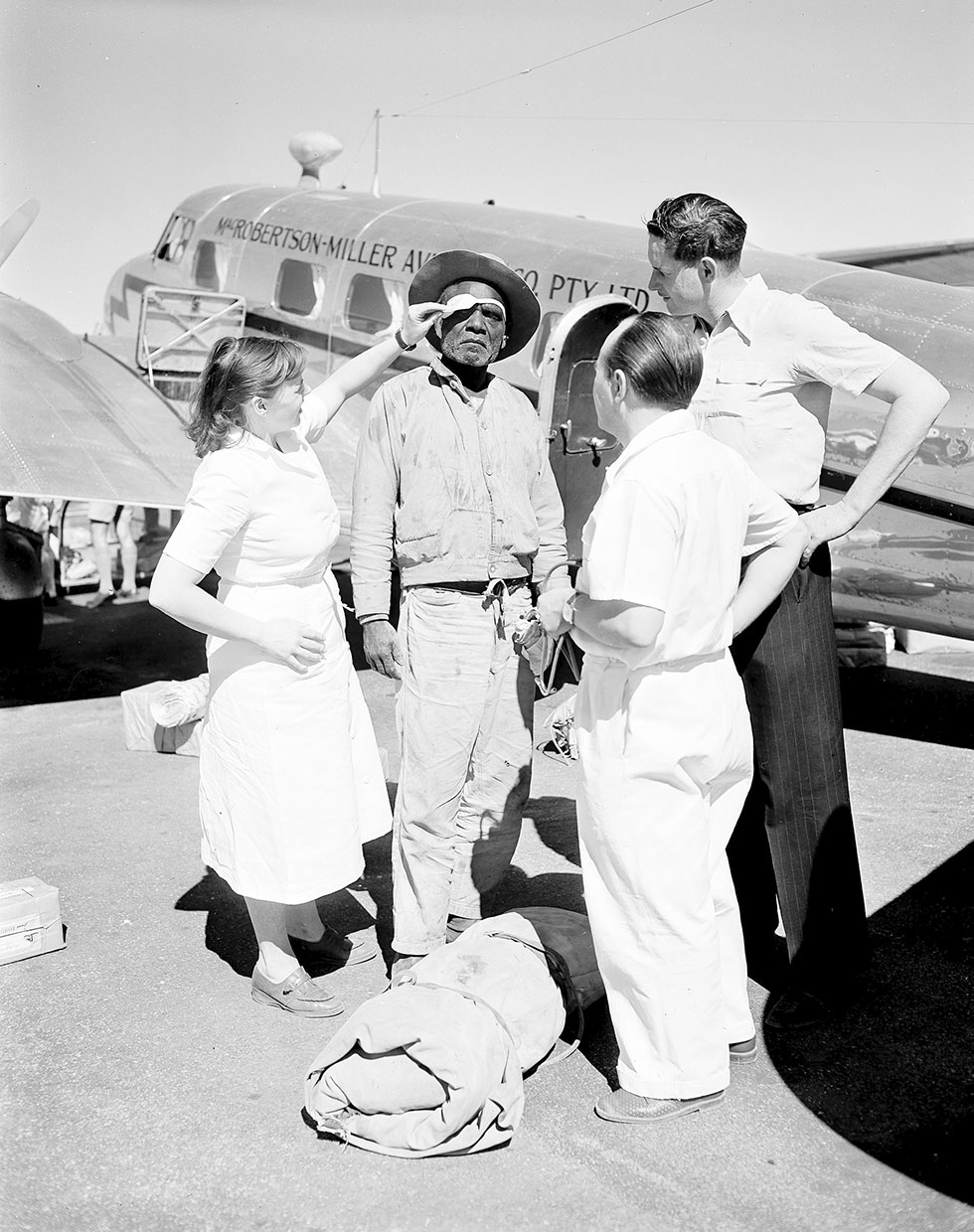
National Archives holds a wealth of material about this uniquely Australian service. Everything from photographs to correspondence about hospitals, funding and airplane bases are available in PhotoSearch.
Far and away
There's remote and then there's Australia. Vast oceans of desert, inhospitable tropics, and cattle stations the size of small European countries make up chunks of the outback. Then there are the small settlements and communities, tiny dots in a wild, unforgiving landscape where the nearest hospital is many hours away. For those living and working out in these isolated regions it's always been difficult to access health care. And before 1928, it was nigh impossible.
A mantle of safety
This was something the Reverend John Flynn, founder of the Royal Flying Doctor Service (RFDS), deeply cared about. His idea was to use aircraft to reach remote communities. Airplanes were still a novelty, so this was an innovative approach for the time. Flynn spent 10 years campaigning for funding and finally, in 1928, the Royal Flying Doctor Service was born. It was the world's first comprehensive aerial medical service. Flynn's vision was for a 'mantle of safety' across the dangerous outback.
From crash landings to crocodiles
Australia's peculiar outback environment meant there were all kinds of challenges in the early days of the service. It really was wild, frontier country. Floods, dust storms, blistering heat, rough terrain and dangerous wildlife all made a doctor's visits incredibly challenging.
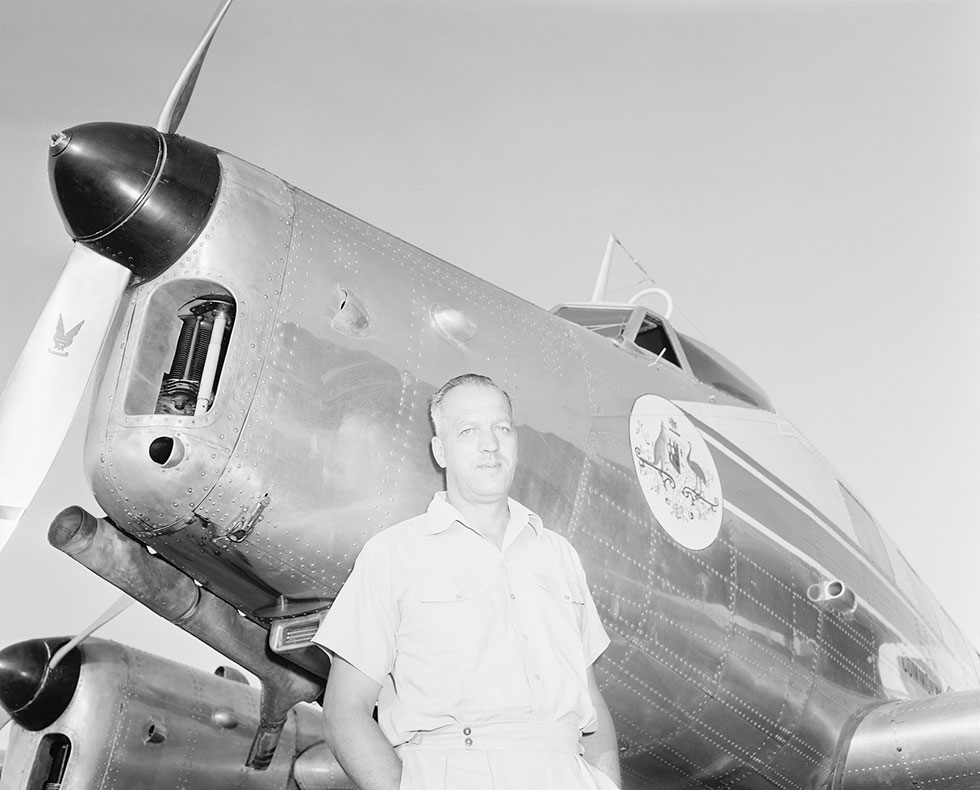
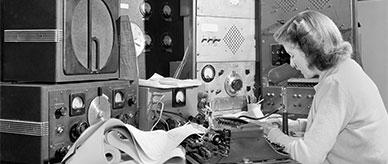
On top of this, the initial RFDS personnel had to deal with primitive technology and airplanes that were far from safe by today's standards. In the 1930s, the Service used planes like the Havilland DH.50. These were biplanes with open cockpits. Mostly made from wood and fabric, they were highly vulnerable to the extreme outback weather and conditions. Simply put, these planes weren’t built for difficult landings on rough terrain. Most of the places the doctors were flying to didn't have landing strips. Tyres would explode or engines overheat. It wasn't unusual for a plane that had come to the aid of a victim to crash itself and need rescuing.