First Australians are advised that this page includes images of people who have died. It may also contain terms that reflect views which are not considered appropriate today.
Tales of shipwrecks have captured imaginations for centuries – stories of bad luck or human error, tragedy, and sometimes survival against the odds. In early 20th century Western Australia, it was perhaps this public appetite for shipwreck stories that led a photographer to capture the aftermath of the wreck of the SS Karrakatta.
A familiar journey
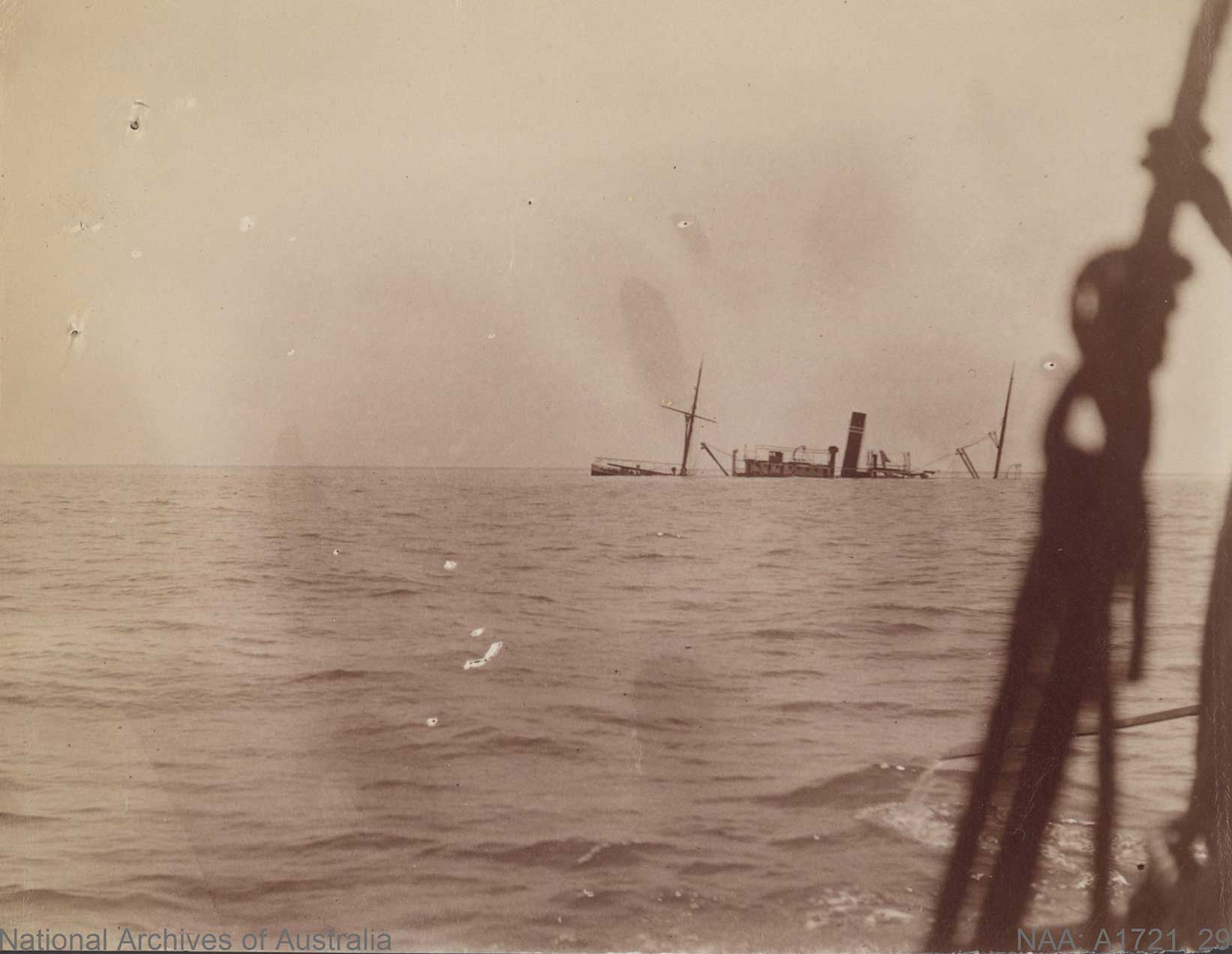
The twin screw steamer SS Karrakatta met its fate on 26 March 1901 off Cape Leveque, Western Australia.
Mastered by Captain Harry Talboys, the SS Karrakatta was on a voyage from Fremantle to Singapore. The next port on their journey was the port of Derby. Derby is located in King Sound and has very fast and varied tidal waters. The turbulent tides create large, shallow mudflats which can be treacherous for hefty vessels like the Karrakatta.
The ship was carrying a large crew, heavy cargo and at least 30 passengers on board. At 6:30 pm, the ship was nearing port, but the tide was low. Captain Talboys advised the crew to wait for the 9:30 pm flood tide to sweep them into port.
Despite it being late at night, the weather was reportedly fine and clear, with a light westerly wind. It was a route the captain and many other vessels had sailed hundreds of times before. All should have gone according to plan.
On the rocks
At 9:45pm, a little over a kilometre offshore from Swan Island, the unexpected happened. The bottom of the Karrakatta was struck with a heavy blow by an uncharted rock. Captain Talboys called his crew to action the moment the strike was heard. They found water in two of the holds. The crew leapt into emergency action, readying the lifeboats.
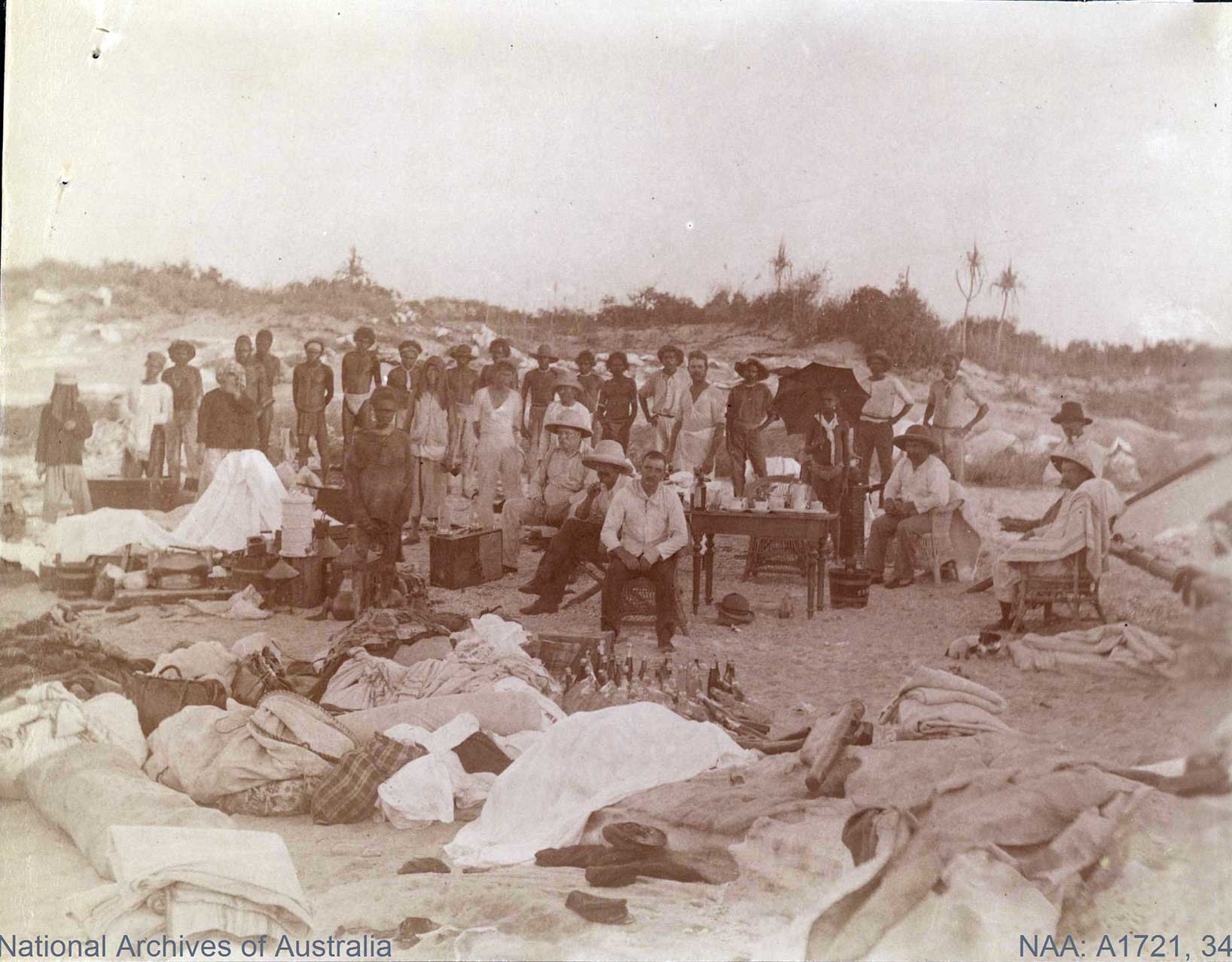
The tide was running strong. The vessel was sinking fast. Passengers and crew abandoned ship for the relative safety of the lifeboats. In the inky dark of night they desperately headed for the nearest land. The captain was the last to leave the vessel. All parties, reportedly 139 persons in total, made it to shore. The survivors lit fires and awaited rescue. Fortunately, no lives were lost as a result of the wreckage.
Flashes from the past
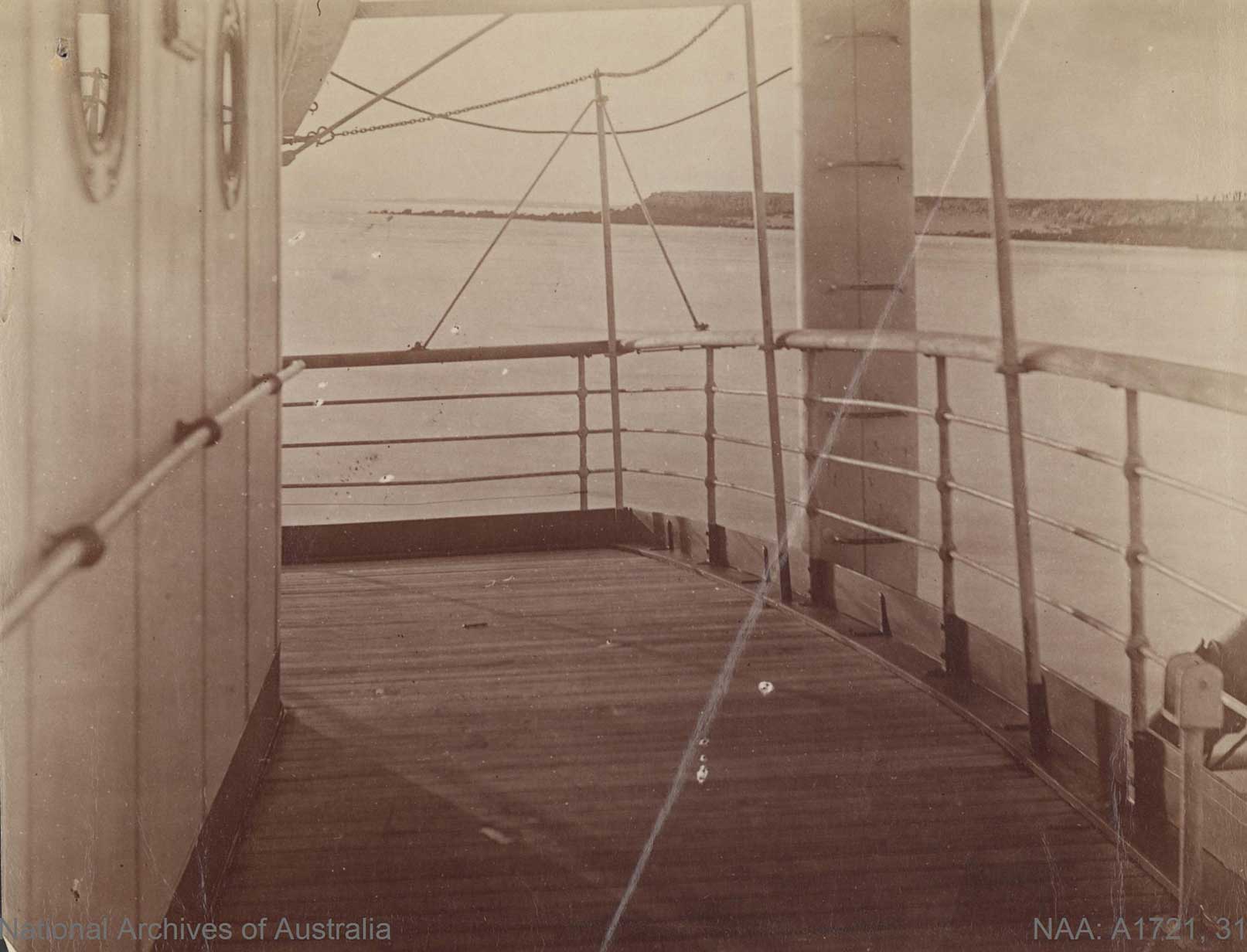
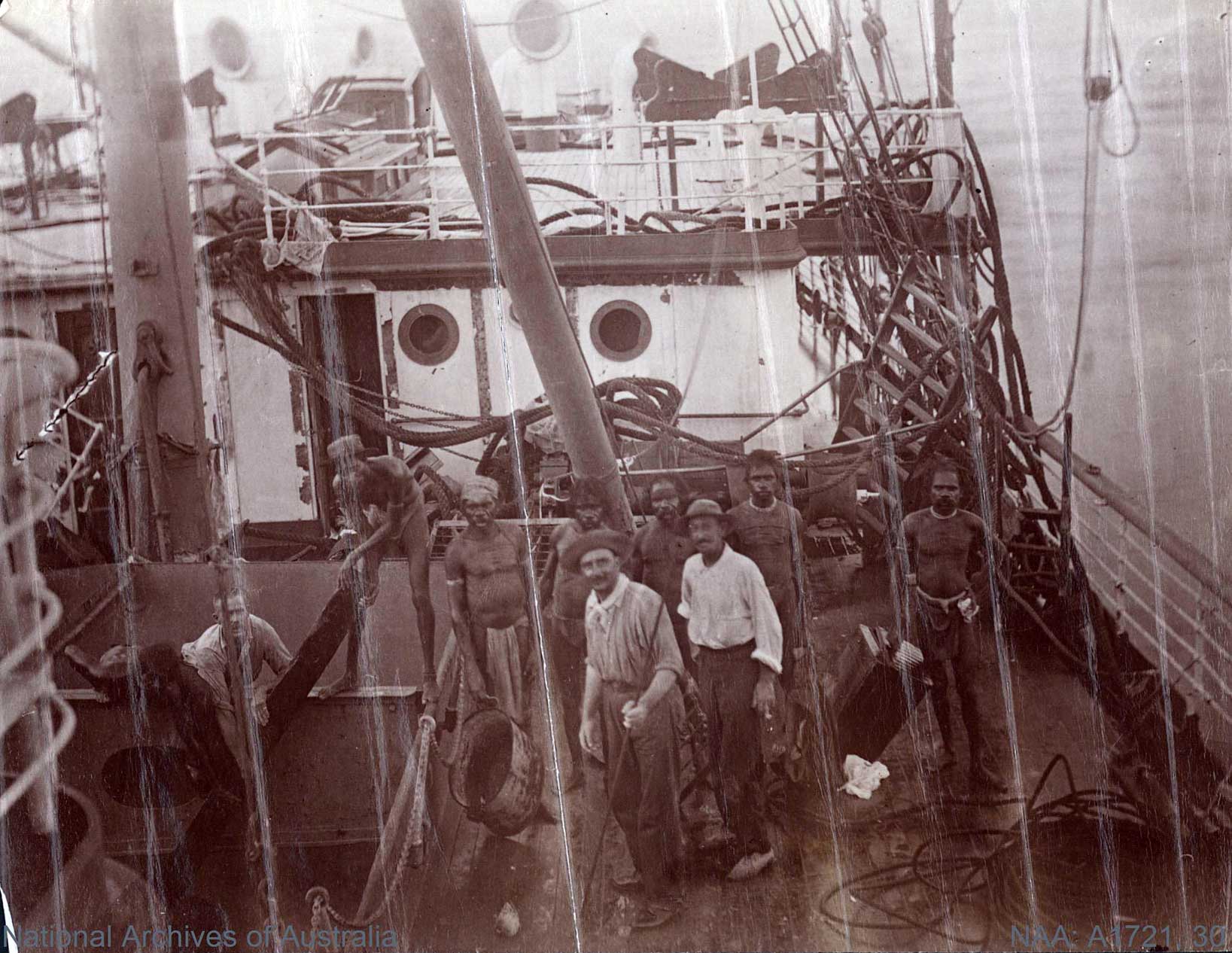
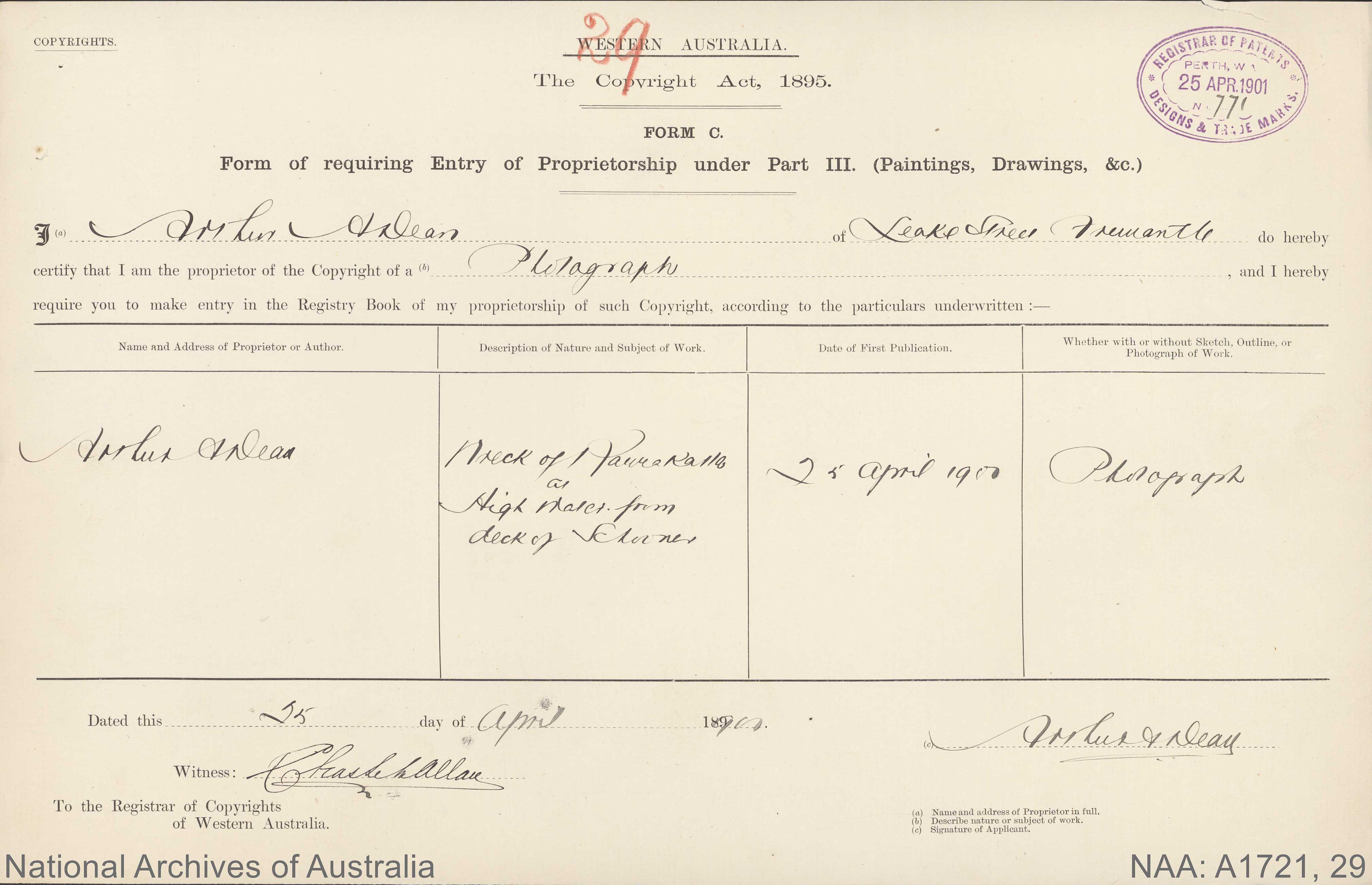
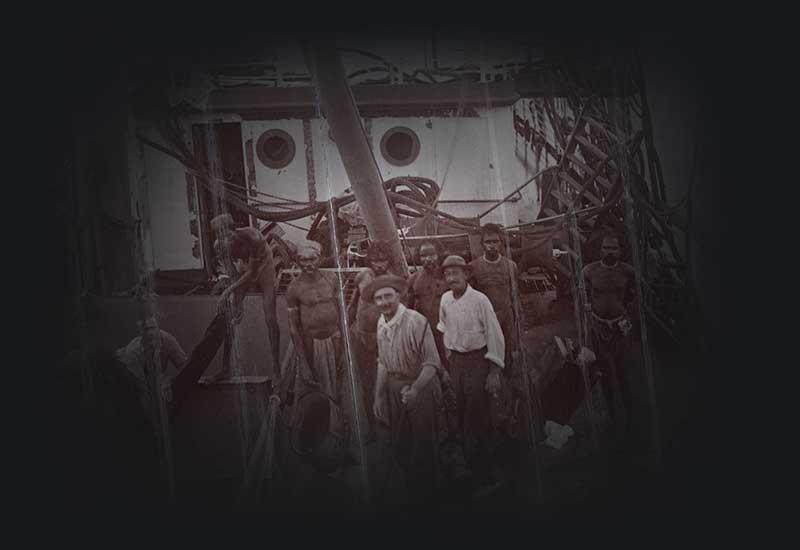
Some days later, Fremantle photographer Arthur A Dean visited the wreck of the Karrakatta and the survivors' camp on shore to document the event.
To achieve steady and sharp images, he set his camera atop a heavy tripod. This meant he could accommodate the long exposure time required for photography of the time. Dean captured the salvage efforts and weary survivors on negatives which he developed using a technique known as silver gelatine printing.
Just one month after the wreckage of the SS Karrakatta, on 25 April 1901, Dean submitted his photographs of the wreck and survivors for copyright registration.
These photographs now reside within the national archival collection alongside other Australian fine arts copyright files registered in Western Australia between 1896 and 1907. This group of records was targeted as part of the Defend the Past, Protect the Future Program, through which National Archives digitised more than 1.3 million at-risk records.
Though the final resting place of the SS Karrakatta is known, the remains of the vessel are slowly being lost to time by the harsh currents of the ocean. However, the photographs captured by Dean provide us with a window into the past that will be preserved and accessible for years to come.