ABC Sportsman of the Year

Dr Kylie Andrews and Professor Bridget Griffen-Foley
Friday, 23 October 2026

Aboriginal and Torres Strait Islander people should be aware that this page contains the images, names and voices of deceased persons.

Giving a show a sporting chance

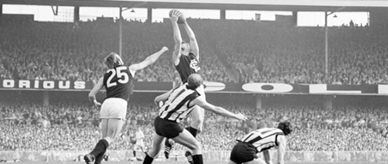
Australia's interest in sport is seemingly insatiable. The nation takes great pride in the exceptional achievements of our sportspeople, both at home and overseas. Stories of teamwork and competition, of battling against the odds and achieving excellence, were fodder for the Australian media, including our national broadcaster, the Australian Broadcasting Commission. By the time Melbourne was announced, in 1949, as host of the first (1956) Olympic Games to be held in the southern hemisphere, Australia was becoming known for 'punching-above-its-weight' in the international sporting arena.

In 1951, a group of ABC broadcasters began to plan for an initiative that would pay tribute to the highest principles of sportsmanship and achievement. 'The Sportsman of the Year' awards would bring together the senior editors of Australia's sporting press and the broadcaster's own heads of sport in each state. They were tasked with selecting a winner who demonstrated exemplary sportsmanship. The ABC's General Manager, Charles Moses, explained:

While the winner will be a man or woman with outstanding performances in his or her branch of sport – outstanding by world standards – the Sportsman of the Year must be a person whose behaviour on and off the field, track, arena etc, is such as to be an example for young Australians. Anyone who falls short of that standard should not be given consideration ... as we are determined that this Award will help in building in the minds of our young people an understanding of the real meaning of sportsmanship.
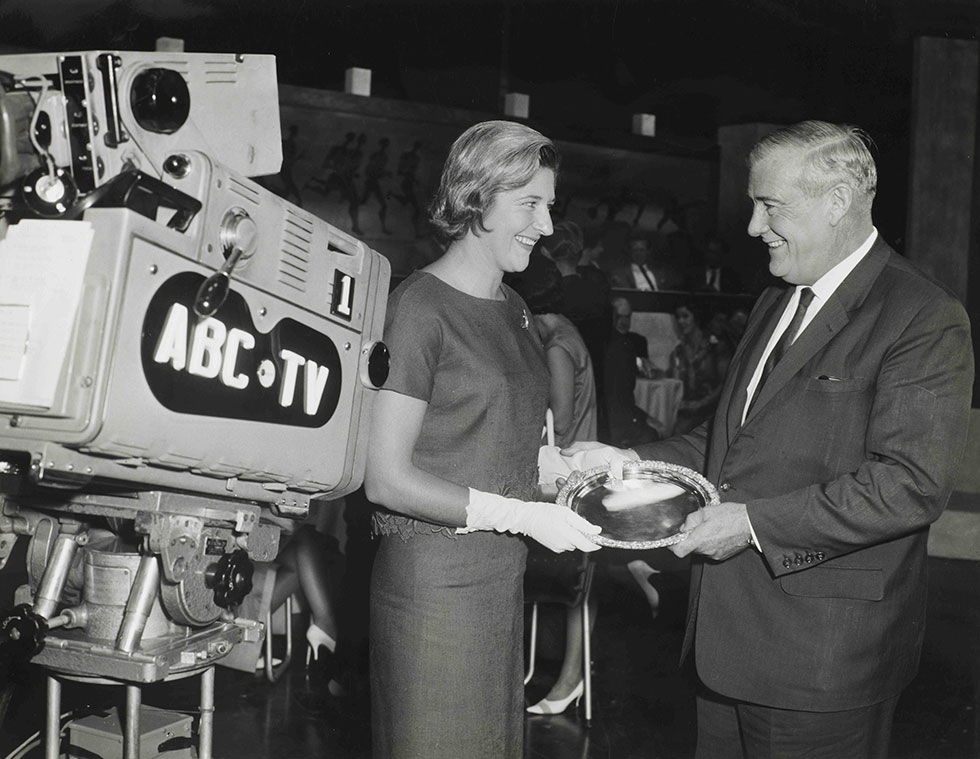
Broadcast to a nation

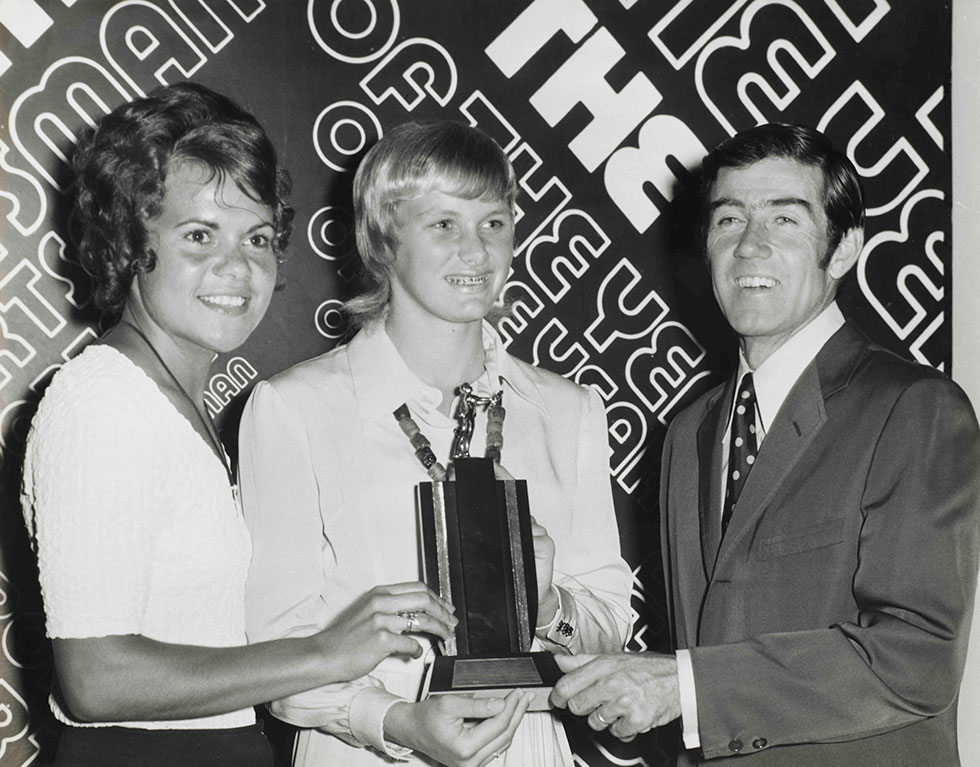
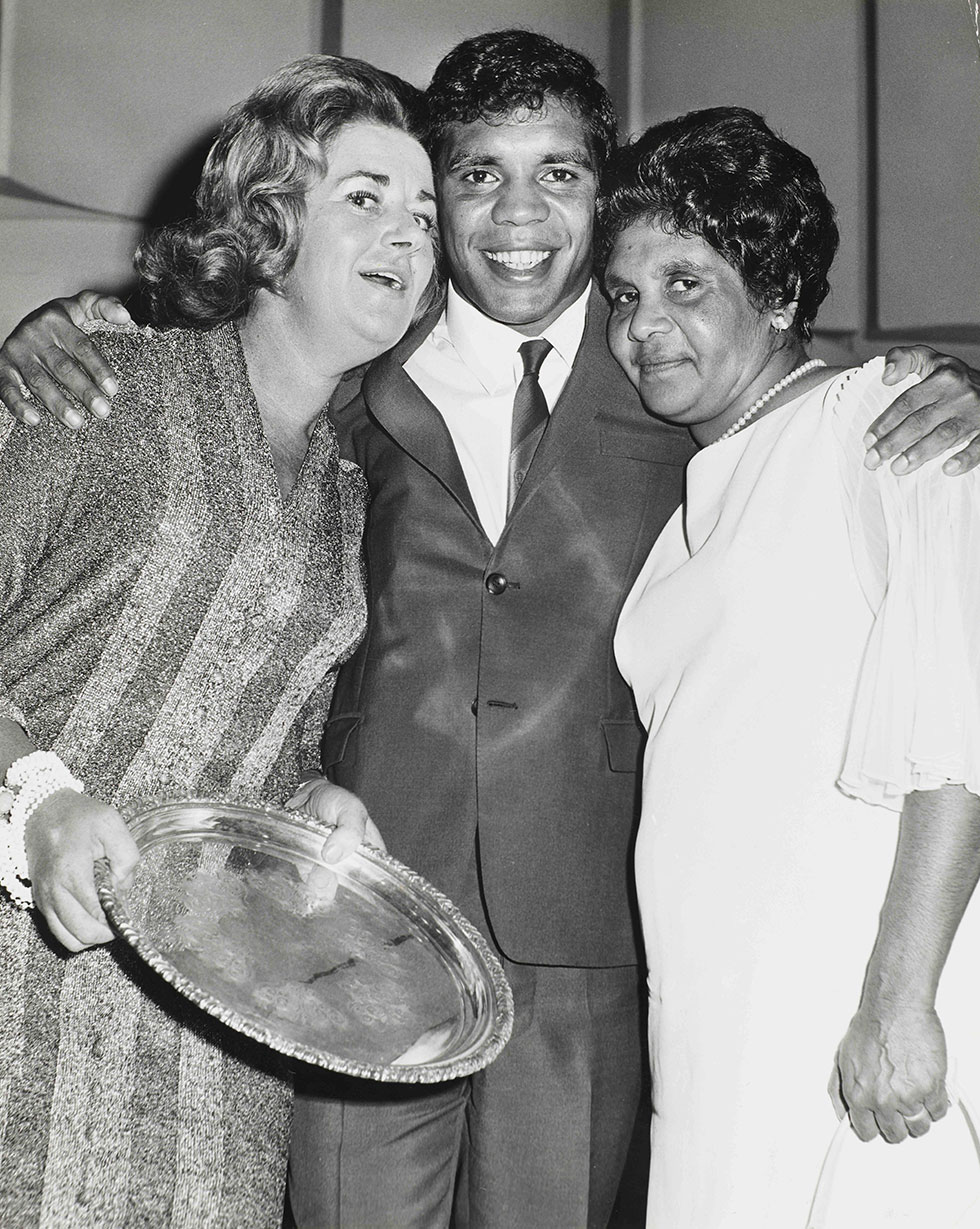
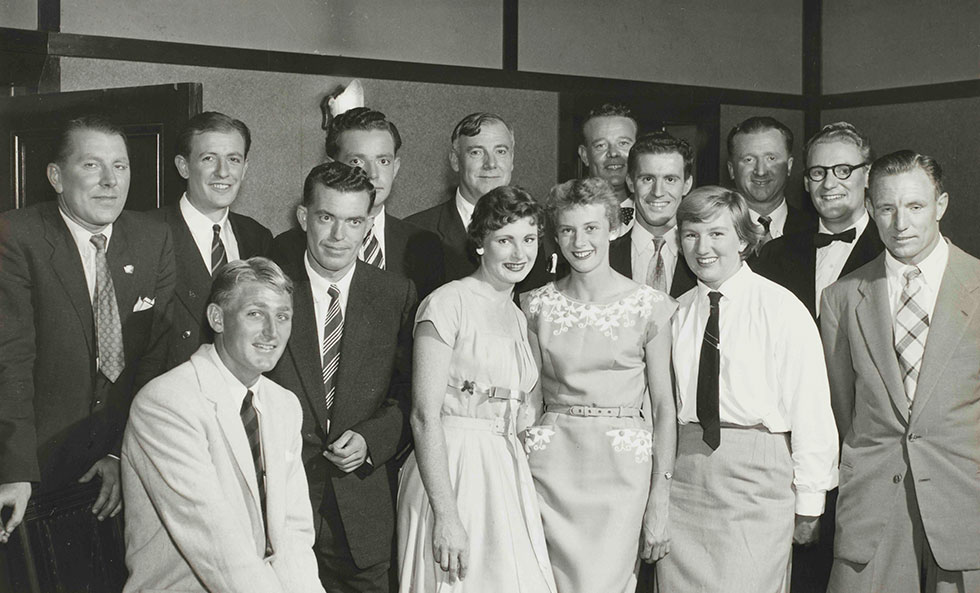
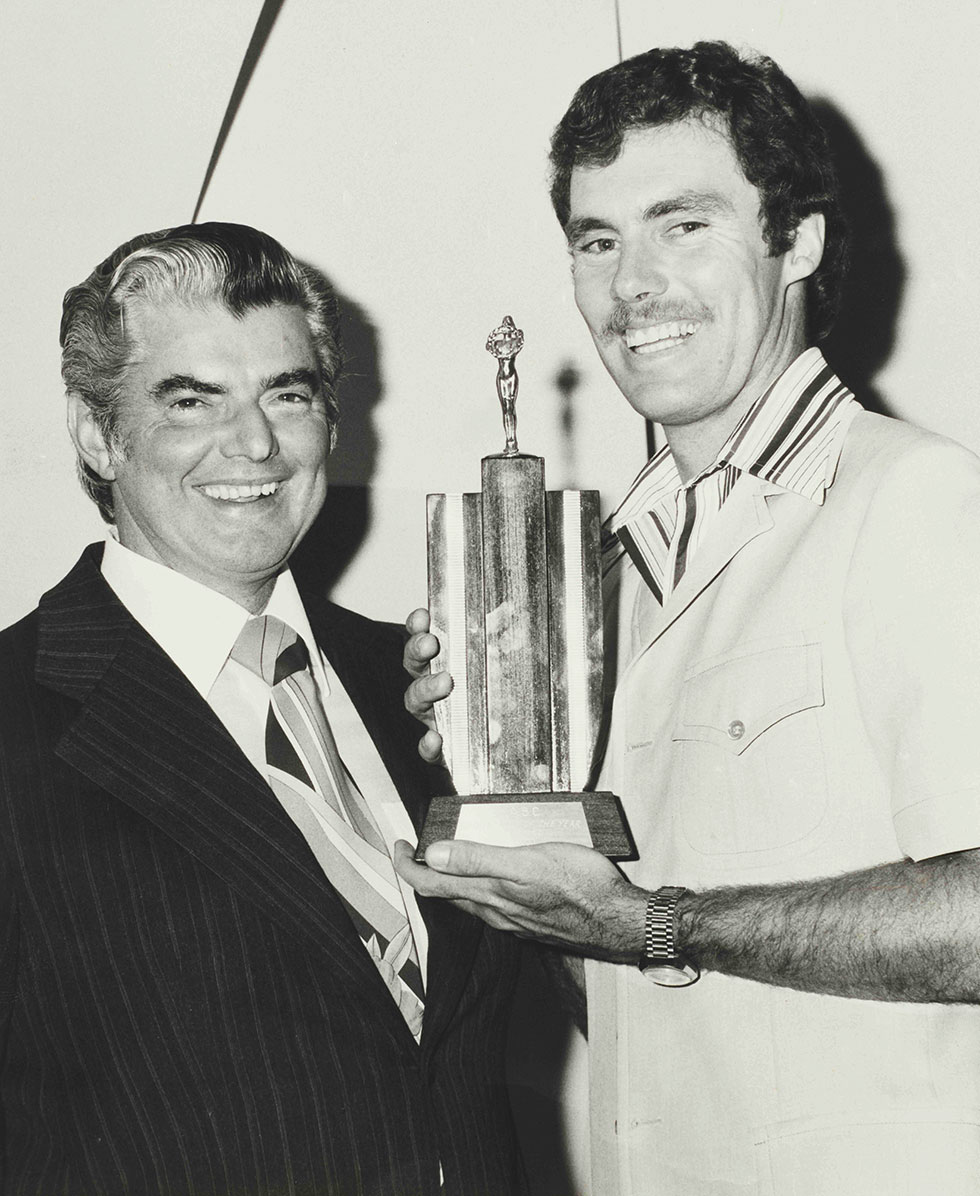
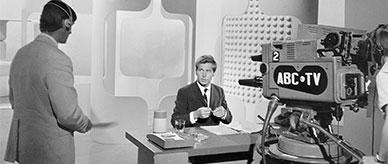
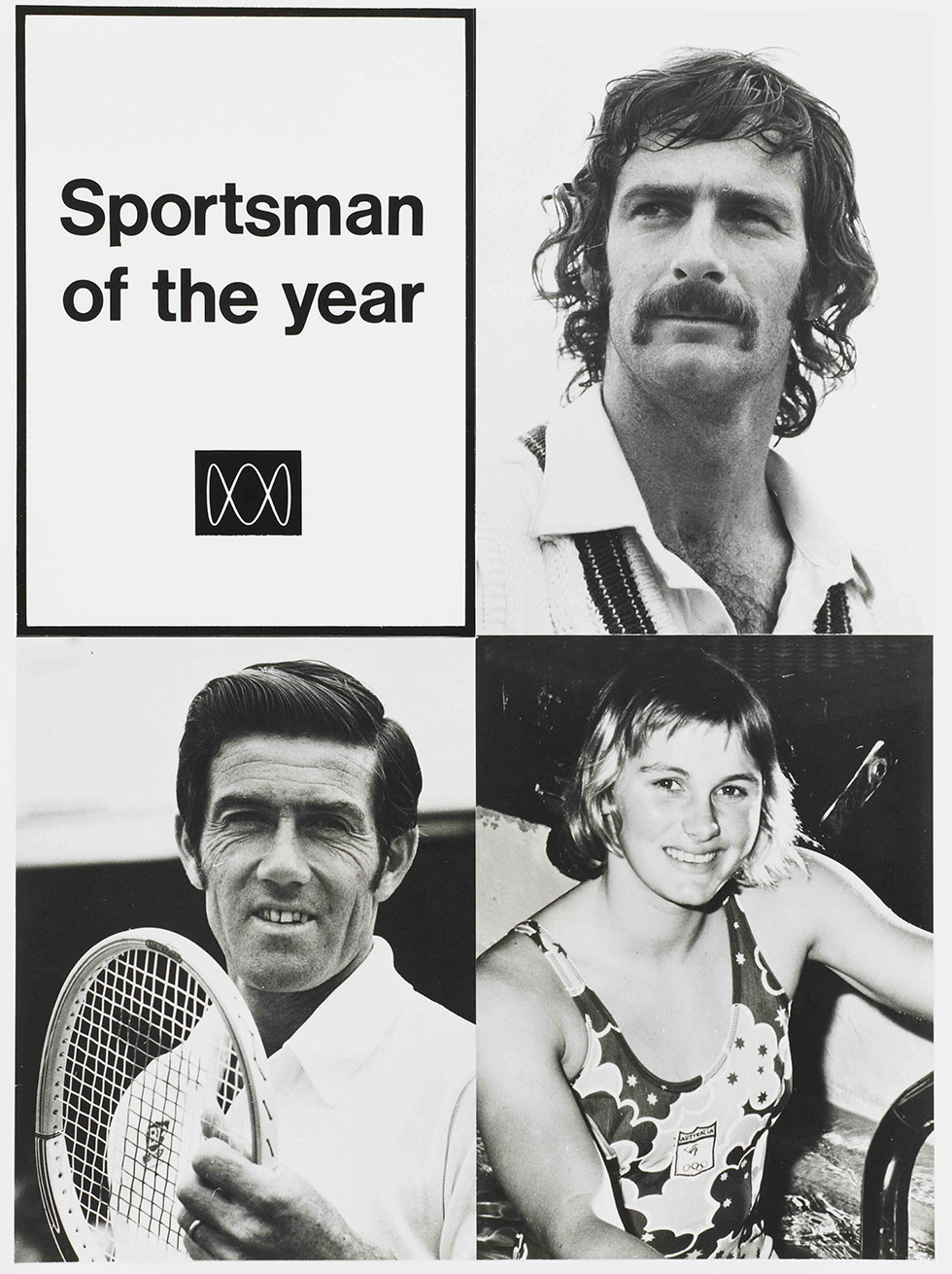
The awards were originally produced for a national radio audience then, when television was introduced from 1956, the show was telecast (although the states yet to implement television had to rely on radio adaptations of the award night). The first winner, announced at the end of 1951, was tennis player Frank Sedgman. In the 33 years that followed, recipients included:

  • Richie Benaud (cricket)
  • Raelene Boyle (athletics)
  • Jack Brabham (motor racing)
  • Jimmy Carruthers (boxing)
  • Margaret Court (tennis)
  • Bart Cummings (horse racing)
  • Betty Cuthbert (athletics)
  • Robert de Castella (athletics)
  • Dawn Fraser (swimming)
  • Marjorie Jackson (athletics)
  • John Landy (athletics)
  • Lionel Rose (boxing)
  • Tracey Wickham (swimming).

Refining the formula

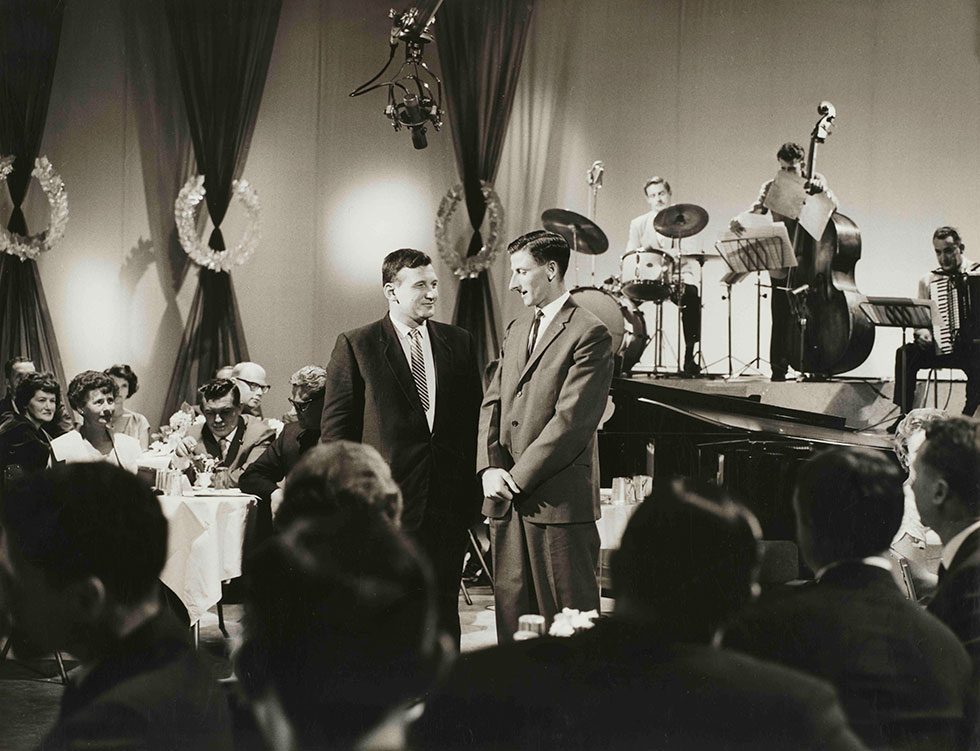
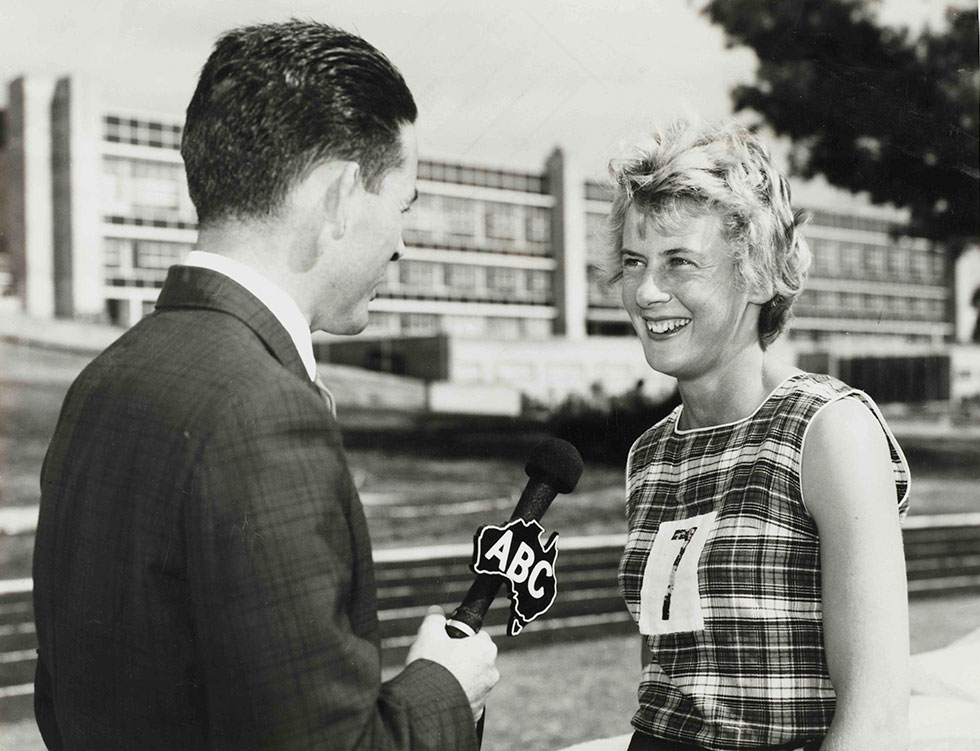
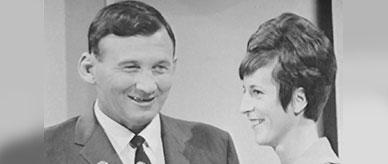
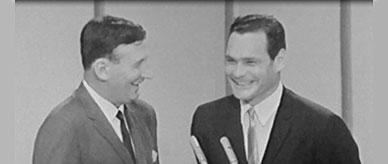
The award show's format gradually evolved. In the formative years of television, the event had a substantial light entertainment component, resulting in a sometimes confusing melding of sport and music, and hosts were chosen for their abilities as entertainers rather than their sports knowledge. (These shows were a far cry from the highly polished sports awards events we see today.) After a few years, however, the ABC struck the right tone. Producers focused solely on sport and brought in experts to host, such as the incomparable sporting commentator Norman May. He provided an insightful critical analysis, drawing out candid responses with his friendly yet knowledgeable banter, and became a key part of the show's success.

Through the post

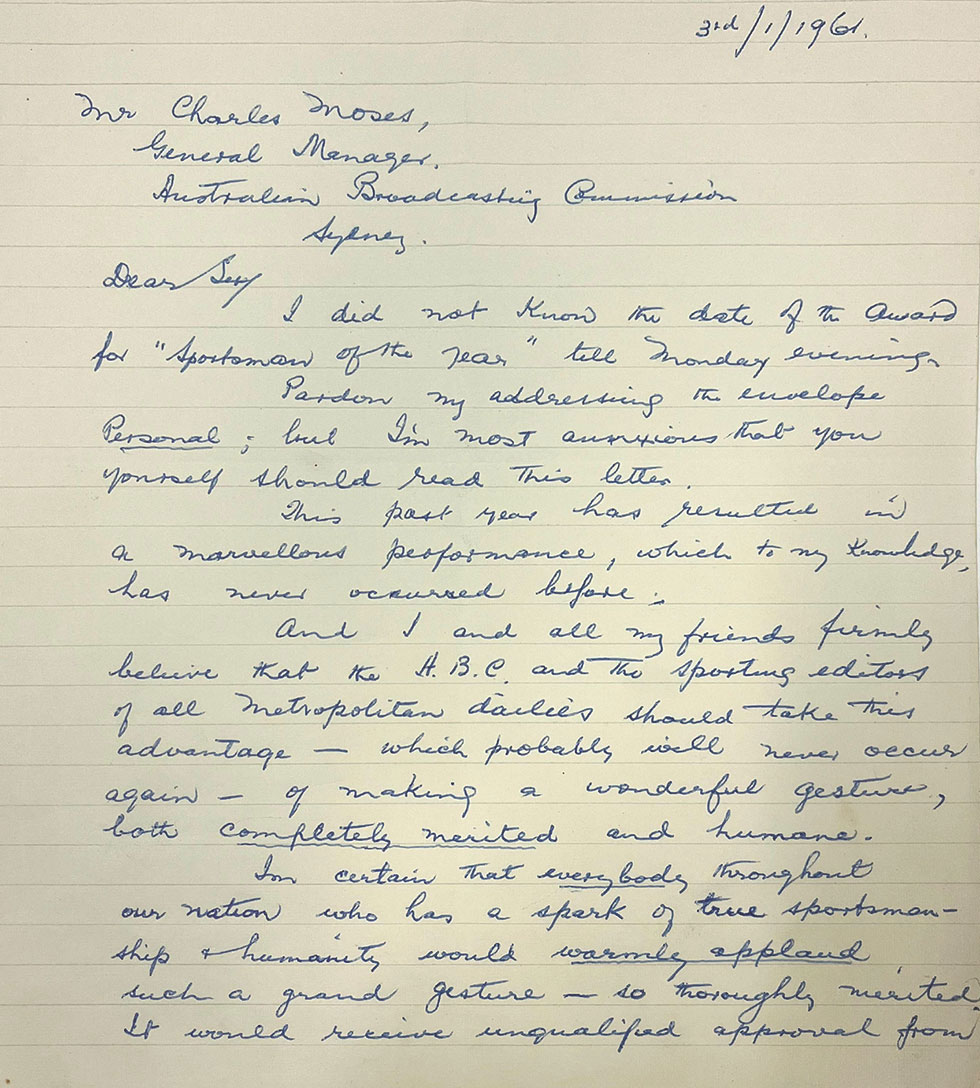
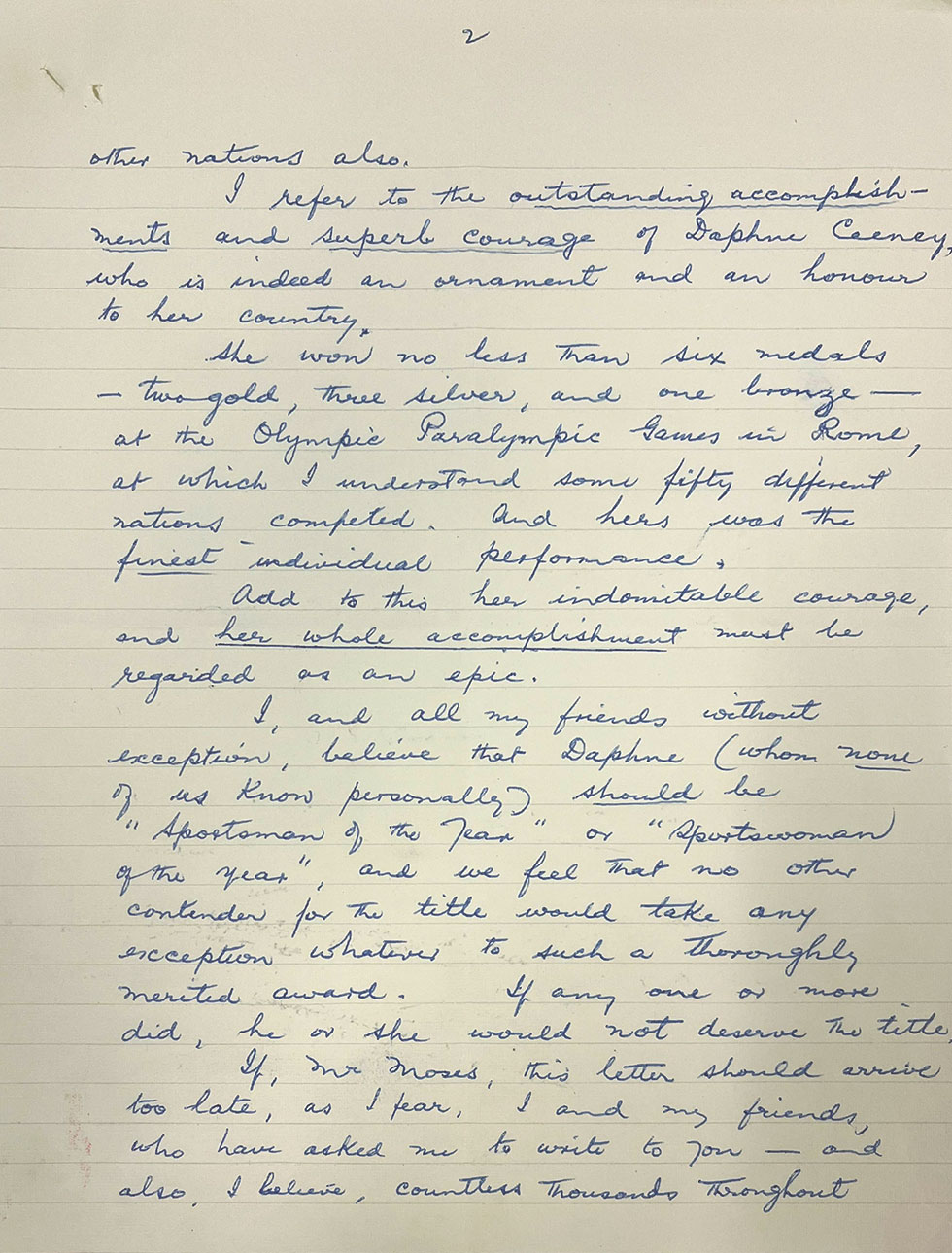
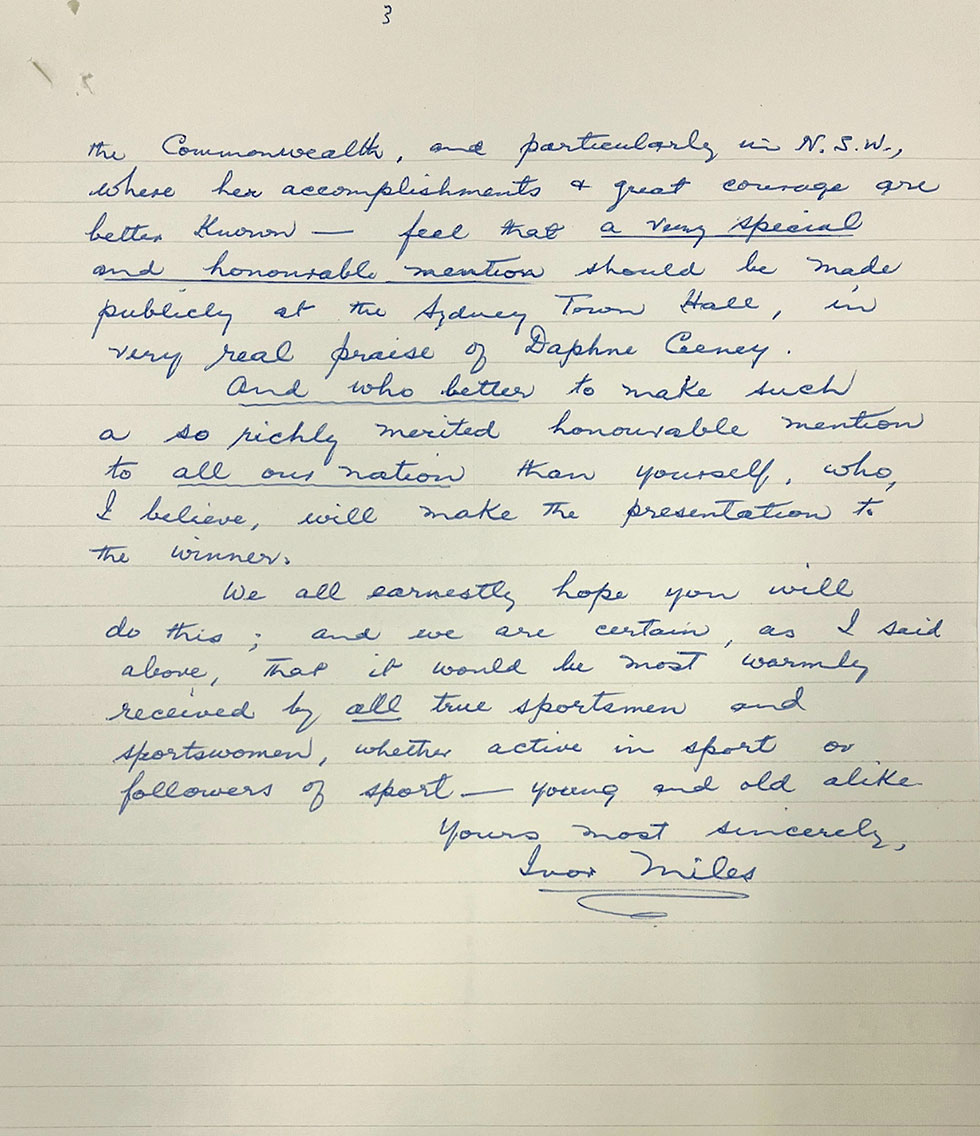
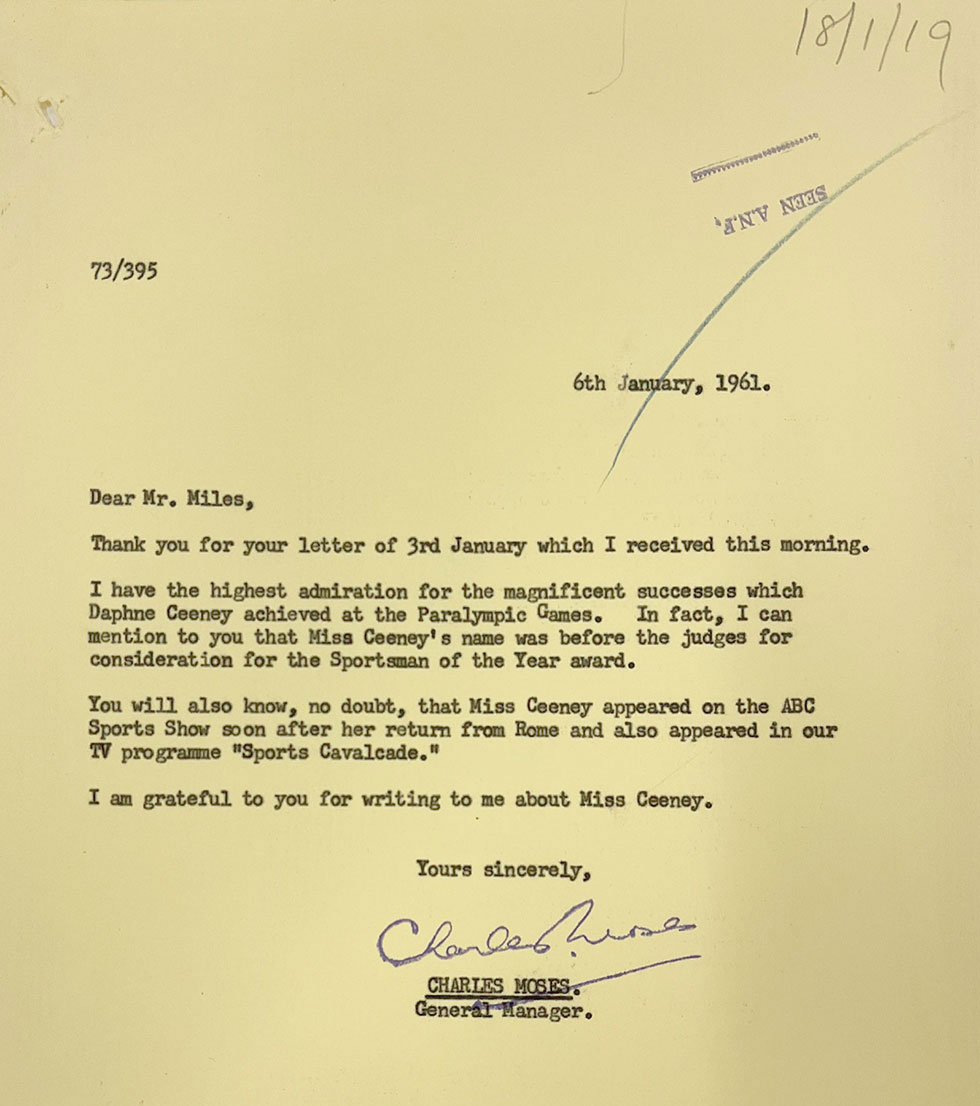
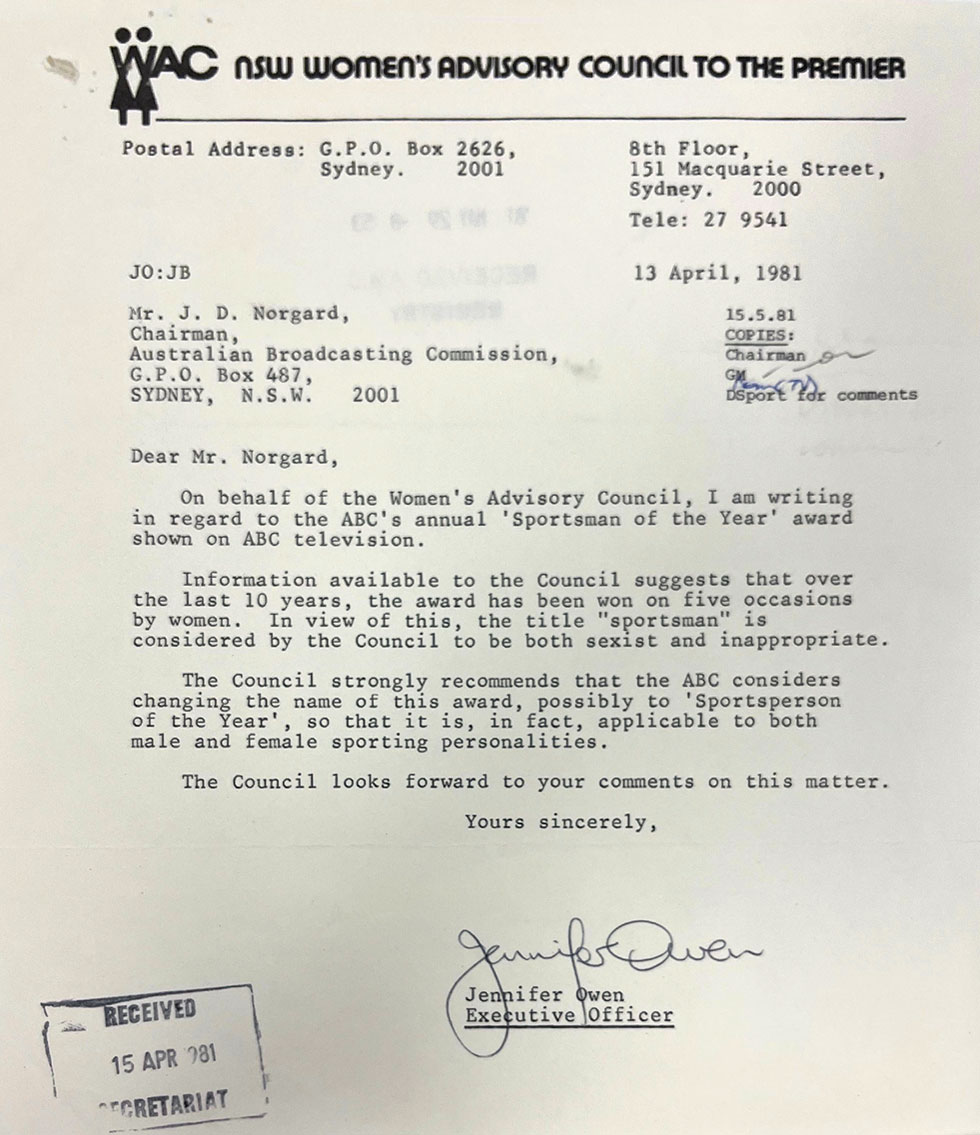
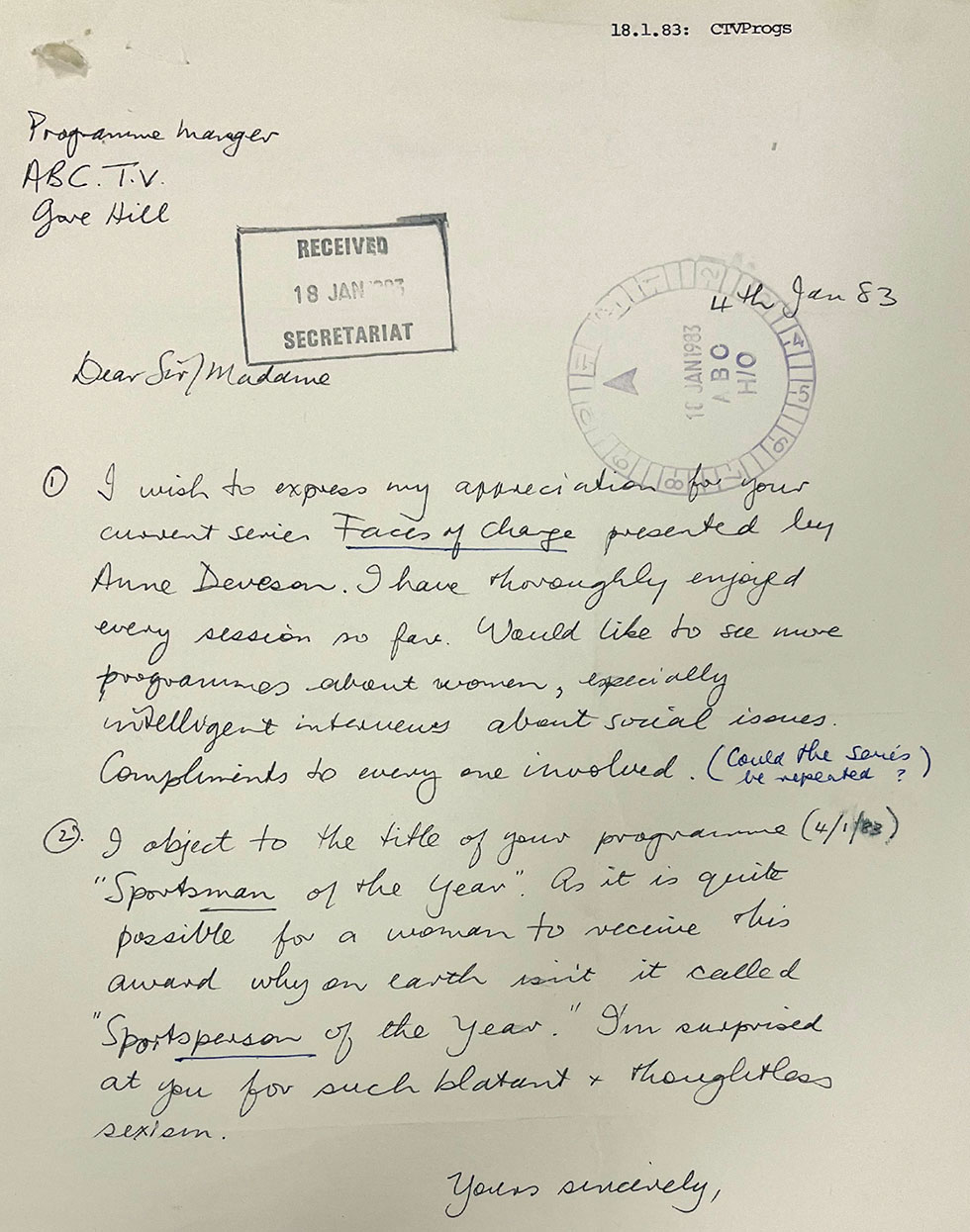
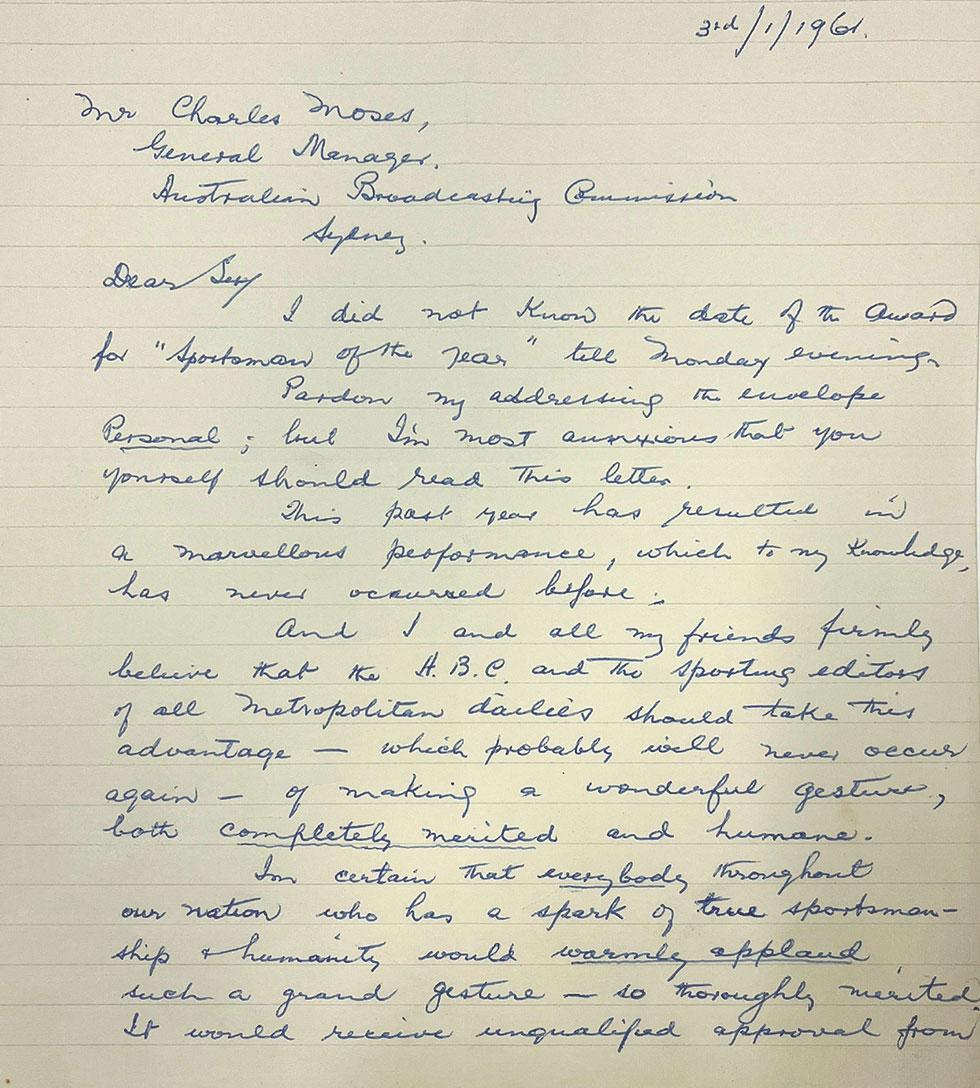
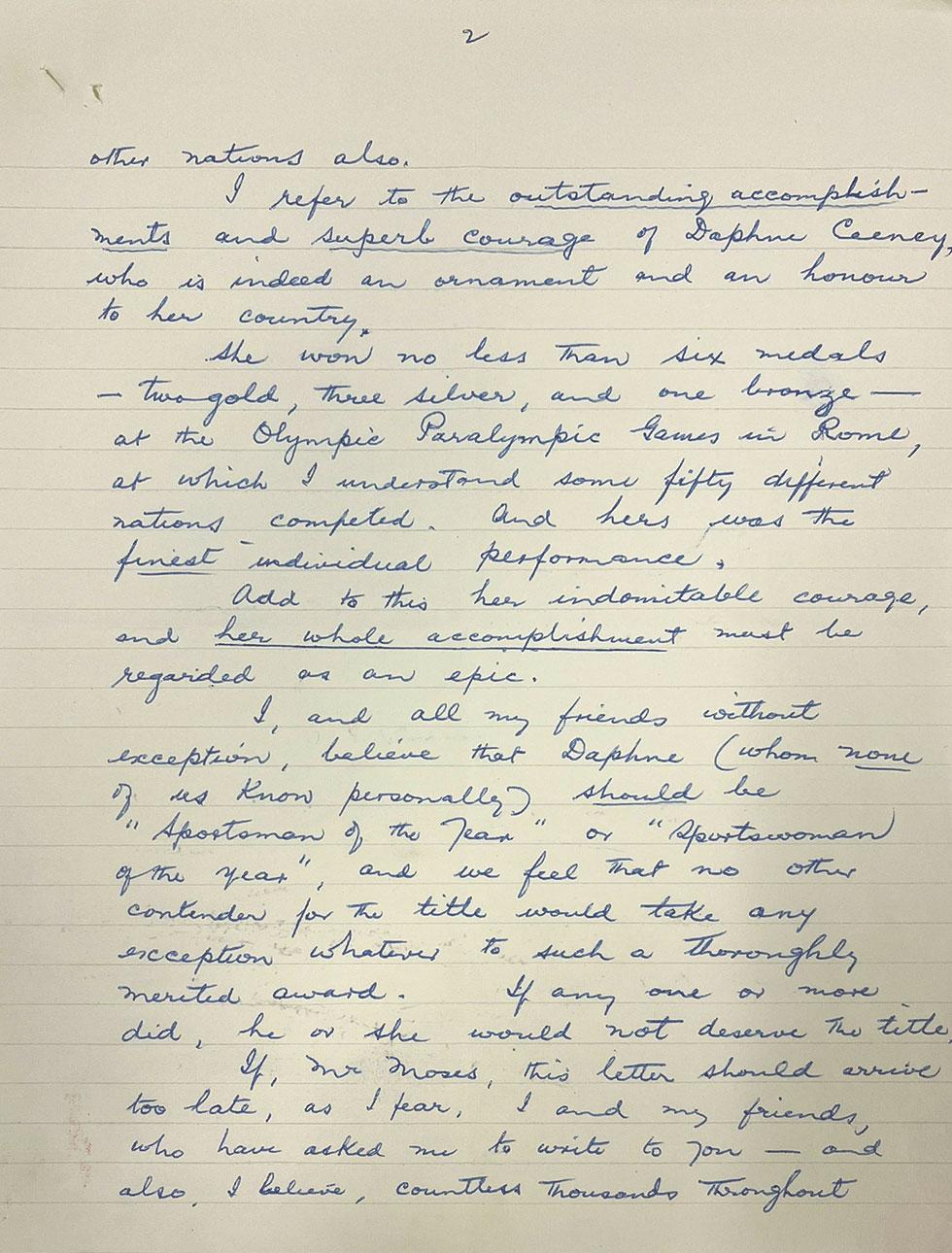
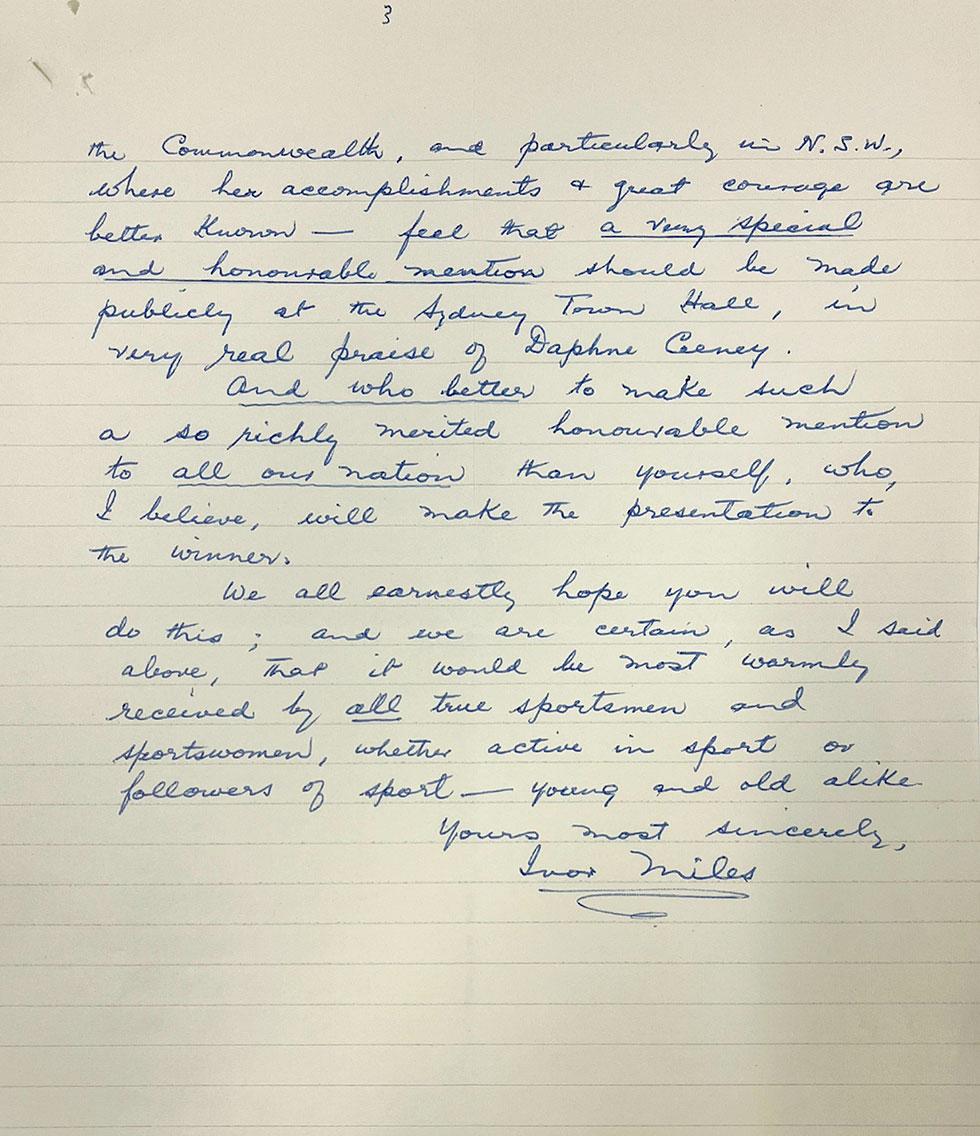
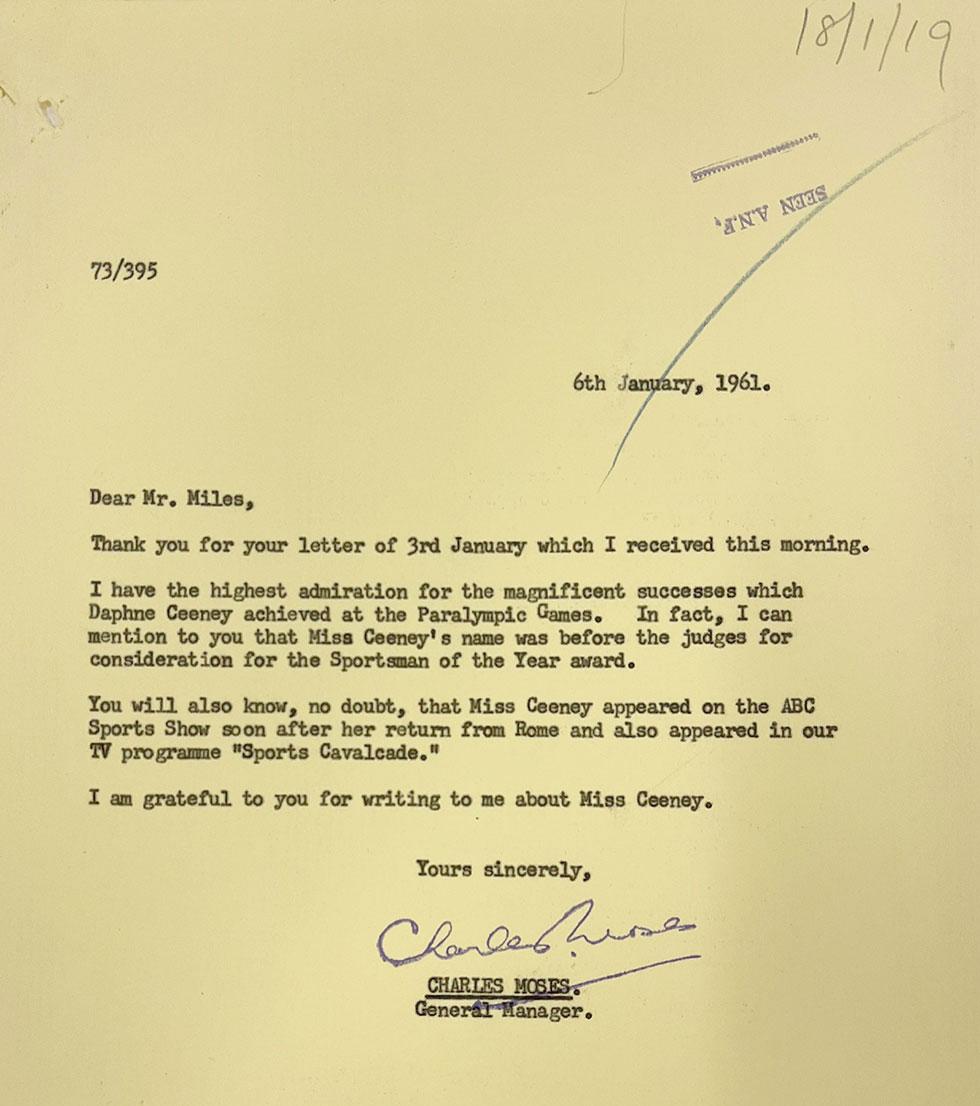
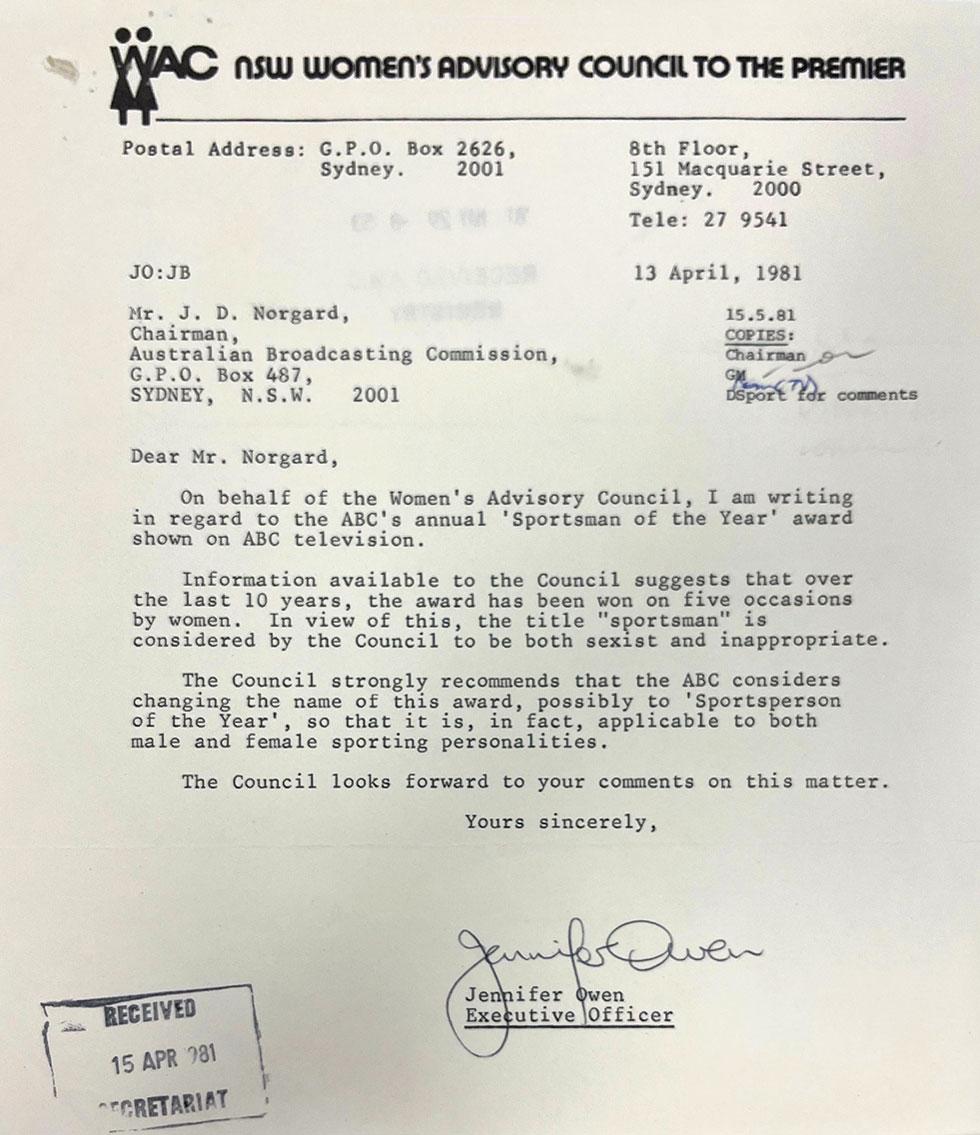
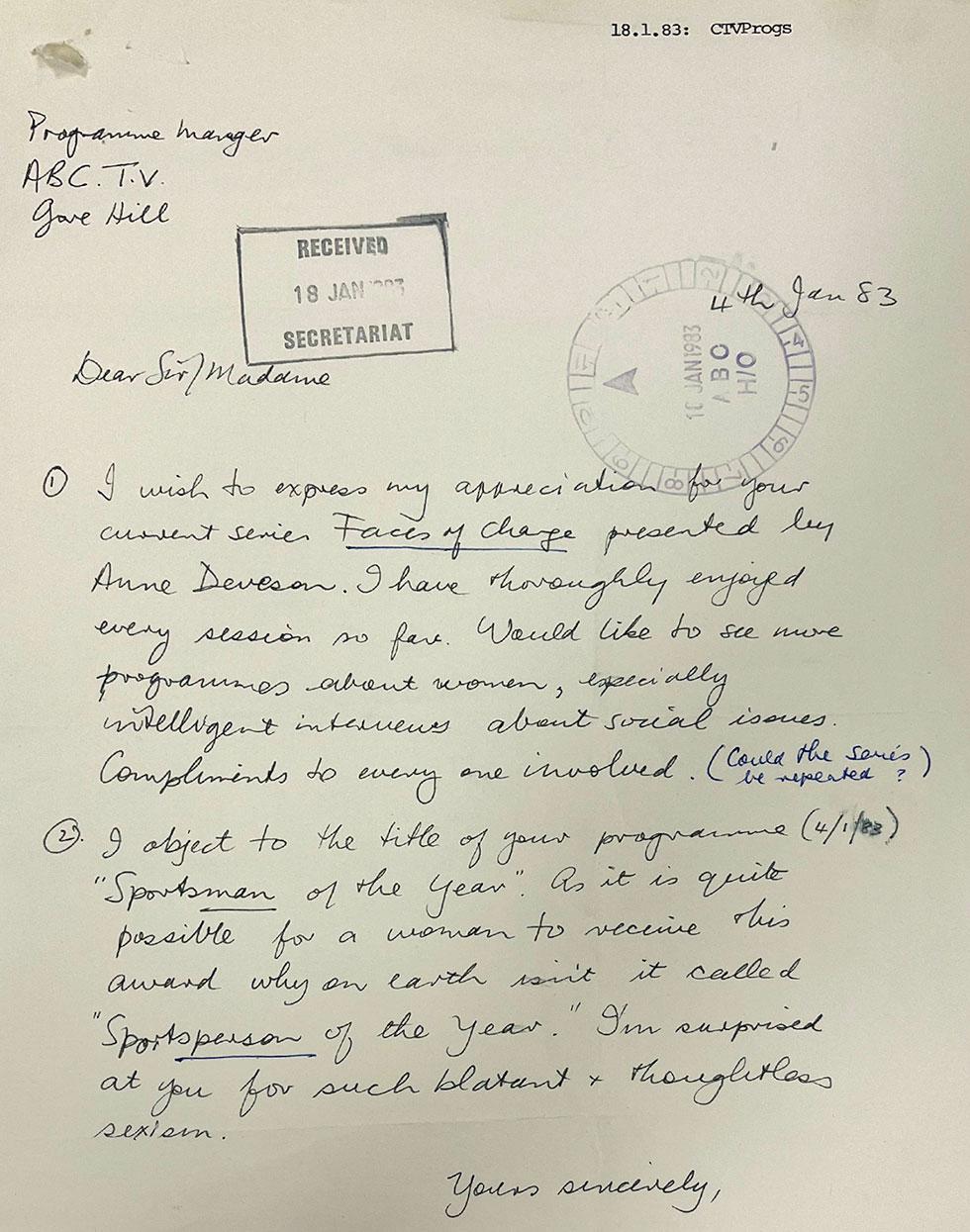
The ABC received many letters from listeners and then viewers commenting on the show itself and offering their opinions on the nominees and recipients. Some correspondents praised those they believed were not getting the recognition they deserved, such as the letter below encouraging the nomination of Paralympian Daphne Ceeney. Other letters complained about the sexism implicit in the 'Sportsman' title. It took some time to persuade traditionalists at the ABC, but the show's misnomer was finally changed after 1983. Despite the title, many women were, in fact, nominated over the 33 years, winning on 11 occasions.

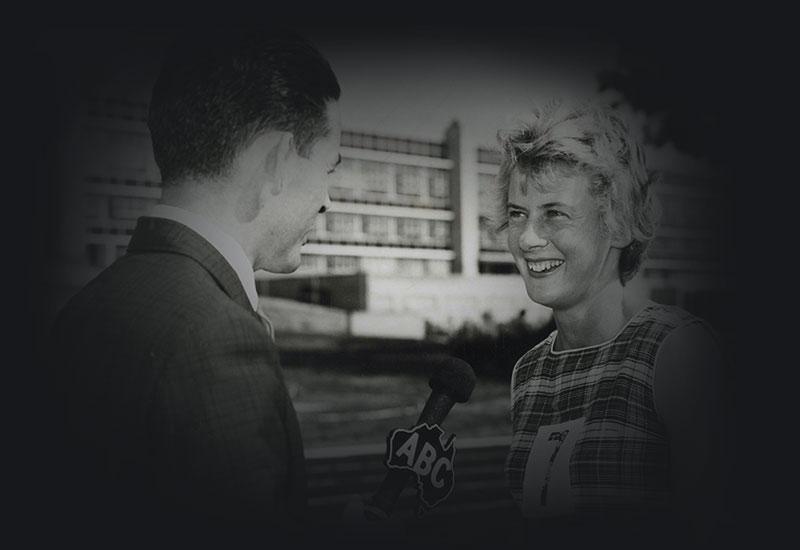
The ABC's audiovisual collection held by National Archives has captured some wonderful moments from these old broadcasts. As you will see in the footage below, the shows present rare and often charming insights into our sporting legends, many at the start of their careers. The collection is also valuable because it introduced Australia to more than just the winners. Nominees ranged from experienced competitors such as AFL player-coach Ron Barassi and Paralympian Vic Renalson to charismatic weightlifter Ray Rigby and novice pistol shooter Judy Trim. The 'Sportsman of the Year' shows are time capsules that have preserved Australian stories and characters who may have faded in our collective memory.

In conjunction with the Australian Research Council (ARC) Linkage project LP220200578: 'The ABC, its Archives, and its Audiences'.

Dr Kylie Andrews and Professor Bridget Griffen-Foley are academics in the School of Communication, Society and Culture at Macquarie University.